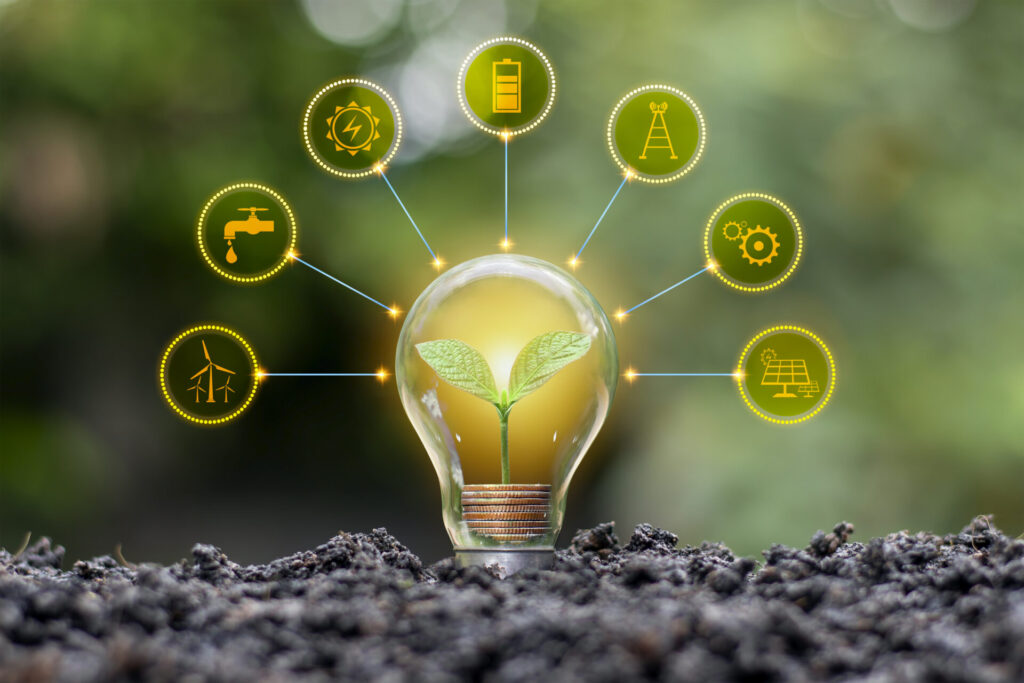
When discussing the different types of energy, it’s crucial to address their classifications into renewable and non-renewable sources and how they impact society, work formats, and people’s lives.
Explore the characteristics of each source, updated data on the Brazilian landscape, market trends, how the energy transition shapes the future of global consumption, and the role of modern solutions.
How does energy manifest?
Governed by Lavoisier’s Law, energy is neither created nor destroyed, only transformed. In physics and industry, this principle underpins the conversion of natural resources into useful electricity: whether in turbine rotation or battery chemical reactions, energy remains constant, changing its form to power technological and productive processes.
In the business sector, the focus on these transformations is energy efficiency. Since energy never disappears but can dissipate undesirably as heat, using high-performance equipment is essential to ensure that the maximum resource is effectively converted into work, optimizing the utilization of the Brazilian and global energy matrix.
Everyday examples illustrate this cycle: an electric shower converts electrical energy into thermal energy to heat water, while a car transforms the chemical energy of fuel into mechanical energy to generate movement. These constant conversions allow for the strategic use of different natural sources to sustain modern society.
What are the types of energy?
Different types of energy are categorized according to their origin and interaction with matter. In Brazil, the electrical matrix is diverse, with a significant contribution from hydroelectric power (44.8%), followed by solar (22%) and wind (10.9%). However, other types of energy like mechanical, thermal, chemical, and nuclear are also present.
Each type has specific applications and varying environmental impacts, directly influencing industrial operation costs. Data from the National System Operator indicate that diversification is the main strategy to maintain secure national supply and resilience.
Mechanical Energy
Mechanical energy is directly linked to the movement and position of objects. It is divided into kinetic energy, which is the energy of motion, and potential energy, related to gravitational or elastic force.
A practical example can be seen in the waterfall of hydroelectric plants, where potential energy transforms into kinetic energy to spin turbines. In industry, an example is the application in production lines and motors that move heavy machinery.
Thermal Energy
Thermal energy is associated with heat and the agitation of molecules in a body. In this concept, the greater the movement of particles, the higher the temperature and the accumulated thermal energy in the system.
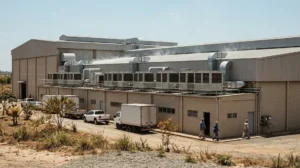
This type of energy is widely used in industrial furnaces, refrigeration systems, boilers, and drying processes that require constant heat. In everyday life, it manifests in heating environments and food preparation, being one of the most common forms of energy transfer.
In homes, this type of energy ensures thermal comfort through climate control and water heating systems. The use of thermal insulation technologies optimizes consumption, reducing operational costs and ensuring energy efficiency.
Electrical Energy
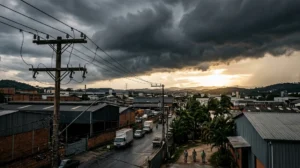
Electrical energy results from the movement of charges, usually electrons, through a conductor. It can be considered the foundation of modern society, as it is one of the most widely used worldwide, powering everything from small electronic devices and personal use to massive industrial parks and cities of various sizes and demand types.
Electrical energy is generated in plants from renewable or non-renewable sources. Data from the Energy Research Company (EPE) show that in Brazil, 99.8% of households have access to electrical energy.
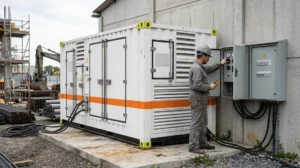
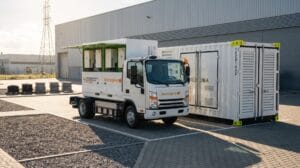
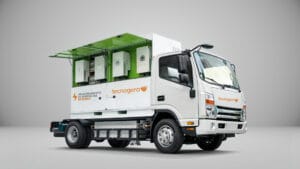
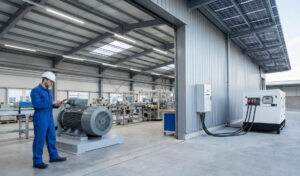
Even so, the concept of distributed generation is gaining traction, allowing consumers to generate their own electricity. To ensure this energy is always available, solutions like those offered by power generators are becoming a solid alternative for those seeking energy security for their operations.
Chemical Energy
Chemical energy is a type of energy stored in the bonds between atoms and molecules and released through reactions, such as combustion or oxidation. It is present in fossil fuels, various types of batteries, and even some foods we consume.
In nature, photosynthesis is the process that converts light energy into chemical energy, sustaining plant life. For companies, understanding the potential of chemical storage in batteries is a differentiator for energy autonomy.
Nuclear Energy
Nuclear energy is generated by the fission of atomic nuclei, primarily uranium, releasing intense heat that drives turbines for large-scale electricity production. In Brazil, it is projected that this source will represent 0.8% of installed capacity by the end of 2025, standing out as a low-emission alternative.
The operation of plants uses multiple physical barriers and strict systems to prevent radioactive leaks. The biggest challenge lies in waste management (nuclear waste), which is classified according to its activity level and risk. Therefore, this modality requires extremely strict safety protocols for handling and storing these materials.
Although accidents are rare, historical events like Chernobyl (1986) and Fukushima (2011) highlight the potential for profound and lasting radiation impacts. Thus, nuclear energy remains a strategic source that balances high energy productivity with the need for constant technological vigilance.
Solar Energy
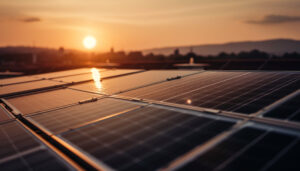
Solar energy harnesses the sun’s radiation to generate electricity or heat, establishing itself as the second-largest source in Brazil’s electrical matrix, with a 22% share. Its expansion in homes and industries is driven by sustainability and operational cost reduction, although it faces the challenge of intermittency, requiring storage systems or complementary sources to ensure continuous supply.
Solar energy has two distinct capture methods: photovoltaic and thermal.
Photovoltaic
This method involves the direct conversion of sunlight into electricity. When photons (light particles) hit the silicon cells in the panel, they create a flow of electrons, generating direct current.
To be used in homes, commercial establishments, or companies, this energy needs to pass through a device called an inverter, which converts it into alternating current.
Thermal
There is no electricity generation, but rather heat production using collectors that absorb solar radiation to heat water or fluid circulating inside them.
The efficiency of these systems in Brazil is favored by the high solar incidence across the territory. While photovoltaic technology focuses on energy autonomy, thermal stands out for its minimal environmental impact and direct savings. The development of more efficient batteries is crucial to mitigate climate dependency and nighttime periods, optimizing the use of this strategic source.
To ensure large-scale viability, technological integration seeks to balance abundant daytime supply with society’s constant demand. Thus, solar energy becomes not just a sustainable alternative but a fundamental pillar of modern energy security and efficiency, both in Brazil and worldwide.
Wind Energy
Wind energy converts the kinetic energy of winds into electricity through wind turbines. The movement of the blades activates an internal generator, enabling large-scale production in wind farms installed both onshore and offshore. This technology is a cornerstone of the energy transition, offering a sustainable, inexhaustible, and greenhouse gas emission-free alternative.
In Brazil, the Northeast region stands out for the intensity and consistency of its winds, with states like Rio Grande do Norte and Bahia leading national production. Due to these favorable conditions, wind power is expected to reach 13.6% of installed capacity in the Brazilian electrical matrix by 2025. This performance consolidates the strategic importance of wind for the country’s energy security and diversification.
Despite environmental advantages, such as not consuming water, the sector faces challenges like generation intermittency and sound and visual impacts. Additionally, the installation of parks requires rigorous planning to protect migratory bird routes and ensure the well-being of local communities. Thus, the source’s efficiency depends on balancing technological advancement with mitigating its socio-environmental impacts.
Other Forms of Energy
There are alternative sources like geothermal (earth’s heat) and tidal (tides). Although less common in Brazil, these technologies represent the future of diversification in locations with specific geological characteristics.
Green hydrogen also emerges as a promise for decarbonization, acting as a clean fuel. Ongoing research aims to make these methods more accessible and efficient for the global market.
Classification of Energy Types
The classification divides energy into renewable and non-renewable sources, directly impacting sustainability goals. This distinction is crucial for companies seeking to reduce their carbon footprint and optimize costs.
As the world seeks a transition to clean sources, the balance between availability and environmental impact defines governmental strategies. Brazil stands out globally for having one of the most renewable matrices on the planet.
Renewable Energy Sources
Renewable sources use resources that regenerate naturally in the short term, such as sun, wind, and water. They are the foundation of the low-carbon economy and essential for mitigating global climate change.
Besides being sustainable, these sources promote energy independence and the creation of technological jobs. Sources like biomass demonstrate how organic waste can be transformed into wealth and firm energy.
Non-Renewable Energy Sources
Non-renewable sources are those with finite reserves, such as oil, coal, and natural gas. Although still the most used worldwide due to their high energy density, they cause greater negative environmental impacts.
The current challenge is to make a gradual transition, reducing dependency on these fuels without compromising system security. Conscious use and the search for filtering technologies aim to minimize the damage caused by burning these resources.
Brazilian Energy Matrix
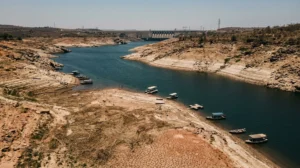
Brazil boasts an enviable energy profile, with a strong predominance of clean and renewable sources. The hydroelectric remains the central pillar, but the exponential growth of wind and solar brings new horizons to the sector and shows that diversification is key to facing drought periods.
Investing in a diverse matrix ensures the country maintains its industrial competitiveness and supply security.
Sustainable Energy: Environmental Impact and Conscious Choices
Choosing an energy source should consider environmental impact and consumption efficiency. Intelligent management practices and the use of high-tech equipment allow companies to operate with less waste and costs.
Adopting sustainable sources is not just an ethical decision but a business strategy to attract investments. Tecnogera, a national leader in temporary energy solutions, operates in this scenario by offering solutions that complement renewable projects, ensuring operational stability and security for clients of various profiles.
In systems where solar or wind energy intermittency is a risk factor, modern generators act as a backup. Having a contingency plan is a measure of energy security to maintain productivity without interruptions.