

The energy transition is a strategic and necessary movement to ensure sustainable development and energy security for future generations.
More than just adopting new energy sources, it’s about creating a solid bridge between the present and the future – balancing economic, social, and environmental interests.
In Brazil, the demand for reliable energy is growing rapidly, while extreme weather events, aging infrastructure, and supply fluctuations threaten the stability of the entire system. For thousands of families, businesses, and strategic sectors, energy is synonymous with development, productivity, and well-being.
In this scenario, hybrid systems stand out as a robust and flexible solution, combining different sources – such as solar energy, batteries, and thermal generators (Diesel or gas) – to ensure continuity, efficiency, and lower environmental impact.
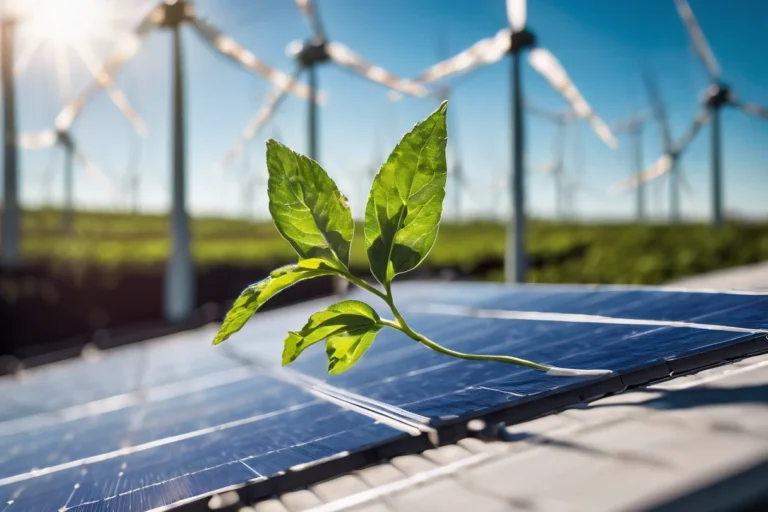
Sector challenges and the importance of hybrid systems
1
Increased frequency of "blackouts" and power outages affecting production, logistics, and essential services.
2
Rapid growth of renewable sources (solar and wind) has brought new challenges, such as intermittency and the need to balance generation and consumption.
3
The so-called "curtailments" (generation cuts) are already causing billion-dollar losses, highlighting the need for technical stabilization and storage solutions.
4
Quality and energy availability indicators (DEC and FEC) show deterioration above 80% in recent years, directly impacting businesses and communities.
Why invest in hybrid power systems?

Batteries
Store solar energy for smart use, reducing consumption peaks and operational costs.

Thermal power generators
Ensure continuous and secure supply, especially in critical situations or peak demand times.

Smart management
Automated integration that always prioritizes the most efficient and sustainable use.

Economy and ecology
Optimized investment: reduced CAPEX and carbon emissions.
Our team of experts is ready to assist you.

