The Brazilian energy matrix is recognized as one of the cleanest on the planet, presenting a percentage of renewables that fluctuates between 47% and 50%, far exceeding the world average of approximately 15%.
Brazil leads the sustainable transition in the G20 with low carbon intensity.
The diversification of sources ensures security for the industry and various sectors of the Brazilian economy.
The advancement of solar and wind energy consolidates the country as a destination for green investments.
The energy matrix of Brazil is the set of all resources available to move vehicles, industrial processes, and generate electricity. Its composition combines renewable sources, such as biomass and energy hydraulic, with non-renewable, such as oil and natural gas.
The current scenario highlights the diversity of sources as a basis for national energy security and reduces dependence on a single energy source.
This characteristic favors investments in more sustainable solutions and reinforces the country’s strategic role in the transition to a low-carbon global economy.
What is an energy matrix?
The concept of energy matrix represents the sum of all energy resources used in a country to meet the final energy demand. It encompasses total consumption in sectors such as transportation, industry, households, and commercial services.
It is important to differentiate the matrix from energy resources.
The resources primary are those found in nature, such as oil, natural gas, and biomass, while secondary are obtained from the transformation of these sources.
The matrix considers the different sources and forms of energy used in the country, from oil extraction to the production and consumption of fuels and electricity.
How does the energy matrix work?
The energy matrix functions as an integrated system which begins with the generation of energy from primary sources. These sources, such as oil, water, wind, and sun, are transformed into usable and useful energy for consumption, such as fuels or electricity.
After generation, the energy needs to be transported to the final consumers. Distribution occurs through complex networks, such as electrical transmission lines, pipelines, and road networks for fuel transportation, ensuring that energy reaches where it is needed in a safe and consistent manner.
Finally, energy is used in various activities, such as in the transportation of people and goods, industrial processes, climate control of environments, and residential lighting. The balance between generation, distribution, and use is fundamental for the safety and efficiency of the energy system.
Components of the Energy Matrix
The components of the energy matrix are divided into two major groups: renewable and non-renewable sources.
The non-renewable sources are those that deplete in nature, such as fossil fuels, which include:
- oil;
- coal;
- natural gas.
The renewable sources, in turn, are resources that regenerate naturally in a short period of time. Among the main examples are:
- hydraulic energy (river water);
- solar (sunlight);
- wind (wind);
- biomass (organic matter, such as sugarcane bagasse).
The diversity of these components defines the profile of an energy matrix, influencing its sustainability, security, and cost.
A diversified matrix is more resilient to crises and price variations, ensuring the continuous supply of energy to all sectors.
What is the difference between energy matrix and electricity matrix?
Although they seem like similar terms, the energy matrix and the electricity matrix have distinct scopes of operation and measurement. The former focuses on all the energy consumed in the country, while the latter focuses exclusively on electricity generation.
| Scope | Included Sources | Usage Example |
| Energy Matrix | Oil, Biomass, Gas, Hydraulics, Solar | Diesel for trucks and industrial firewood |
| Electricity Matrix | Hydroelectric, Wind, Solar, Thermal | Residential lighting and electric motors |
What are the main energy sources in Brazil today?
The energy matrix of a country as Brazil is marked by plurality and technological advancement of alternative sources.
Currently, the resources that sustain the Brazilian economy and ensure the domestic energy supply are:
- Oil and derivatives: fundamental for logistics and the heavy transport sector.
- Sugarcane derivatives: ethanol and biomass lead the replacement of fossils.
- Solar energy: the fastest-growing source in 2025, driven by distributed generation.
- Wind energy: onshore parks and the start of offshore installations in 2026.
- Hydraulic: historical base of the electrical system, acting as a strategic power reserve.
Composition of the Brazilian energy matrix in 2026
The data from the National Energy Balance (BEN) indicate that the Brazilian composition maintains oil as the leader (34%), followed by sugarcane biomass (19%). Total renewable participation reaches record levels with the advancement of biomethane.
The transportation sector is undergoing a rapid transition, where biomass and biogas are gaining ground in commercial fleets. This setup reduces the national carbon footprint and strengthens independence from international oil market fluctuations.
Renewable energy sources in Brazil
The Brazilian and global energy matrix are distinguished by the high presence of clean resources in the national territory. In 2026, the consolidation of offshore wind and solar microgeneration is expected to increase system efficiency.
- Hydraulic: responsible for providing stable energy with low operational cost.
- Biomass: utilizes agricultural waste to generate heat and electricity consistently.
- Wind: rapid expansion in coastal regions with high generation yield.
- Solar: reached historic installation levels on industrial and commercial rooftops.
- Charcoal and firewood: essential for steelmaking processes and sustainable rural heating.
Non-renewable energy sources in Brazil
Despite the green profile, non-renewable sources are necessary components for system security. They act as strategic backup, especially during periods of low production from intermittent sources like sun and wind.
- Oil and derivatives: remain predominant due to the dependence on road transport for cargo.
- Natural gas: used as a thermal “insurance” to prevent blackouts during prolonged droughts.
- Mineral coal: restricted application to specific industries that demand high calorific power.
- Uranium: nuclear energy contributes with a firm and emission-free base.
What is the importance of Brazil’s energy matrix in 2026?
The importance of the energy configuration directly reflects on the competitiveness of the Free Energy Market. In 2026, this environment is accessible to almost all levels of commercial consumption, allowing the choice of clean suppliers.
A diversified matrix reduces the risks of supply shortages and protects the economy against severe water crises. This creates an environment of price stability, essential for the long-term planning of national industries.
World energy matrix in 2026: the gap for Brazil
The world energy matrixstill faces the challenge of moving away from coal and oil, which dominate global consumption. While the world seeks decarbonization, Brazil already operates from a position of competitive advantage.
This technological gap allows the country to export sustainability solutions and attract industries seeking green energy. The global effort to reduce emissions positions Brazil as an essential partner in the new economy.
What is the difference between the Brazilian and global energy matrix?
Brazil has the greenest energy in the G20 – a group created in 1999, formed by finance ministers and leaders of the central banks of the 19 largest economies in the world plus the African Union and European Union – presenting a carbon intensity significantly lower than the global average. The table below summarizes the main distinctions between the national profile and the international scenario.
| Criterion | Brazil | World Average |
| Renewability | Approximately 48% | Approximately 15% |
| Coal Dependency | Very low | Very high in countries like China/USA |
| Emissions Profile | Low GHG intensity | High fossil intensity |
Particularities and highlights of the national electricity matrix
The Brazilian electricity matrix is the major highlight of our infrastructure, being composed of more than 85% clean sources. This characteristic places Brazil in the spotlight in the global carbon credits and environmental certifications market.
- Electricity cleanliness: very low use of coal-fired power plants compared to Europe.
- System flexibility: ability to integrate intermittent sources through hydroelectric reservoirs.
- Competitive advantage: facilitates the attraction of data centers and energy-intensive industries.
Evolution of the Brazilian energy matrix in the last 10 years
In the last ten years, Brazil has seen an exponential growth of wind and solar sources, diversifying its base. This change was a strategic response to reduce total dependence on large hydroelectric plants after successive water crises.
The evolution allowed the system to become more resilient and less vulnerable to seasonal climate variations. Today, the country has a more geographically distributed generation park, which increases the efficiency of national transmission.
Challenges and opportunities for Brazil’s energy matrix
One of the main current challenges is dealing with the variability of renewable generation. As these sources gain participation in the electricity matrix, it becomes more important to ensure the stability and inertia of the system, maintaining the balance between electricity generation and consumption.
Paths to a more sustainable energy matrix: Net Zero by 2050
The concept of Net Zero involves the balance between gas emissions and their removal from the atmosphere by 2050. In 2026, Brazil is expected to advance with the regulated carbon market, encouraging cleaner industrial practices.
Public policies now focus on modernizing infrastructure and promoting new CO2 capture technologies. This path ensures that economic development occurs in full harmony with global environmental commitments.
Sustainability and the role of energy transition
The Brazilian matrix is the pillar for meeting the goals of the Paris Agreement, reducing emissions per capita. The energy transition in the country focuses on electrifying processes and the smart use of advanced biofuels.
This stance reinforces the national commitment to combating global warming while maintaining industrial productivity. Sustainability has ceased to be just a concept to become a differential in the international market.
Trends and projections for Brazil’s energy matrix by 2030
The projections of the Ten-Year Energy Expansion Plan (PDE 2034) indicate that Brazil will become a major energy exporter via green hydrogen. The expansion of offshore plants and the electrification of the urban fleet are irreversible trends for the next decade.
The increase in energy efficiency and the decentralization of generation will allow consumers to have more autonomy. The future points to an intelligent, digitized system with emissions increasingly close to zero.
How does Tecnogera support the Brazilian energy sector?
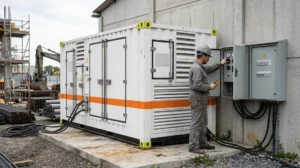
Tecnogera is a key partner for companies seeking energy security and sustainability in a transition scenario. With the rental of modern generators, we ensure that industries of various sizes and segments, retail companies, and events operate without interruptions due to network instability.
We offer hybrid solutions, combining generators with batteries, ideal for projects that demand less impact and noise reduction.
Our highly specialized technical support ensures that your operation maintains business continuity with maximum efficiency and technology.
Ensure maximum energy stability with Tecnogera
Keep your productivity protected against market fluctuations and failures in traditional power supply.
Tecnogera, a national company with 20 years of market experience and extensive expertise in projects of varying levels of criticality, offers the latest in temporary power systems and high-performance equipment rental.
Contact our specialists.
Frequently asked questions about Brazil’s energy matrix
Is Brazil’s energy matrix 100% renewable?
No, Brazil’s energy matrix has about 48% renewable sources, as it still relies on oil for transportation. However, the electrical matrix is much cleaner, exceeding 85%.
Is it true that Brazil’s energy matrix is cleaner than the world average?
Yes, Brazil’s matrix is considered one of the cleanest in the world, with a share of sustainable sources three times higher than the global average of other industrialized countries.
How to expand solar and wind energy in Brazil?
The expansion occurs through government incentives, new transmission auctions, and the growth of distributed generation, where companies install their own systems to reduce costs and carbon emissions.
What is the environmental impact of a country’s reliance on oil in its energy matrix?
Excessive dependence generates high emissions of greenhouse gases, accelerates climate change, and leaves the economy vulnerable to market price fluctuations of international fossil commodities.
What is the difference between the energy matrix of Brazil, China, and the USA?
While Brazil focuses on hydroelectric and biomass energy, China and the United States still have a strong dependence on coal and natural gas, resulting in a much higher carbon footprint than Brazil’s.