Asset electrification is evolving from a trend to a practical response to new demands for efficiency, sustainability, and competitiveness. In a global landscape driven by decarbonization pressure, noise reduction, increased productivity, and smart energy use, companies in sectors like construction, events, and industry are beginning to rethink how they operate their equipment.
What is Asset Electrification?
Asset electrification involves replacing or adapting equipment previously powered solely by fossil fuels with electric, hybrid, or battery-powered solutions. In practice, this ranges from aerial work platforms to storage systems like BESS, enabling smarter energy capture and use.
This shift is more than just swapping out an engine. It changes operational logic, reduces emissions, enhances field experience, and increases energy use predictability. For companies handling critical operations, electrification also helps cut costs and boost process reliability.
Why Electrification is Advancing Globally
Asset electrification is gaining momentum because it addresses real-world issues. In major urban centers and environmentally restricted sites, there’s a need to reduce noise and air pollution. In industrial operations and events, the focus is on greater energy efficiency and operational continuity. For projects with ESG goals, electrification offers a tangible solution to reduce environmental impact without sacrificing performance.
Another key factor is the technological advancement of lithium batteries and storage systems. Today, more compact, safe, and durable solutions make it feasible to operate equipment for longer periods, with faster recharging and better energy utilization. This makes electrification more accessible and scalable across various sectors.
Lithium Batteries and Operational Mobility
Lithium batteries play a central role in this future. They offer high energy density, faster charging, longer lifespan, and better performance in applications requiring mobility and autonomy. In aerial work equipment, for instance, lithium batteries enhance productivity and reduce operational costs over time.
This is especially relevant for aerial platforms, which need to combine safety, autonomy, and availability. With lithium batteries, these machines can operate with fewer interruptions, less maintenance, and reduced reliance on fossil fuels. In indoor environments, warehouses, and emission-restricted areas, this feature becomes even more strategic.
Aerial Platforms and BESS
Among the equipment most benefited by asset electrification are aerial platforms and BESS systems.
Aerial Platforms with Lithium Batteries
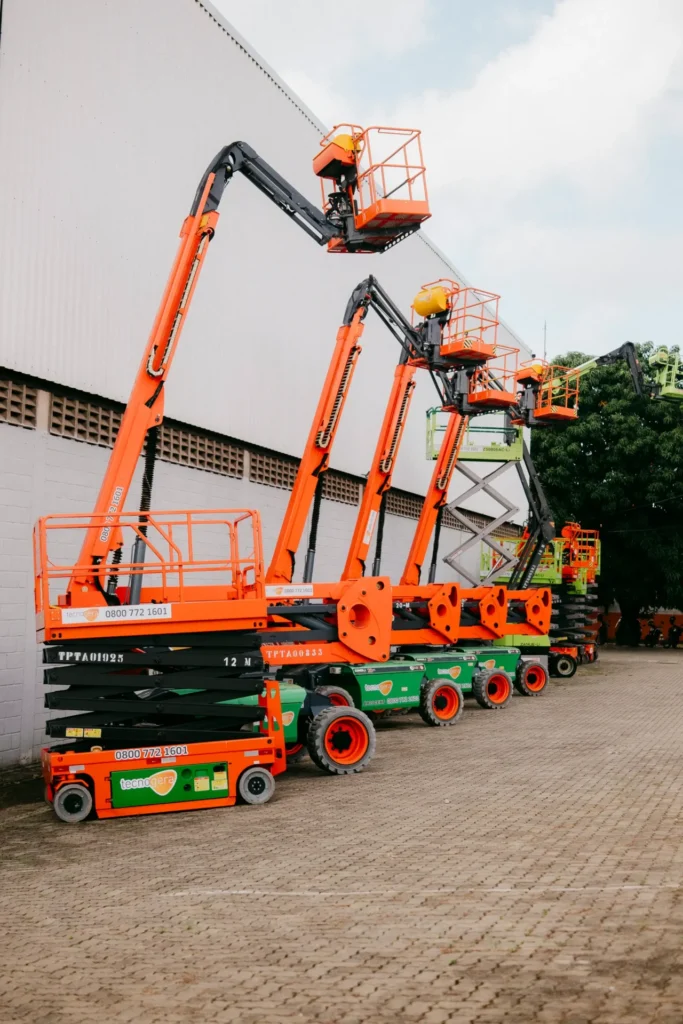
Aerial platforms powered by lithium batteries are increasingly used in construction, building maintenance, logistics, and industry. They deliver performance with less environmental impact, facilitating operations in indoor areas and locations with noise and emission restrictions.
BESS for Smart Energy
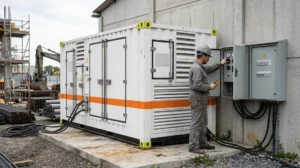
BESS, or Battery Energy Storage System, allows energy storage for later use and supports operations with greater stability. This type of solution is valuable during demand peaks, temporary events, remote construction sites, and industrial operations that cannot risk interruptions. Additionally, the reuse of lithium-ion batteries reinforces the circular economy logic.
Electrification in Construction, Events, and Industry
In construction, electrification helps reduce noise, emissions, and logistical complexity. This improves coexistence with urban areas, expands the possibility of operating in sensitive shifts, and contributes to more organized sites.
In events, clean and temporary energy becomes crucial as audiences demand more comfort, less impact, and greater reliability. In large structures, energy availability must keep pace with the operation without failures.
In industry, asset electrification promotes safer, more predictable environments aligned with productivity goals. The integration of electric, hybrid equipment, and BESS systems allows for better consumption planning, waste reduction, and increased operational resilience.
What to Expect in the Future
The future of asset electrification will be marked by the integration of technology, sustainability, and efficiency. The trend is for more equipment to operate with lithium batteries, hybrid solutions, and storage systems capable of supporting various operational fronts with autonomy and energy intelligence.
We’ll also see increased use in temporary operations and locations where traditional electrical infrastructure is insufficient. This includes large construction projects, major events, industries, logistics centers, and special projects. Electrification is set to establish itself not just as an environmentally friendly alternative, but as a more efficient, safe, and strategic business choice.
Conclusion
Asset electrification is already transforming how companies operate, and this change is expected to accelerate in the coming years. With technologies like lithium battery-powered aerial platforms and BESS, the market gains resources to reduce emissions, improve performance, and enhance operational reliability.
More than just following a global trend, investing in electrification is preparing operations for a future where energy, productivity, and sustainability go hand in hand.
Want to learn how to bring asset electrification to your operation? Contact Tecnogera and discover solutions in electric equipment, aerial platforms, and BESS for construction, events, and industry.