The era of digital infrastructure is advancing rapidly. With the surge of Artificial Intelligence (AI), streaming, and cloud computing, the demand for data processing and storage has never been higher.
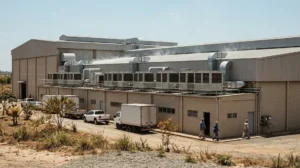
However, this expansion brings with it a colossal energy and environmental challenge. Data centers, the true “brains” of our digital society, consume enormous amounts of electricity, primarily to power servers and, crucially, their complex cooling systems.
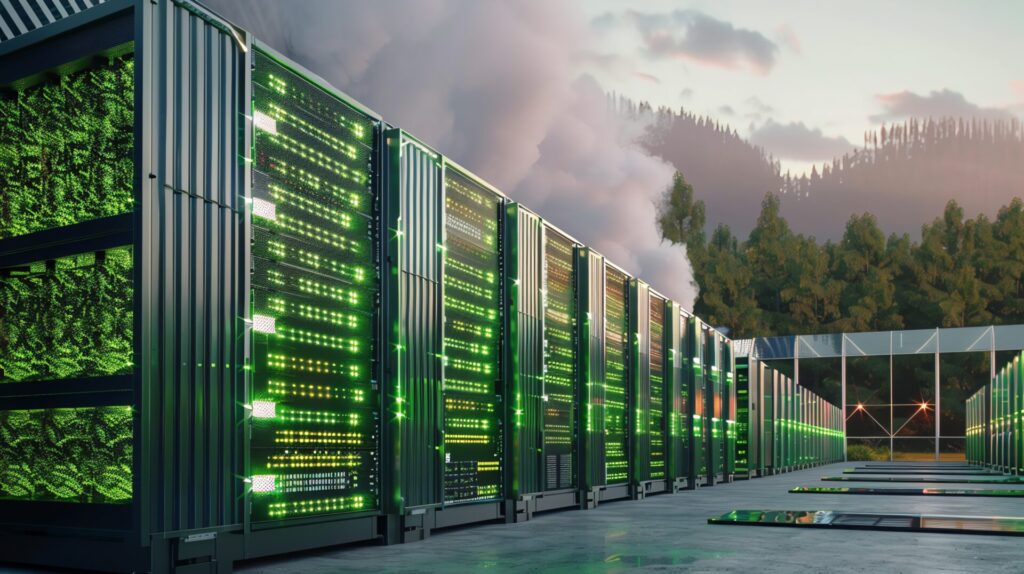
The key to sustaining this technological growth without compromising the planet lies in a powerful combination: a complete shift to data centers powered by clean energy.
This article explores how this transition to sustainability is vital, detailing efficiency mechanisms and how companies like Tecnogera are playing a role in this landscape.
The Energy Challenge of Modern Data Centers
The energy consumption of global data centers is already comparable to that of entire countries. This high demand is primarily linked to two factors: increasing processing power and the constant need for cooling.
State-of-the-art servers supporting AI and big data require constant energy peaks. Additionally, the heat generated by these machines demands a robust climate control system, which often accounts for the majority of total consumption.
Operating with traditional (fossil) energy sources results in high operational costs and an unsustainable carbon footprint.
The pursuit of operational efficiency and reduced environmental impact has become a top priority for tech giants, who face not only regulatory pressure but also the expectations of their shareholders and consumers.
The Efficiency Metric: Reducing PUE and Water Waste
The true differentiator of a sustainable data center lies in its operational efficiency, measured by the PUE (Power Usage Effectiveness) index.
While traditional data centers operate with PUEs close to 1.5 or 2.0 (meaning 50% or more of the energy consumed is wasted on cooling and losses), the industry’s goal is to achieve PUEs as close as possible to 1.0.
This optimization is achieved through innovations like free cooling, using outside air in cold climates, and adopting liquid cooling, which is much more efficient at absorbing heat from high-density servers running AI and machine learning.
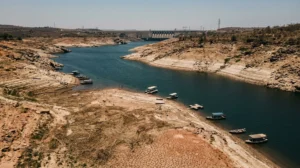
Beyond PUE, the challenge of water consumption (WUE – Water Usage Effectiveness) emerges as critical. Data centers using evaporative cooling systems consume millions of liters of water annually.
Closed-loop liquid cooling solutions or the use of reclaimed and non-potable water sources become essential to mitigate the pressure on local water resources.
Renewable Sources as a Solution to Reduce Consumption and Emissions
Adopting renewable sources is the most strategic route for creating sustainable data centers. Transitioning to clean energy (solar, wind, and hydro) offers a dual benefit.
Firstly, it drastically reduces greenhouse gas emissions. By decarbonizing the energy matrix, tech companies not only meet their sustainability goals but also enhance their corporate image, meeting the growing demand for environmental responsibility.
Secondly, renewable energy provides greater operational efficiency and better cost predictability. In many markets, opting for distributed generation and purchasing in the Free Energy Market (MLE) allows data centers to negotiate more stable and competitive prices in the long term through PPAs (Power Purchase Agreements).
The Financial Return of the Ecological Transition
Sustainability in data centers has shifted from being a marginal cost to becoming a competitive advantage. The migration to renewables and improved efficiency generates a robust Return on Investment (ROI) on three fronts:
- CAPEX Optimization: efficient data centers reduce the need for expensive cooling equipment, lowering initial capital costs.
- OPEX Reduction: contracting clean energy results in a drastic reduction of operational costs in the medium and long term, given the control over input prices.
- Risk Mitigation: intelligent energy backup systems provide operational resilience, preventing astronomical financial losses caused by downtime.
Brazil, with its vast wind and solar potential, is in a privileged position to meet this growing demand from the digital infrastructure sector with clean energy. The trend is for most new data center projects to already have a renewable supply plan.
Tecnogera’s Role in Supporting Corporate Energy Efficiency
The transition to sustainable data centers requires more than just purchasing renewable energy; it requires intelligent and robust energy management. This is where Tecnogera stands out, offering solutions that go beyond, optimizing operational efficiency and ensuring uninterrupted energy supply.
Tecnogera operates in the energy market with a focus on temporary and permanent generation and management solutions, essential elements for digital infrastructure.
Their services ensure that data centers can operate with maximum efficiency and security, overcoming the inherent challenge of the intermittency of wind and solar sources.
This is achieved through advanced energy backup solutions, which include:
- High-efficiency UPS Systems: predictive management that minimizes electrical losses and ensures instant transition in case of grid failure.
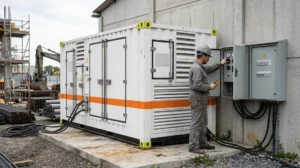
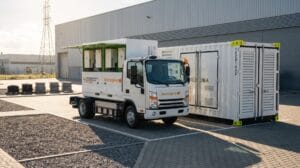
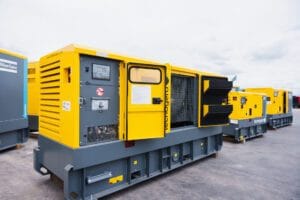
- Optimized Generator Sets: using state-of-the-art generator sets that can operate with cleaner fuels, such as natural gas, and are activated only for the shortest necessary time, intelligently integrating with the renewable matrix.
By providing this layer of resilience and consumption management, Tecnogera enables data centers to enjoy the benefits of clean energy without sacrificing security or reliability.
For example, energy backup systems and consumption optimization solutions are crucial to avoid downtime and reduce PUE.
By providing clean energy and integrated management solutions, Tecnogera supports large corporations in creating a more sustainable and economical digital ecosystem, solidifying Brazil as a green digital infrastructure hub.
The future of data centers inevitably involves innovation in sustainability and ensuring operational efficiency that specialized companies can offer.