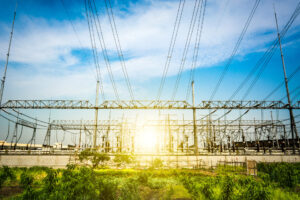
The energy matrix is the set of sources used to generate energy in a country or region. In everyday terms, it refers to how energy reaches industries, businesses, and homes.
More importantly, it affects the costs, productivity, and sustainability of operations.
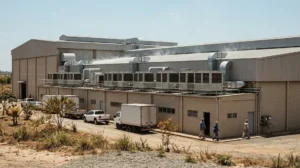
For companies handling large-scale operations, such as industries, mining, sugarcane fields, or large distribution centers, understanding the energy matrix goes beyond theory.
An industrial plant with high energy demand, for instance, may face bottlenecks or even outages if it relies on an unstable matrix. On the other hand, a factory investing in renewable sources or hybrid solutions can cut costs and enhance operational predictability.
Understanding the Energy Matrix and Its Outlook in Brazil
The energy matrix is the sum of all available and utilized energy sources to meet the country’s needs. This includes, for example, oil and natural gas (fossil fuels) and hydropower and solar energy (clean sources).
In Brazil, this matrix is considered one of the most renewable in the world. Nonetheless, it still faces challenges, particularly regarding energy security and source diversification.
According to the 2024 National Energy Balance, published by the Energy Research Company (EPE), Brazil’s energy matrix comprises 47.4% renewable sources, compared to a global average of about 14%.
The main sources include hydropower, biomass, and wind energy. However, fossil fuels continue to play a significant role, especially in thermoelectric generation during water crises.
Trends for the coming years include:
- Increased share of solar and wind energy;
- Expansion of hybrid systems and battery storage;
- Strategic use of generators as backup to ensure stability.
The Influence of the Energy Matrix on Operational Efficiency
Not all energy is created equal, and this makes a big difference in operational performance.
Choosing more reliable sources with less supply variation can prevent unplanned downtimes, production losses, and cost increases. Moreover, the type of energy you consume is directly linked to your operation’s carbon footprint. Investors, customers, and even environmental regulations are paying close attention to sustainability.
For example, a company that organizes events and relies solely on conventional grid energy may face impacts during power outages or fluctuations.
In contrast, a competitor using a more balanced matrix – with renewables, generator backup, and smart consumption management – is likely to maintain efficiency even in challenging scenarios.
Sources Comprising the Energy Matrix: Renewables vs. Non-Renewables
A country’s energy matrix is composed of different types of sources. In Brazil’s case, the balance between renewable and non-renewable sources is at the heart of strategic energy decisions.
The use of renewable sources has been growing significantly, driven by decarbonization policies, incentives for distributed generation, and technological innovations. However, non-renewable sources still play an important role, especially to ensure stability during water shortages or low solar and wind generation.
Renewable Sources
Renewable sources are those that regenerate naturally and have a reduced environmental impact. In Brazil, they represent nearly half of the total energy matrix, with a focus on hydropower, solar, wind, and biomass.
In addition to reducing emissions, these sources are increasingly competitive in terms of cost. However, it is important to note that many of them are intermittent (depend on climatic factors) and, therefore, need to be combined with storage solutions or complementary generation.
Non-Renewable Sources
Non-renewable sources, on the other hand, use finite natural resources, such as oil, natural gas, and coal. Although they have a greater environmental impact, they are valued for their reliability and rapid response capability.
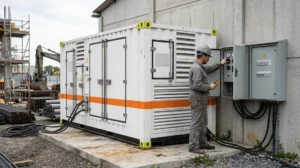
In practice, these sources are often used as backup in emergency situations, such as grid failures or low renewable generation. Many industries, for example, use diesel or natural gas generators to ensure continuous operation.
Main Energy Sources and Their Characteristics
Among the sources that make up Brazil’s energy matrix, the highlights are:
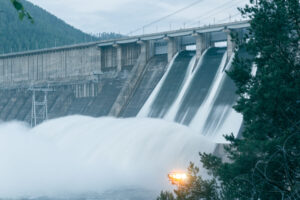
- Hydropower: Brazil’s main source. It’s renewable but vulnerable to droughts;
- Solar: growing in the country, with reduced costs and high availability;
- Wind: clean and abundant in some regions, but intermittent;
- Biomass: uses organic waste, very common in the sugar-energy sector;
- Natural Gas: cleaner fossil source, used as thermoelectric or support;
- Diesel: high efficiency for spot and emergency generation, ideal for generators;
- Oil and Derivatives: still present, but with a trend towards reduced use.
How Choosing the Energy Matrix Can Impact Your Results
Choosing the right energy matrix is a decision that will certainly ensure competitiveness, predictability, and security for your operation.
Clean sources can enhance your company’s image and open doors to new markets. Meanwhile, solutions supported by generators ensure functionality even in the worst scenarios.
Companies that invest in energy planning are a step ahead – and having reliable partners makes all the difference.
Tecnogera offers rental of electric generators to efficiently, flexibly, and securely complement your energy matrix. Whether as technical support, in emergencies, or in hybrid solutions, we help your operation maintain its pace, even when the system fails.
Secure the energy your company will need in the future today.