Event planning is like assembling a complex machine—if one part fails, the entire system risks coming to a halt. Few components are as crucial as power generation.
Imagine an outdoor festival with thousands of attendees: stage lights, sound systems, LED panels, refrigerated dressing rooms, food stalls running… and, suddenly, a power outage stops everything. The loss is immediate, and the impact on the audience’s experience is irreversible.
That’s why continuous power supply and ensuring a robust infrastructure are top priorities in event planning.
Whether it’s weddings, conventions, public festivals, concerts, or sports competitions, they all share a common need: detailed planning, appropriate equipment, and flawless execution to ensure nothing stops from start to finish.
Energy Planning: The Foundation for Successful Events
Energy planning is the cornerstone of any successful event. It goes beyond merely installing equipment: it involves strategy, safety, and prevention.
A mistake at this stage can jeopardize the entire operation—hence, it’s essential to structure each step in advance with attention to detail.
Check the Venue’s Energy Capacity
First and foremost, understanding the event’s electrical demand is crucial. This includes listing all equipment to be used, their individual power ratings, average operating time, and total load required.
This step prevents overloads and ensures the infrastructure is prepared to support the entire operation.
Renting Power Generators
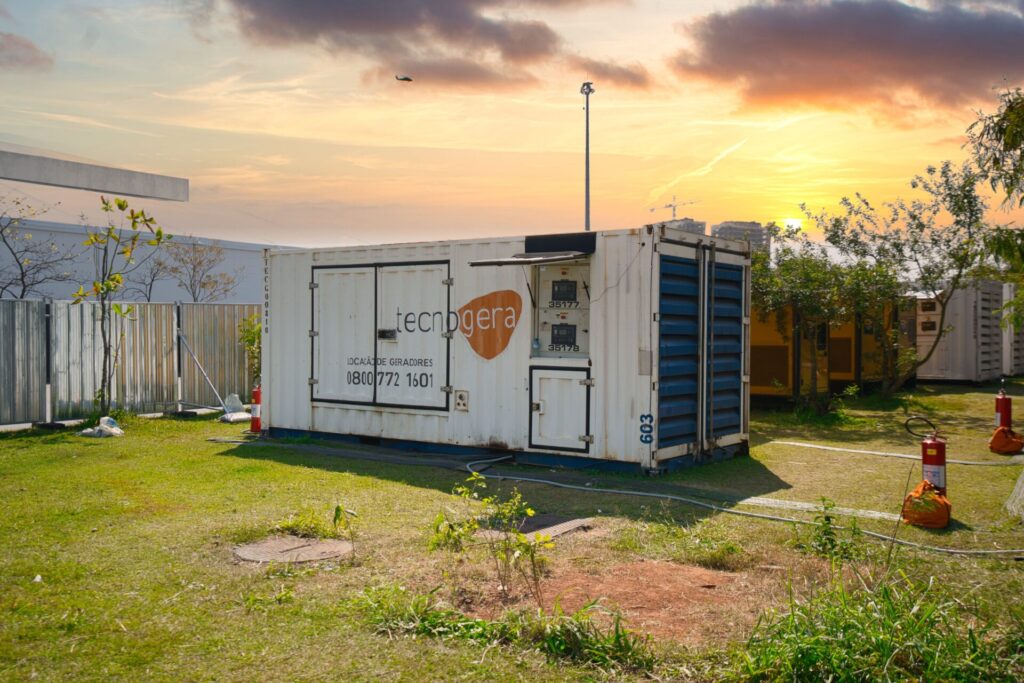
Opting for generator rental is a smart and strategic move. They can be used as the main source or as support in case of local grid instability.
Renting offers flexibility, with various models available according to the required power and type of event.
Preventing Infrastructure Risks
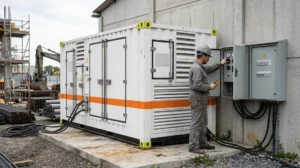
Generators, cables, distribution panels, and other equipment must be installed by qualified professionals, ensuring everything is protected against failures, overloads, or short circuits. It’s also important to assess the site for weather exposure and install covers when necessary.
Agile and Skilled Team
Having a specialized technical team throughout the event makes all the difference. This team should be ready to handle unforeseen issues and ensure the power supply remains stable and secure from start to finish.
Backup: Plan B is a Must
Large-scale events cannot rely on a single power source. Having a backup system with standby generators ensures a quick response in case of failure and prevents operational losses.
Continuous Monitoring
During the event, it’s crucial to monitor energy consumption and generation in real-time. This allows for preventive adjustments and greater control over equipment performance.
Energy Efficiency and Sustainability
The pursuit of sustainable solutions should also be part of the planning. Equipment with lower consumption, intelligent systems, and companies offering solutions with environmental certifications add value to the event and demonstrate socio-environmental responsibility.
Essential Equipment for Large Events
In event planning, the choice of equipment directly impacts safety, efficiency, and audience experience.
In addition to technical items like cables, distribution panels, and control boards, there are specific solutions that enable safe and quick setup and operation.
Among the essential equipment for energy and logistics infrastructure, the event checklist highlights:
- Aerial platforms: crucial for setting up overhead structures, installing lighting, and sound equipment;
- Articulated platform is ideal for locations with obstacles and greater horizontal reach;
- Scissor lift is excellent for vertical height work, offering more stability;
- Backup power generation system: essential to prevent outages or interruptions. Ensures the event continues running in case of main supply failure;
- Redundancy with generator sets: using more than one generator set is a smart way to prevent failures. It also facilitates maintenance during the event without compromising operations;
- Temporary lighting towers: enhance safety in circulation areas and are indispensable for nighttime events or those with large crowds;
- Load banks: crucial for regulating and testing the electrical capacity of the installation, ensuring stable supply.
Logistics and Safety for Continuous Operation
Event planning goes beyond setup. Logistics and safety are fundamental pillars to ensure everything runs smoothly. And, when it comes to power generation, these factors become even more critical.
The transportation of equipment, for instance, requires planning. Large generators need specific trucks, and the event area must be accessible for loading and unloading. If the location cannot accommodate large equipment transport, opting for smaller units in greater numbers, strategically distributed, is possible.
The distribution of generators must also consider safety and accessibility. They need to be positioned on level surfaces, protected from the elements, and with restricted access to prevent accidents or improper handling. Additionally, acoustic isolation may be necessary for noise-sensitive events.
Another critical point is the flow of people. Equipment maintenance during the event should be planned so it doesn’t interfere with audience movement. Often, structures like stages, stalls, or parade floats can block access to certain points. Therefore, the technical access route should be considered from the start of setup.
Safety also involves the preventive actions of the responsible team. This includes using PPE, proper signage, evacuation plans, and training for emergency situations. The entire operation must comply with current technical standards and regulations.
Recommended Reading: How a Power Generator Saves Your Business Money
Rely on the Expertise and Experience of Industry Leaders
Tecnogera is a national leader in temporary energy projects, energy security, and height work solutions.
We operate with technology, innovation, and safety to ensure major events happen with continuous energy, efficiency, and peace of mind.
With presence throughout Brazil, we’ve been part of events like the Rio 2016 Olympics, major TV network recordings, and Salvador’s Carnival, providing energy and infrastructure to ensure everything goes as planned.
We offer generator sets (for rent), lighting towers, transformers, load banks, and aerial platforms, all with specialized technical support and teams available in all regions of Brazil.
Our commitment is to ensure your event runs smoothly with intelligent, sustainable, and tailored solutions.