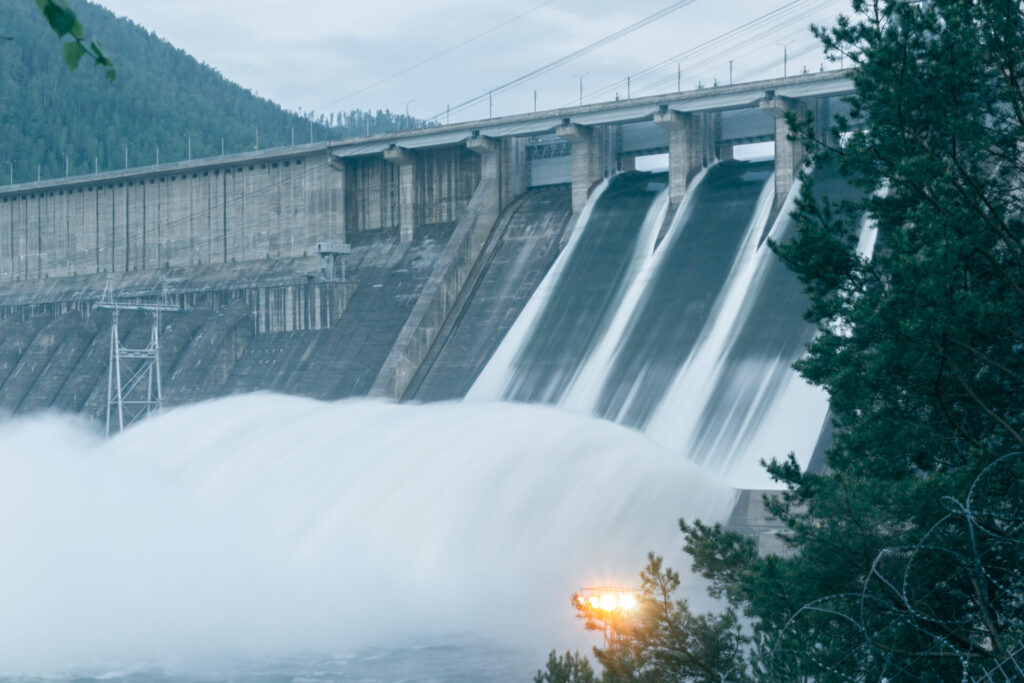
Hydroelectric power is a form of electricity generation that uses the force of moving water to spin large turbines. Recognized worldwide, this source is an essential pillar in the global energy matrix, especially in Brazil, which stands out for its vast hydro potential.
In the Brazilian context, hydroelectricity represents about 67% of the installed capacity in the National Interconnected System (SIN), making the country one of the world leaders in this modality. This predominance reflects not only a natural vocation but also decades of investment and technological development in the sector.
Understanding the pros and cons of hydroelectric power is essential. In a scenario of climate change and the search for a sustainable energy transition, critically analyzing this source allows for optimizing its use and planning a more resilient and balanced energy future for Brazil and the world.
Index
- Advantages of hydroelectric power
- Disadvantages of hydroelectric power
- How does hydroelectric power work?
- Hydroelectric power in Brazil
- Future of hydroelectric power in Brazil and the world
Advantages of hydroelectric power
Despite some controversies, hydroelectric power offers significant benefits that justify its use in many contexts.
Its advantages range from environmental sustainability to operational efficiency and socioeconomic benefits, establishing it as a key component in energy security.
These plants stand out for being a renewable energy source with low carbon emissions, in addition to having high efficiency and reliability in generation. They also have a long lifespan, low long-term operational costs, and the reservoirs offer additional benefits beyond electricity.
Renewable source
Water is a fundamental resource and, through the natural hydrological cycle, is continuously renewed. This means that the hydroelectric plant uses a resource that is constantly replenished by rain, making hydroelectric power generation inherently sustainable.
This process ensures that, with proper water management, the energy source remains available for future generations. It is a classic example of renewable energy, contrasting with fossil fuels that are finite and exhaustible.
Low carbon emissions
Hydroelectric generation has a low carbon emission profile compared to thermal power plants. While a coal plant can emit about 820 grams of CO2 per kWh, hydroelectric plants emit only 4 to 48 grams of CO2 per kWh over their lifecycle.
Recent studies by the IPCC (Intergovernmental Panel on Climate Change) confirm the crucial role of hydroelectric plants in reducing greenhouse gases. This is vital for Brazil, which has ambitious emission reduction targets under the Paris Agreement, contributing to a greener future.
High efficiency and reliability in generation
Hydroelectric plants are known for their high efficiency and reliability, converting about 65% to 90% of the water’s potential energy into electricity. This rate is higher than most other large-scale energy sources, ensuring optimized use of the resource.
They can quickly adjust their production to meet demand variations, functioning as “natural batteries” for the electrical system. Unlike solar and wind sources, which are intermittent, water storage in reservoirs offers a stability and flexibility unmatched.
Long lifespan
One of the great advantages of hydroelectric power is its long lifespan, which can range from 50 to 100 years or even more. This is due to the robustness of its infrastructure, especially the dam, which is designed to last for many decades with proper maintenance.
In Brazil, we have great examples like the Furnas Plant, located in Minas Gerais, inaugurated in 1963, which continues to operate efficiently. This longevity ensures a prolonged return on the initial investment, making it a source of enduring value energy.
Low operational cost
Although the initial investment for building a hydroelectric plant is high, the long-term operational cost is considerably low. The main “raw material,” water, is free, and maintenance is less intensive than in thermal power plants.
Industry data indicates that, after amortizing construction costs, the cost of energy generated by hydroelectric plants is one of the most competitive in the market. This translates into more affordable energy for consumers and industries, benefiting the entire economy.
Additional benefits of reservoirs
The reservoirs of hydroelectric plants go beyond energy generation. They play a crucial role in flood control, regulating river flow and protecting communities located below river level from flooding during rainy periods, as seen in various regions of Brazil.
Additionally, these reservoirs serve for water supply for human consumption, agricultural irrigation, and even for recreational and tourist activities.
The Itaipu Dam, for example, has a reservoir that boosts tourism and contributes to local biodiversity.
Disadvantages of Hydroelectric Energy
Despite its many advantages, hydroelectric energy also presents significant impacts that need to be carefully considered. Careful planning and mitigation measures are essential to reduce negative effects, ensuring more sustainable development.
It is essential to analyze direct environmental impacts, such as the flooding of areas, and the social challenges arising from the displacement of communities. Vulnerability to climate change and high initial costs are other points that require attention in the expansion of this source.
Environmental Impacts
The construction of dams for hydroelectric plants often results in the flooding of vast areas. This causes loss of biodiversity, deforestation, and drastic alteration of terrestrial and aquatic ecosystems, affecting local flora and fauna.
The decomposition of submerged vegetation in reservoirs, especially in tropical regions, can release methane, a potent greenhouse gas. Additionally, changes in water regimes affect fish migration and river dynamics, as observed in projects in the Amazon, generating considerable environmental impact.
Non-Renewable Energy Sources
Although hydroelectric energy is a renewable source, it is important to differentiate it from non-renewable energy sources. These are characterized by their finite nature and the long geological formation process, which extends over millions of years and makes them irreplaceable on a human scale.
Despite the severe environmental problems they cause, non-renewable sources, such as fossil fuels (oil, coal, natural gas) and nuclear energy, are still the most widely used globally.
The energy transition seeks to reduce this dependency, but the challenges are immense, requiring diversification to clean energies like hydroelectric.
Social impacts and community displacement
The construction of large hydroelectric plants often requires the displacement of entire communities. Projects like Belo Monte, for example, have displaced thousands of people, including indigenous and traditional populations, generating social conflicts and loss of cultural and economic ties.
This forced relocation imposes complex challenges, such as adapting to new lands and rebuilding lives, often with compensations that do not cover the losses.
The discussion about human rights and the impact on vulnerable groups is central to the analysis of the feasibility of new projects.
Vulnerability to climate change and droughts
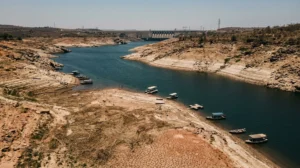
The dependence of hydroelectric energy on rainfall patterns makes this source vulnerable to climate change. Prolonged drought periods, like the Brazilian water crisis of 2014-2015, result in the decrease in reservoir levels and, consequently, in the reduction of energy generation.
Climate projections for Brazil indicate greater variability in rainfall, which may affect the reliability of hydroelectric plants. This vulnerability highlights the importance of diversifying the energy matrix in Brazil, with the integration of complementary sources such as wind and solar, to ensure energy security.
High initial cost and long construction period
The construction of large hydroelectric plants requires a high initial cost, often in the billions of dollars, due to the complexity of dam engineering and hydraulic turbines. This massive investment represents a considerable financial challenge, especially for developing economies.
Furthermore, the long construction period, which can vary from 5 to 15 years, brings economic and financial uncertainties. In large-scale projects, delays and additional costs are frequent, as has already occurred in several Brazilian works, compromising planning and return on investment.
How does hydroelectric energy work?
Hydroelectric energy transforms the potential energy of water into electricity through a simple process: the water stored in the reservoir descends by the force of gravity, moves the hydraulic turbines, and generates mechanical energy.
This energy is converted into electrical energy by the generators and distributed through the transmission networks.
The main components of a hydroelectric power plant are:
- Dam: structure that creates the reservoir;
- Reservoir: water storage location;
- Powerhouse: houses turbines and generators;
- Generators: convert the mechanical energy of the turbines into electricity, sent to the transmission networks.
Types of hydroelectric power plants
There are different types of hydroelectric power plants, adapted to different geographical conditions and energy needs:
- Reservoir power plants: are the most common, using a large dam to store water and generate energy more consistently, with reserve capacity.
- Run-of-river power plants: have smaller reservoirs and rely directly on the natural flow of the river, generating energy continuously but with less control capacity during dry periods.
- Pumped-storage power plants: pump water to an upper reservoir during low demand periods and release it to generate electricity during peak consumption, optimizing the system.
- Small Hydroelectric Plants (SHPs) and Hydroelectric Generating Stations (HGSs): are smaller projects with reduced environmental and social impacts. They have lower installed capacity and are built on smaller rivers, contributing to the Brazilian energy matrix in a decentralized manner.
Hydroelectric Power in Brazil
Hydroelectric power is the backbone of Brazil’s energy matrix, with an installed capacity that remains around 67% of the total. Its importance is historical, driving the country’s industrial and urban development since the 20th century and ensuring national energy security.
Brazil still has significant untapped hydroelectric potential, especially in the Amazon region. However, new projects face major regulatory and environmental challenges, requiring in-depth studies to mitigate impacts on sensitive ecosystems and traditional communities.
The search for a balance between the need for energy generation and environmental preservation is constant. The debate over the construction of new dams involves complex cost-benefit analyses, considering technological advances and the demands for renewable energy.
Main Brazilian Hydroelectric Plants
Brazil is home to some of the largest and most important hydroelectric plants in the world:
- The Itaipu Plant, on the border with Paraguay, is an engineering landmark and one of the largest energy generators on the planet, demonstrating the country’s vast hydroelectric potential.
- The Belo Monte Plant, located on the Xingu River in the Amazon, which, despite controversies, has an impressive generation capacity.
- The Tucuruí Plant, in Pará, also stands out for its strategic role in the energy supply of the Northern region.
These large hydroelectric plants are vital to Brazil’s energy matrix, providing power to millions of homes and industries. They represent Brazil’s ability to harness its water resources for large-scale energy generation.
Future of Hydroelectric Power in Brazil and the World
The future of hydroelectric power in Brazil and the world points to trends of modernization of existing plants and a growing focus on Small Hydroelectric Plants (SHPs). Optimizing the operation and extending the lifespan of current infrastructures are priorities, aiming for greater efficiency.
The concept of complementarity between renewable sources is key, with hydroelectric working together with solar and wind energy. This allows for compensating the intermittency of these other sources, ensuring the stability and energy security of the system.
Hydroelectric power will continue to play a fundamental role in the global energy transition, serving as a renewable and flexible energy source.
Technological innovations promise to improve the efficiency of hydraulic turbines and further reduce the environmental impacts of new and old projects.
Read also: the impacts of El Nino and La Nina on the electric sector