The energy transition is a structural and profound process of change in the way we produce, distribute, and consume energy.
It goes far beyond the simple exchange of sources: it is about the gradual and planned replacement of an energy matrix based on fossil fuels such as coal, oil, and natural gas, with a system based on clean, renewable, and low-carbon sources, such as solar, wind, biomass, and green hydrogen.
The ultimate goal is to decarbonize the global economy, drastically reduce greenhouse gas emissions, and build an environmentally sustainable, economically viable, and socially just future.
Index:
What are the objectives of the energy transition?
What is the importance of the energy transition?
How is the energy transition carried out?
What are the impacts of the energy transition on the energy sector?
The Paris Agreement and the energy transition
What is the role of renewable energies?
New technologies in energy generation
What is the situation of the energy transition in Brazil?
Discover Tecnogera’s solutions for a sustainable future
What are the objectives of the energy transition?
The objectives of the energy transition are varied and interconnected, aiming for a systemic transformation.
The main objectives are:
Reduce dependence on fossil fuels
The central pillar is to reduce the use of coal, oil, and natural gas, which are finite and the largest contributors to greenhouse gas emissions. This involves rethinking everything from electricity generation to the fuels used in transportation and industry.
Massively expand the share of renewable energies
It’s not just about adding, but making clean sources the foundation of our energy matrix. The goal is for solar, wind, biomass, and hydroelectric energy to stop being “alternatives” and become the main players.
Democratize and decentralize access to energy
The energy transition promotes a model where energy is not generated only in large centralized plants.
It encourages distributed generation, where consumers, whether residential, commercial, or industrial, can produce their own energy, such as through rooftop solar panels. This creates “prosumers” (producers + consumers), increases system resilience, and can bring energy to remote communities.
What is the importance of the energy transition?
The importance of the energy transition is global and urgent, encompassing three main spheres: environmental, economic, and social.
Combating climate change
This is the most pressing reason. The burning of fossil fuels releases carbon dioxide (CO2) and other GHGs, which intensify the greenhouse effect and cause global warming. The transition is the most powerful tool to mitigate extreme climate events, such as droughts, floods, and heatwaves.
Energy security and independence
Countries that rely on importing oil and gas are subject to international price volatility and geopolitical tensions. Example: The energy crisis in Europe, intensified by its dependence on Russian gas. By investing in domestic renewable sources, such as sun and wind, nations increase their energy autonomy and resilience.
Sustainability and public health
Air pollution generated by coal plants and combustion vehicles causes millions of premature deaths per year and worsens respiratory diseases. Clean sources eliminate the emission of these local pollutants, improving the quality of life in cities.
Economic development and job creation
The transition creates a new “green economy,” generating jobs in the manufacturing, installation, and maintenance of renewable energy equipment, as well as jobs in research, development, and management of new technologies.
How is the energy transition carried out?
The energy transition is an ongoing process that relies on a set of strategic and coordinated actions, such as:
Invest in efficient and environmentally friendly technologies
This means directing capital towards innovation. This includes developing more efficient solar panels than those currently in use, floating offshore wind turbines capable of capturing stronger winds in deep waters, and crucially, in energy storage systems with long-lasting batteries, ensuring a stable supply even when there is no sun or wind.
Reducing energy waste with smart grids
Losses in energy transmission and distribution in traditional power grids can be significant. Modernizing to smart grids uses sensors, smart meters, and automation to monitor energy flow in real-time, instantly identify faults, and optimize delivery. Example: A smart meter informs the consumer of peak and off-peak times, encouraging conscious consumption and easing the load on the grid.
Improving energy efficiency across all sectors
Energy efficiency is the art of doing more with less energy. This applies to everything: from replacing incandescent bulbs with LEDs in a home, to upgrading industrial motors and improving building thermal insulation.
Tecnogera, for example, prioritizes this front with its fleet of high-efficiency generators, which convert fuel into electricity with minimal losses, optimizing resources and reducing operational costs.
Gradually replacing polluting sources with sustainable alternatives
This process, known as phase-out or gradual withdrawal, involves progressively deactivating the most polluting plants and replacing them with new renewable capacities.
Practical example: A country may set a goal to close all its coal plants by 2035 while offering auctions and tax incentives for the construction of new wind and solar farms, ensuring that energy demand continues to be met.
What are the impacts of the energy transition on the energy sector?
The impacts are transformative and redefine the entire sector.
Environmentally: The most evident benefit is the drastic reduction of the carbon footprint of the electric sector. Replacing fossil fuel power plants with clean sources results in less CO2, sulfur oxides (SOx), and nitrogen oxides (NOx), which are responsible for acid rain and respiratory problems.
Economically: The transition triggers a virtuous cycle of investments. New markets are created for clean technologies, and the supply chain expands, generating “green jobs.” On the other hand, assets linked to fossil fuels may lose value, a risk known as “stranded assets.”
Socially: The major challenge is ensuring a just transition. This means retraining the workforce from declining sectors, such as coal mining, to work in new renewable industries. Additionally, it is crucial to ensure that clean energy is accessible to all layers of the population, avoiding “energy poverty.”
The Paris Agreement and the energy transition
The Paris Agreement, signed in 2015, is the main global catalyst for climate action. It sets the goal of limiting the increase in global average temperature to well below 2°C above pre-industrial levels, with efforts to limit it to 1.5°C.
The energy transition is not just a recommendation; it is the main tool for countries to meet their targets.
Each signatory nation presents its Nationally Determined Contributions (NDCs), which are action plans detailing how they intend to reduce their emissions. The vast majority of these plans have as their pillar the expansion of renewable energies and the improvement of energy efficiency.
What is the role of renewable energy?
Renewable energy is the protagonist and backbone of the transition. Today, in many matrices, they act in a complementary manner. However, the goal is that, with technological advancement and cost reduction, they become the main source of energy, ensuring a clean, safe, and inexhaustible supply.
They are the solution to the central problem of emissions, as their operation generates electricity with zero or near-zero carbon emissions.
New technologies in power generation
In addition to solar and wind energy, when we talk about energy transition, green hydrogen and battery storage systems stand out.
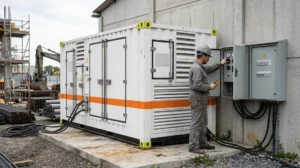
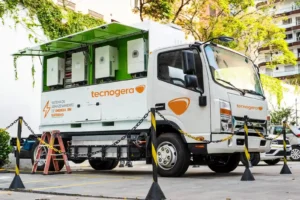
An example is the BESS – Battery Energy Storage System, a solution from Tecnogera that combined the company’s two main areas of operation – generators and access platforms.
In this system, batteries that lose traction power are used for energy storage. This solution is installed in trucks and replaces generators for a determined period.
With this new purpose, the lifespan of the batteries is extended, reducing material disposal. The original lifespan, which is 8 to 10 years, increases by another 10 years.
What is the situation of the energy transition in Brazil?
Brazil holds a prominent and privileged position when it comes to energy transition.
Clean electricity matrix: Thanks to the strong predominance of hydroelectric plants, Brazil’s electricity matrix is already one of the cleanest in the world, with more than 80% from renewable sources. However, the total energy matrix (which includes transportation and industry) still has about 55% participation from fossil sources.
Gigantic potential: The country is blessed with abundant natural resources. The Northeast has one of the best wind regimes and the highest solar radiation index on the planet. Additionally, Brazil has enormous potential for biomass (from sugarcane bagasse) and biofuels (ethanol), which are already a consolidated reality. The expansion of wind and solar has been exponential in recent years.
Intermittency and infrastructure: The major challenge of solar and wind sources is that they depend on the weather. To ensure system security, it is crucial to invest massively in storage technologies and in the expansion of transmission lines to bring the energy generated in the Northeast to the major consumption centers in the Southeast.
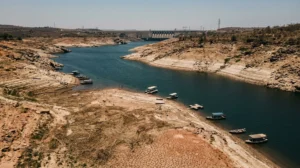
Hydraulic dependency: The base of our matrix, hydroelectric energy, is vulnerable to water crises and prolonged droughts, like those we’ve seen in recent years. Diversifying with other renewables is a matter of national security.
Regulatory modernization and financing: It is necessary to create stable regulatory frameworks that attract long-term investments and simplify the licensing of new projects, as well as develop financing mechanisms for emerging technologies.
Leadership and investment attraction: Brazil can position itself as a global leader in the low-carbon economy, attracting billions of dollars in investments for clean energy projects.
Energy security and cost reduction: Diversifying the energy matrix reduces dependence on hydroelectric plants and costly fossil fuel thermal power plants, which increase electricity bills during droughts.
Regional development and job creation: Most wind and solar farms are located in the country’s interior regions, generating jobs, income, and development in historically disadvantaged areas.
Challenges of the energy transition in Brazil
The main challenges are the intermittency of renewable sources, which depend on weather conditions to generate energy, and the need for massive infrastructure investments.
Expanding transmission lines is essential to connect generation centers, such as the wind and solar farms in the Northeast, to major consumption centers in the Southeast. Additionally, to ensure system stability and security, it is necessary to train a new generation of professionals to design, install, and operate these innovative technologies.
Additionally, a structural challenge is the decarbonization of final energy consumption sectors, which go far beyond electricity generation. Brazil’s total energy matrix, which includes transportation and industry, still has a strong dependence on fossil fuels.
The transportation sector, for example, is predominantly diesel-powered, and electrifying heavy fleets, such as trucks and buses, is a complex and costly process.
Similarly, industrial sectors such as cement and steel are “hard-to-abate” because their production processes are carbon-intensive and require deep technological innovations, such as the use of green hydrogen, which are still in the early stages of development and scaling.
Benefits of the energy transition in Brazil
From an economic and strategic perspective, the energy transition positions Brazil as one of the most promising destinations for global investments, consolidating its image as a true green power.
The abundance of low-cost renewable resources attracts capital for the construction of new wind, solar, and green hydrogen plants, increasing the competitiveness of the national industry.
Furthermore, diversifying the energy matrix enhances the security and resilience of the electrical system, reducing dependence on hydroelectric and costly fossil thermal power plants, resulting in greater supply stability and potential long-term energy tariff reductions.
In the social and environmental sphere, the benefits are equally significant. The expansion of renewable sources is a powerful engine for generating “green jobs,” both in the construction and operation of projects and throughout the service and technology supply chain.
These investments promote regional development, especially in interior areas of the Northeast, generating income and reducing inequalities.
Environmentally, replacing fossil sources results in a direct decrease in greenhouse gas emissions and local pollutants, improving air quality and public health, and driving a virtuous cycle of development that is both socially inclusive and environmentally responsible.
Discover Tecnogera’s solutions for a sustainable future
Tecnogera is at the forefront, acting as a strategic partner for companies seeking to navigate the energy transition safely and efficiently. Our solutions are customized for today’s challenges and tomorrow’s opportunities.
Our state-of-the-art generators can operate with biodiesel (B100) and natural gas, transition fuels that significantly reduce emissions compared to conventional diesel, ensuring the reliability and continuity of your operation in critical moments or in locations without grid access.
Additionally, we develop battery storage systems (BESS), the essential technology to stabilize renewable sources and ensure quality energy. Our solutions help optimize consumption, reduce peak demand costs, and ensure the uninterrupted supply of clean energy.
We invite your company to be part of this transformation. Contact our team of experts and discover how Tecnogera’s innovative solutions can help your business become more sustainable, resilient, and prepared for the future.