The energy transition represents the global paradigm shift in how we produce and consume electricity. This movement seeks to replace fossil sources with clean and renewable energy, aiming to reduce the impacts of climate change and meet new regulations.
In the current scenario, the Brazilian electric sector stands out for its hydro-based foundation but faces the urgent need to increase diversification with the growing participation of sources like solar and wind in the national energy matrix. The pursuit of energy security and the pressure for decarbonization targets have accelerated the adoption of new technologies across the country.
What is energy transition and why is it necessary
The energy transition is the process of replacing matrices based on fossil fuels and more polluting sources, such as coal and oil, with sustainable and lower-impact sources. This movement is essential to reduce greenhouse gas emissions, as established in the Paris Agreement.
Signed in 2015, the Paris Agreement sets the global goal of limiting planetary warming to 1.5°C. Its resolutions require countries to adopt decarbonization targets and encourage the use of clean and renewable energy on a large scale.
Historically, reliance on fossil sources has caused significant environmental impacts and price instability. Currently, the demand for a sustainable operation and economically viable operation makes the transition to sources like solar and wind an indispensable step for development.
The growth in energy demand requires more reliable and efficient systems. The transition focuses not only on the environment but also on creating a resilient system capable of supporting global technological industrial advancement.
Key changes in the electric sector
The traditional energy supply model is being redesigned to support the intermittency of renewable sources. The modernization of grids and the pursuit of autonomy are pillars that support the new future of electric energy in Brazil and worldwide.
These transformations allow consumers to move from being merely passive clients to actively participating in energy management. Technology acts as the link between environmental sustainability and the operational technical viability of companies.
From centralized generation to distributed generation
The model of distributed generation allows energy to be produced close to the consumption site, reducing losses in long transmission lines. The use of solar panels and local wind systems democratizes access and increases the resilience of the electrical grid.
This decentralization brings greater autonomy to industries, which can now manage their own supply. In addition to reducing costs, this mode relieves the load on the national electrical system, especially during peak hours or water crises.
Digitalization and automation of the electrical system
Digitalization uses sensors and remote monitoring to predict failures and optimize load distribution in real time. The use of data allows for intelligent management, ensuring that the energy supply matches demand with mathematical precision.
Automated systems facilitate the integration of variable sources, such as solar and wind, into the daily operations of companies. This operational predictability reduces unwanted interruptions and raises the safety standard for work at heights and large industrial operations.
Energy efficiency as a priority
Energy efficiency consists of producing more results using a smaller amount of resources. The modernization of fleets and the use of equipment high yield are fundamental strategies to reduce waste at any production scale.
Optimizing consumption directly impacts operational costs, making companies more competitive. Adopting conscious consumption practices and economic technologies is the fastest way to achieve financial sustainability and environmental sustainability.
The energy transition in Brazil
The energy transition in Brazil has unique characteristics, as the country has one of the cleanest energy matrices in the world. With more than 80% of its electricity coming from renewable sources, the national challenge focuses on infrastructure and regulatory modernization.
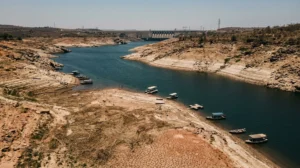
Despite the natural advantage, the country faces challenges such as climatic intermittency and the need for investments in more modern and intelligent grids. The expansion of hybrid energy solutions emerges as an alternative to ensure continuous supply during periods of low rainfall or prolonged drought.
Opportunities for the industrial sector grow as the government encourages decarbonization. Companies that adopt renewable energies now gain competitive advantage and legal security in light of new Brazilian and international emission standards.
Impacts of the energy transition for companies
Companies that migrate to sustainable models ensure greater energy security and continuity in their operations. The diversification of sources protects the business against price fluctuations in the free market and supply crises in the public grid.
Compliance with ESG goals (Environmental, Social, and Governance) has become a requirement for attracting investments and new contracts. Reducing the carbon footprint improves brand reputation and strengthens the commitment to society and the planet.
Direct savings on electricity bills and the greater durability of modern equipment generate consistent financial returns. The energy transition is, therefore, a strategy for survival, but also for growth and consolidation in an increasingly demanding and conscious market.
Tecnogera’s role in transforming the electric sector
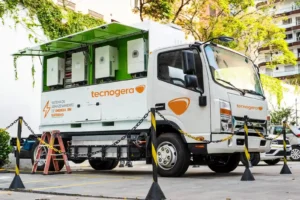
Tecnogera leads innovation by offering equipment that operates with renewable fuels, such as biodiesel (B100) and natural gas. Our energy and energy security solutions are designed to ensure high performance with the lowest possible environmental impact. We develop storage technologies, such as the
BESS system , which stabilizes renewable sources and prolongs battery life. Thesehybrid energy solutions allow our clients to operate uninterruptedly and sustainably in any location. We combine
energy security with constant innovation to support industries, commerce, and services in their decarbonization journeys. Our commitment is to provide cutting-edge technology that simplifies the transition to a cleaner and more productive electrical model. What to expect from the future of the electric sector
What to expect from the future of the electric sector
The future of electric energy points to a complete integration between renewable sources and intelligent storage systems. The trend is for battery technology to become the standard for managing the intermittency of sun and wind.
We will see an accelerated expansion of digitalization, allowing each consumer to manage their demand through apps and the use of artificial intelligence. The pursuit of zero emissions will cease to be a distant goal and become the foundation of the global economy.
The growing demand for efficiency and sustainability will shape new business models and urban infrastructures. Being prepared for this technological evolution is what will differentiate leading companies from followers in the next decade of transformation.
Read also: the impacts of El Nino and La Nina on the electric sector