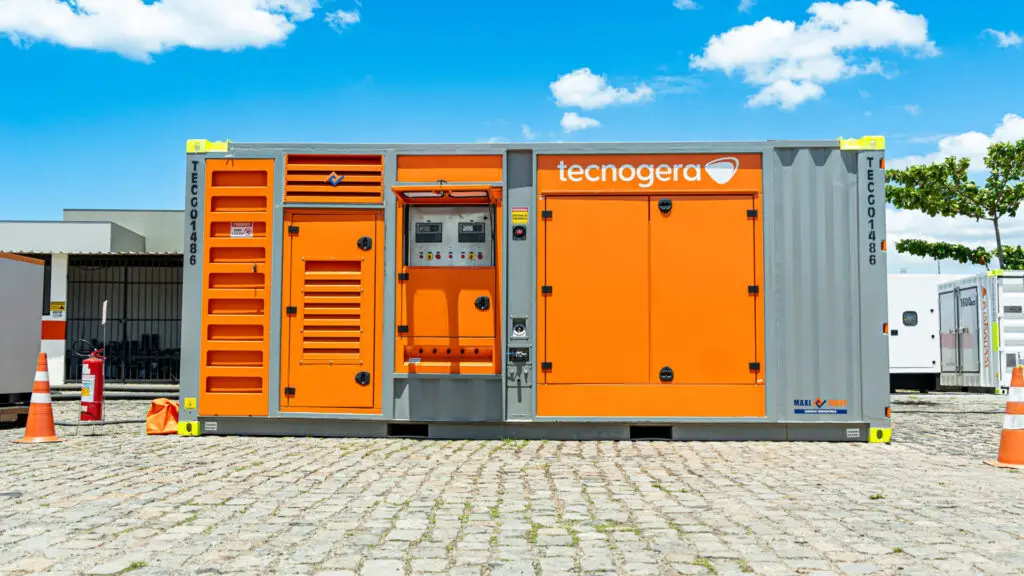
Energy security ensures a continuous, reliable, and affordable energy supply for society. Previously, this concept focused on adequate supply, but today it has evolved into something much more dynamic and crucial: resilience.
In a landscape marked by extreme weather events, grid instability, and blackout risks, energy security now equates to the ability to quickly respond to failures. For businesses, this means having contingency plans to prevent temporary disruptions or operational shutdowns.
This new reality places energy resilience at the heart of any business strategy. After all, interruptions in energy supply can cause significant losses, affecting production, service delivery, and market competitiveness.
Contents:
- What are the goals of energy security?
- Key challenges of energy security
- How to achieve energy security?
- Why is energy security important?
- Energy security in Brazil
- What are the global trends in energy security?
- Why is energy security crucial in global geopolitics?
- Ensure your business has the energy it needs with Tecnogera!
What are the goals of energy security?
The goals of energy security are based on a fundamental tripod to ensure energy plays its role in social and economic development. They aim to create a robust, fair, and future-ready system.
- Provide energy sustainably: prioritize clean and renewable energy sources, reducing environmental impact and carbon emissions. This aligns economic growth with the preservation of natural resources for future generations.
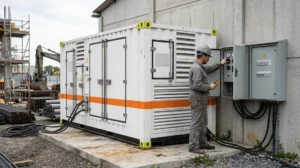
- Provide energy securely: ensure continuous supply, minimizing the risk of disruptions. This involves diversifying sources and implementing backup systems, like generators, to keep operations running during grid failures.
- Provide energy affordably: ensure energy costs are fair and accessible for all consumers, from households to large industries. Affordability is key to promoting economic inclusion and competitiveness.
Key challenges of energy security
Achieving full energy security involves overcoming complex and interconnected obstacles affecting Brazil and other countries. The growing energy demand and the need for infrastructure modernization are central issues.
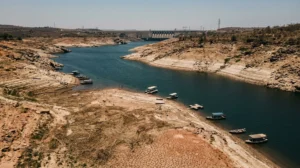
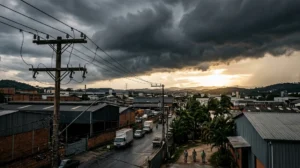
One of the biggest challenges is climatic and technical risks. Events like prolonged droughts, affecting hydroelectric reservoirs, or severe storms damaging distribution networks, expose the vulnerability of the electrical system.
Another critical point is the intermittency of renewable sources. While essential, solar and wind energy depend on favorable weather conditions, requiring complementary solutions to ensure continuous supply, 24/7.
Finally, inequality in access and dependence on external inputs are significant barriers. Ensuring energy reaches everyone with quality and fair prices while reducing vulnerability to geopolitical crises is an ongoing challenge.
How to achieve energy security?
The path to energy security requires coordinated actions among governments, businesses, and society. Investing in technology and strategic planning are the ways to build a more resilient and autonomous energy future.
The diversification of the energy matrix is the first step. Investing in multiple sources — such as solar, wind, biomass, and natural gas — reduces reliance on a single technology and increases system flexibility to handle supply variations. The more sources, the greater the possibilities to generate and supply energy.
The modernization of infrastructure and decentralization of generation are also crucial. Implementing smart grids and encouraging distributed generation systems, like solar panels and local generators, make the system more robust and less susceptible to widespread blackouts.
For businesses, the most effective solution is adopting an energy contingency plan. Having a backup energy source, like renting generators, ensures operations don’t stop during a grid failure, protecting revenue and brand reputation.
Why is energy security important?
Energy security is a pillar for the progress of any nation. Its importance goes beyond just keeping the lights on, being a determining factor for economic stability, social well-being, and even a country’s sovereignty.
For the economy, a stable energy supply drives industry, commerce, services, and attracts investments. Energy shortages lead to production losses, contract breaches, and financial damages, making companies less competitive.
Strategically, energy security reduces external dependency. Countries generating their own energy are less vulnerable to international crises and price fluctuations, ensuring greater autonomy in decision-making.
For society, it means quality of life. Hospitals, transportation systems, schools, and public safety services depend on energy to function. Ensuring this supply is essential for social development.
Energy security in Brazil
Energy security in Brazil is supported by a predominantly renewable matrix, a positive differentiator globally. The main source is hydroelectric plants, leveraging the country’s vast water potential to generate electricity.
However, this heavy reliance on rivers also poses a vulnerability. During droughts and low reservoir levels, the country must activate thermoelectric plants, which are costlier and more polluting, to supplement supply and avoid blackout risks.
The National Interconnected System (SIN) connects most of the country, allowing energy sharing between regions. Still, growing demand and extreme weather events highlight the need for complementary sources and backup solutions to ensure resilience.
Brazilian energy matrix
The Brazilian energy matrix is the set of energy sources used to meet the country’s demand. It stands out as one of the cleanest in the world, with a strong presence of renewable sources, especially in electricity generation.
Hydroelectric: the main source, accounting for most of the electricity generated.
Biomass: uses organic materials, like sugarcane bagasse.
Wind and solar: rapidly expanding sources with great growth potential.
Natural gas and petroleum derivatives: used as support sources, mainly to ensure system stability.
What are the global trends in energy security?
The main global trend is the energy transition, a massive shift towards low-carbon sources to combat climate change. European Union countries, for instance, lead investments in wind and solar energy.
Another strong trend is energy decentralization. Instead of a few large plants, the future points to microgrids and distributed generation, where consumers also produce their own energy, increasing system efficiency and resilience.
Digitalization emerges as a powerful tool, using artificial intelligence and the Internet of Things (IoT) to manage consumption in real-time and optimize distribution. This allows for quicker responses to supply and demand fluctuations.
Finally, the electrification of the economy is a growing movement, with sectors like transportation (electric vehicles) shifting to electricity consumption. This elevates the importance of a robust and 100% reliable electrical grid.
Why is energy security crucial in global geopolitics?
Energy has always been central to power and influence among nations. Control over energy sources, like oil and gas, has shaped alliances and driven conflicts throughout history, and today this dynamic is more relevant than ever.
Countries reliant on energy imports are vulnerable to political pressures and price volatility in the international market. In this context, energy security becomes a matter of sovereignty and national security.
The shift to renewable sources is creating a new geopolitics. Now, the focus is on mastering clean technologies and accessing critical minerals for battery and solar panel production, redefining global power relations.
What is energy equity?
Energy equity is the principle of ensuring all individuals and communities have equal access to clean, reliable, and affordable energy sources. The concept goes beyond mere grid connection.
It addresses social disparities, ensuring energy costs don’t disproportionately burden families, especially low-income ones. Additionally, it seeks to ensure the benefits of the energy transition, like jobs and cleaner air, are distributed fairly.
Equity is directly linked to energy security, as a system cannot be truly secure if part of the population is left behind or disproportionately suffers from the negative impacts of energy generation.
Find the best energy solutions for your business at Tecnogera!
In a scenario where every minute of operation counts, energy outages are not an option. Blackouts and grid instabilities can halt your production, affect your services, and cause losses that go beyond financial, impacting customer trust.
With over 18 years in the market and one of the largest fleets in Brazil, Tecnogera offers customized solutions to shield your company from unforeseen events. Our energy security projects are tailor-made to ensure your business never stops.
Don’t wait for the next blackout to act. With a well-structured contingency plan, you ensure the continuity of your activities without the need to invest in equipment purchases. Temporary energy is the smart solution for your business resilience.
Protect your operations and maintain your competitiveness. Talk to our experts and discover how generator rentals can provide the energy security your company deserves.