Biomass is an important way to produce clean energy sustainably.
The use of biomass has been growing significantly in the country, mainly due to its sustainable nature and the ability to utilize organic matter of plant or animal origin. Its purpose is energy production, being considered one of the oldest sources used by humans after the sun.
By investing in this energy use, a business can gain various benefits, especially thermoelectric plants that serve as the main source for areas not covered by the common utility generation and transmission system. Renewable energies are used as a base for cogeneration systems and are excellent ways to dispose of by-products.
Want to learn more about biomass and its importance compared to other renewable energy options available in the market? Keep following our publication and stay informed!
What is biomass?
Biomass is organic matter of animal or plant origin that can be used as an energy source. Among the most common types are:
- Charcoal;
- Firewood;
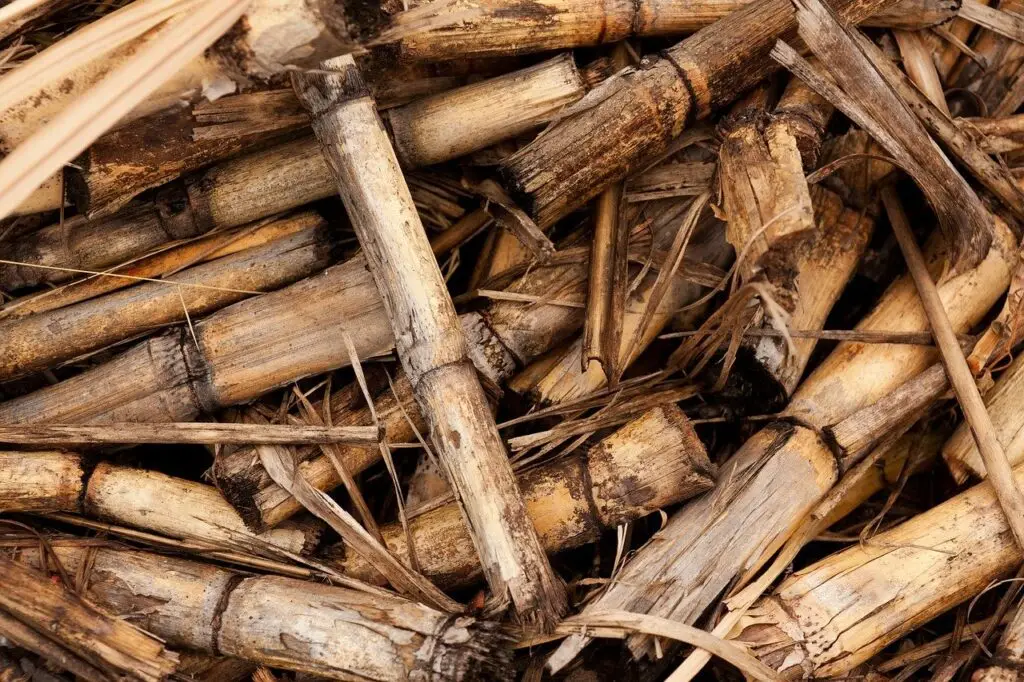
- Sugarcane bagasse;
- Tree branches and leaves;
- Papers and cardboard;
- And other sources.
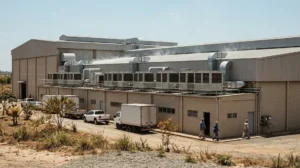
This input has been gaining more space in thermoelectric plants, mainly for reaching areas not covered by the supply system of utilities in the country, such as rural or remote areas from urban centers. Another important point is its use in cogeneration systems, to further enhance energy utilization.
Biomass is also considered a key element in various types of sustainable or clean fuels, such as bio-oil, biogas, and even biodiesel.
How does biomass work?
Its creation basically depends on the carbon cycle, working with the following steps:
- The burning of both biomass and other derivatives releases CO2 or carbon dioxide into the atmosphere;
- Thus, through photosynthesis performed by plants, CO2 is transformed into carbohydrates with the release of oxygen or O2 back into the atmosphere;
- This organic matter of plant or animal origin is finally transformed back into biomass, generating the carbon cycle;
- Its use does not directly alter the composition of the atmosphere, as long as sustainable limits for the resource are respected.
An important point of this input is its high energy density and the ease of conversion, storage, and transportation of the material for use. Another relevant point is the great similarity of the types of engines that use biomass with conventional engines that use fossil fuel sources, with reduced impact across various industries.
Some advantages of biomass as an energy source
One advantage of biomass as a source of alternative energy is being considered part of the range of renewable energies currently available for generation. This results in greater sustainability for the business with low emission of harmful pollutants to the environment.
A great example is an alcohol plant, where residues from sugarcane, also known as bagasse, are used to produce biomass. This is then burned to be transformed into electrical or thermal energy, used throughout the industry.
How is biomass produced and used?
Biomass can be used both as fuel and in the direct production of energy through several different processes such as pyrolysis, gasification, combustion, and co-combustion of organic material. These methods can be classified by efficiency, inherent process characteristics such as temperature, and even the energy capacity of the final product, as well as the economy in executing the transformation process.
Pyrolysis exposes biomass to very high temperatures without the presence of oxygen, accelerating its decomposition. The residue can be classified into gases, oils, and charcoal.
Gasification also requires biomass to be placed at high temperatures, without the presence of oxygen, to ultimately produce a flammable gas. The difference from pyrolysis lies precisely in this aspect: the final product is only a gas and requires a lower temperature.
Combustion also exposes biomass to high temperatures, but with the abundant presence of oxygen, producing high-pressure steam. This is used in turbine movement or boilers.
Co-combustion follows the line of combustion, replacing part of the mineral coal used for burning in thermoelectric plants with biomass, resulting in greater energy efficiency.
Another important point is the growing concern with the commitment to conserving original forest areas for the production of new deforested areas. Production policies and environmental impacts must be respected, always ensuring the proper use of the input for power generation.
Production and use in Brazil
Brazil has a long history with the use of biomass. Most of the country’s raw material traditionally came from firewood or charcoal. This concept has evolved, and today biomass is produced from sugarcane bagasse, firewood, charcoal, alcohol, and other primary sources, also accounting for nearly 13% of final energy consumption.
The industry has a significant share in biomass consumption, with charcoal as the main input, offering high temperatures for the production of consumer goods and high energy efficiency. Another relevant point is that it is a renewable energy source, thus reducing concerns about supply and ensuring clean energy for the country’s energy matrix.
Learn more!
Biomass is an important way to produce clean energy and ensures that a large part of the industry’s inputs and by-products are used, promoting even more efficiency in the sector. From firewood, sugarcane bagasse, and even papers can be transformed into biomass, demonstrating its capacity to be a key element in the production of new types of fuels like biodiesel.
Want to learn more about clean energy production and biomass? Keep following the publications on the Tecnogera blog!