The increase in energy costs has led companies from different sectors to seek more efficient ways to manage their energy consumption. In a scenario of greater pressure for competitiveness, operational efficiency, and sustainability, reducing waste and optimizing energy use has become a strategic priority.
Among the solutions that have been gaining prominence is Peak Shaving, a strategy used to reduce electrical demand peaks and minimize the costs associated with energy consumption.
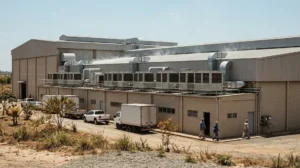
Although the term is still little known outside the energy sector, it is already part of the reality of industries, data centers, logistics centers, hospitals, and operations that have high energy consumption.
But after all, what is Peak Shaving and why has this strategy become so important for companies?
What is Peak Shaving?
Peak Shaving is an energy management strategy used to reduce or “shave” the energy consumption peaks of a facility.
In practice, when electrical demand reaches very high levels during certain periods of the day, alternative systems come into operation to complement the energy supply and prevent the company from exceeding certain consumption limits.
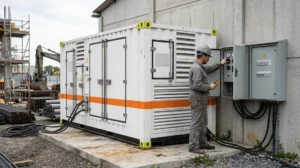
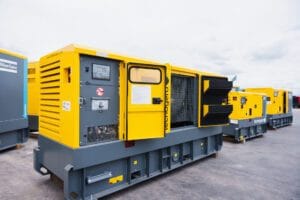
This complementary energy can be provided by different technologies, such as energy storage systems (BESS), generators, or hybrid solutions.
The goal is to reduce the load demanded from the power grid during peak consumption times and, consequently, decrease the costs related to energy demand.
Why do consumption peaks increase costs?
Many companies believe that the energy bill value is related only to the total amount of energy consumed. However, for larger consumers, there is another factor that directly influences costs: demand.
Demand represents the maximum amount of energy used in a given time interval.
When a company concentrates the operation of several pieces of equipment simultaneously, a consumption peak occurs. Depending on the intensity of this peak, costs can increase significantly.
Therefore, controlling demand is as important as reducing total energy consumption.
How does Peak Shaving work in practice?
Imagine an industry that has specific periods of the day when several pieces of equipment come into operation at the same time.
At these times, energy demand increases considerably and can lead to additional costs.
With a Peak Shaving strategy, an energy storage system or another complementary source is activated to provide part of the energy needed during the peak.
As a result, the amount of energy demanded from the power grid is reduced.
The process occurs automatically and in a planned manner, ensuring that the operation continues to function normally without impacting productivity.
What is the relationship between Peak Shaving and BESS?
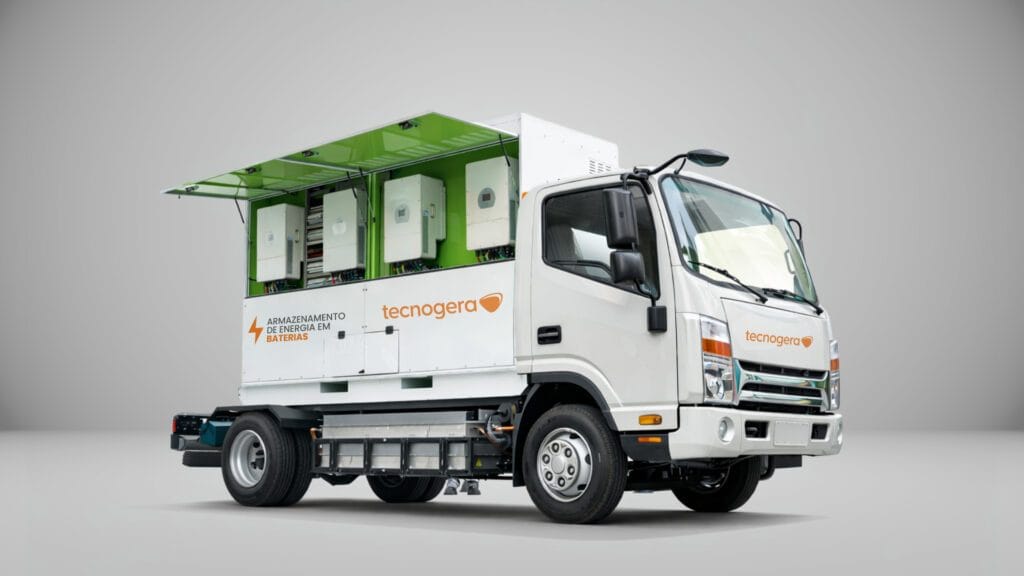
BESS (Battery Energy Storage System) systems are currently one of the main technologies used for Peak Shaving.
These systems store energy during periods of lower demand and make it available when consumption increases.
This quick response capability makes batteries especially efficient for controlling demand peaks and improving the energy management of the operation.
In addition to cost reduction, BESS systems can also contribute to:
- greater energy efficiency;
- increased operational safety;
- integration with renewable sources;
- reduction of fossil fuel consumption;
- support for asset electrification.
Therefore, the use of batteries has become increasingly common in modern energy management strategies.
Which companies can benefit from Peak Shaving?
Although any organization with high energy consumption can benefit, some operations tend to achieve even more significant results.
Industries
Production lines with high simultaneous use of equipment tend to present significant demand peaks.
Data centers
The need for high availability makes energy management a priority for these environments.
Logistics centers
Automated operations and handling systems can generate significant variations in energy demand.
Hospitals
The combination of critical equipment and the need for operational continuity makes energy efficiency even more relevant.
Large commercial enterprises
Shopping malls, business centers, and large complexes can use Peak Shaving to optimize their energy costs.
What are the benefits of Peak Shaving?
Adopting this strategy offers advantages beyond cost reduction.
Reduction in energy expenses
By reducing demand peaks, the company lowers part of the costs associated with electricity supply.
Better utilization of energy infrastructure
The operation starts using available resources more efficiently.
Greater cost predictability
Demand management helps reduce fluctuations and improve financial planning.
Support for sustainability
Battery-based solutions contribute to more efficient operations aligned with environmental goals.
More energy security
The use of complementary sources increases the operation’s resilience to fluctuations and energy challenges.
Peak Shaving and the future of energy management
As asset electrification advances and energy consumption grows in sectors such as industry, logistics, and data centers, intelligent demand management becomes increasingly important.
In this context, strategies like Peak Shaving are expected to gain relevance in the coming years, especially in operations seeking greater efficiency and competitiveness.
More than just reducing costs, the practice allows for smarter energy use, prepared for the challenges of the new energy economy.
How Tecnogera supports Peak Shaving projects
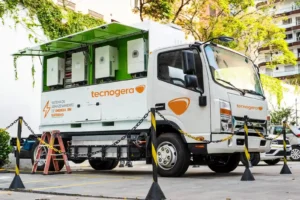
Tecnogera develops solutions that help companies increase energy efficiency and reduce operational risks.
Among these solutions are BESS systems, which allow energy storage and strategic use during peak demand periods.
Combined with other technologies, these systems contribute to more efficient, secure energy management projects aligned with energy transition trends.
In addition to providing solutions, Tecnogera offers specialized support for project sizing, implementation, and monitoring, ensuring each operation achieves maximum energy performance.
FAQ – Frequently Asked Questions about Peak Shaving
What does Peak Shaving mean?
Peak Shaving is a strategy used to reduce the energy demand peaks of a facility.
How does Peak Shaving reduce costs?
By lowering the recorded maximum demand, the company can reduce costs related to energy supply.
Does Peak Shaving use batteries?
Yes. BESS systems are one of the most commonly used technologies for this application.
Which companies can use Peak Shaving?
Industries, data centers, hospitals, logistics centers, and large commercial enterprises are some examples.
Does Tecnogera offer solutions for Peak Shaving?
Yes. Tecnogera works with BESS systems and energy solutions that help companies increase efficiency and reduce operational costs.
Read also: heat waves and increased energy consumption