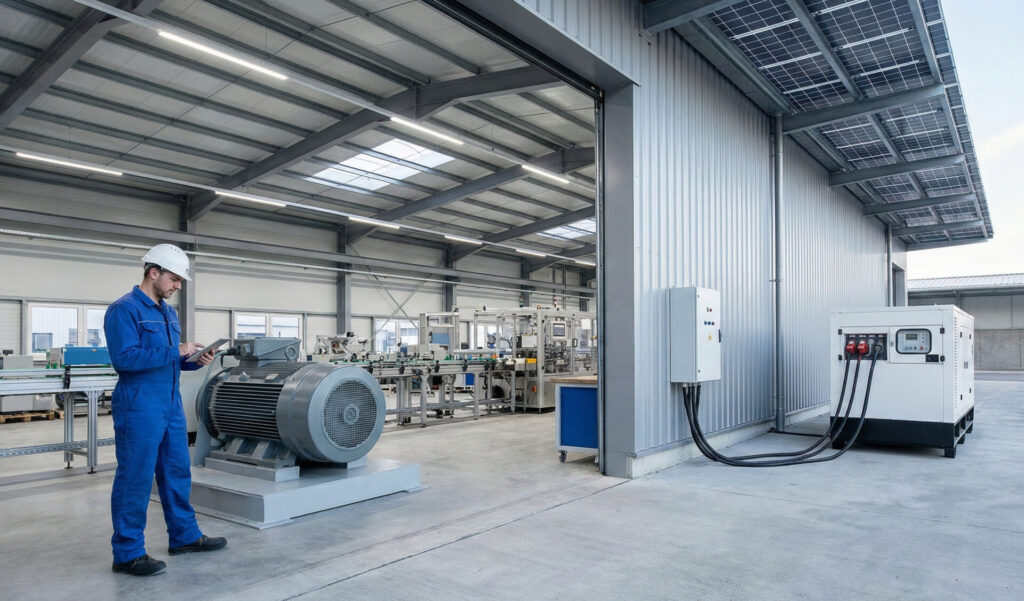
Energy efficiency is crucial for industries aiming to cut waste without sacrificing productivity. Transitioning to low-carbon models is now a strategic necessity for financial health.
Planned use of temporary sources aligns operations with actual demand, avoiding costs from idle power. The current landscape requires managers to focus on smart load distribution, beyond basic measures.
How to practically enhance energy efficiency in industrial operations?
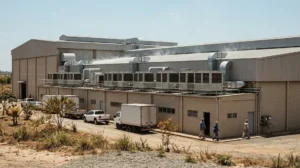
Boosting energy efficiency involves updating processes and replacing outdated equipment with higher-performing technologies. The first step is identifying energy leak points through monitoring.
Compressed air systems and electric motors are often the biggest energy consumers. Keeping these components well-maintained prevents excess consumption for the same output.
Using control systems also makes a difference. They adjust machine operations to current needs, eliminating standby consumption.
- Replacing old motors with high-efficiency models.
- Using LED lighting throughout the industrial plant.
- Installing frequency inverters in pumping systems.
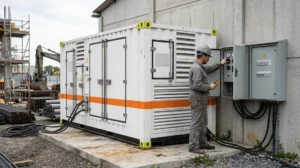
- Renting modern generators to meet peak demands.
According to guidelines from the federal government and Procel, efficiency in Brazilian industries can lead to up to 30% savings on bills. This shows the impact of effective management on a company’s bottom line.
Why is energy auditing the first step to success?
Energy auditing pinpoints exactly where money is being wasted and highlights priority infrastructure improvements. Without this diagnosis, any technology investment may be misdirected or underutilized.
It checks transformer conditions, wiring quality, and consumption profiles for each sector. The extracted report serves as a guide to eliminate bottlenecks and optimize demand contracting.
Data collection and analysis aid the operations team in decision-making. Transparency in numbers is the foundation for any cost-cutting strategy.
Often, audits reveal that the biggest expense is due to simple thermal insulation failures, for example. Fixing these issues reduces the load on HVAC systems.
This data-driven management helps avoid billing surprises at month’s end. It should be repeated periodically to ensure efficiency is maintained over time.
How does temporary energy management cut costs during peak hours?
Temporary energy management allows shifting consumption away from the public grid during peak hours, when utility rates skyrocket. Using owned or rented generators during this time results in direct savings.
This strategy avoids penalties for exceeding contracted demand on the power grid. When the load exceeds the limit, the cost per excess kilowatt can be punitive for operations.
- Avoids paying higher rates during peak hours.
- Ensures stability against grid fluctuations during critical times.
- Allows the industry to maintain maximum production without inflating the bill.
Using backup generators during this period also protects sensitive equipment. Sudden voltage drops are common when the grid is overloaded, and temporary energy acts as a buffer.
Additionally, rental flexibility means the company pays only for what it uses. In months of lower production, there’s no idle asset generating maintenance and depreciation costs.
How is blockchain transforming the electric sector and efficiency?
Using blockchain in energy enables tracking electricity origins and ensures more transparent transactions between generators and consumers. This technology helps certify that consumed energy is genuinely clean.
It facilitates contract management in the free energy market. Automating transactions reduces human errors and administrative costs, making operations efficient.
Industries adopting these technologies gain real-time visibility over their consumption profiles. They can adjust production according to cheaper energy availability in the market.
The security provided by blockchain also attracts ESG-focused investors. Knowing exactly where each watt consumed comes from is a competitive edge in a world increasingly concerned with nature.
How to reduce carbon emissions with modern temporary energy?
Emission reduction occurs by using state-of-the-art generators equipped with modern gas treatment systems.
Working with machines that use technologies like biodiesel or high-performance engines ensures cleaner combustion, reflecting in the company’s emissions inventory.
- Using engines with international low-emission certification.
- Adopting fuels less harmful to the environment.
- Rigorous maintenance to prevent fuel waste due to mechanical failure.
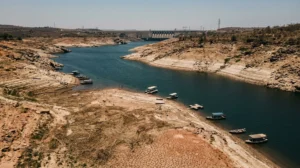
When industries use temporary solutions to complement their matrix, they help relieve the national grid. This is crucial during water scarcity periods when the grid relies on thermal power.
Sustainability doesn’t have to be an additional cost. With proper planning, it becomes a tool for long-term financial and operational optimization.
Why is efficient cooling important in data centers and industries?
Poorly sized cooling systems are major culprits of energy waste in controlled environments. Renting chillers, for instance, is a solution to maintain ideal temperatures without overloading the grid.
Modern cooling equipment consumes significantly less than models from a decade ago. They use refrigerants that are less harmful to the ozone layer and have more efficient compressors.
During hot periods, the internal cooling network may not meet demand. That’s when temporary energy and infrastructure ensure servers and machines don’t overheat.
Thermal control also extends the lifespan of electronic components. Avoiding heat spikes is a way to save on asset replacement.
The modularity of these systems allows industries to grow without needing to overhaul the entire air conditioning system. Simply add temporary capacity as the plant expands.
How does a load bank ensure your energy system’s health?
Using a load bank allows testing generators and UPS systems at their full capacity without risking production, ensuring the system will respond correctly in an emergency.
Testing systems with low load can cause mechanical issues in engines, like internal carbonization. The load bank ensures the engine operates at ideal temperature and pressure during tests.
- Verification of the actual capacity of batteries and generators.
- Prevention of catastrophic failures during power outages.
- Optimization of engine performance for maximum fuel efficiency.
These tests are vital for industries with critical processes that cannot stop. Ensuring temporary energy will kick in with 100% effectiveness is a matter of survival.
Besides safety, the load bank helps identify if the generator is operating outside the efficiency curve, allowing for reduced diesel consumption during actual use.
What can Tecnogera do for your operation today?
The pursuit of a more competitive and sustainable industry inevitably involves intelligent energy application.
Our temporary energy and cooling solutions can optimize your metrics, as we pay attention to every management detail that impacts net profit.
Want to discover how our solutions can transform your industrial plant’s energy profile? Contact Tecnogera’s team of experts and request a technical feasibility study for your operation.
Frequently Asked Questions (FAQ)
- What is the difference between conservation and energy efficiency?
Conservation focuses on reducing service use to save energy. Energy efficiency uses technology to perform the same work with less resource consumption.
- How does ISO 50001 help with industrial energy efficiency?
This international standard provides a framework for companies to establish systems and processes to improve energy performance.
- Is it worth renting generators to reduce permanent costs?
Yes, especially for companies needing extra seasonal power or facing high peak-hour rates.