High temperatures, combined with increased tourist activity in certain regions of the country, trigger a warning for energy distributors and entities like the National System Operator (ONS). The sudden surge in demand during festive seasons requires backup infrastructure to be ready to act.
In this scenario, anticipating technical challenges through controlled simulations with load banks is the best strategy to prevent blackouts and losses. This procedure validates the generator’s actual capacity, ensuring that power supply remains stable and secure during peak consumption.
Why Load Testing Before High-Demand Periods is Essential
Periods of high energy demand, such as the Brazilian summer, create a high-pressure scenario for electrical systems, combining intense air conditioning use with increased commercial activity. Industry data indicates that energy demand in tourist areas can rise by up to 15% in months like December and January, increasing the risk of overload on the public distribution network.
In this context, the power generator becomes crucial to prevent interruptions that cause financial losses and compromise safety.
And for generators to function properly, using load banks for testing is the most effective way to ensure the backup will respond promptly. This procedure simulates real demand conditions, revealing hidden faults that might go unnoticed in conventional preventive maintenance.
Identifying Faults Before Actual Operation
Using load banks for testing allows for the identification of latent faults that do not appear in simple no-load startups. Issues such as those affecting the cooling system are detected early, preventing unexpected shutdowns during high-demand periods.
By simulating real demand, it’s possible to correct wear in internal components before they cause operational failure. This early diagnosis prevents unscheduled maintenance shutdowns.
Ensuring Performance During High-Demand Moments
Using load banks for testing ensures that the generator supports its rated capacity without voltage drops. This is crucial to protect sensitive equipment, such as servers and air conditioning systems, which suffer from electrical fluctuations.
During periods of high temperatures, where energy consumption rises, backup stability is vital. The test ensures that the generator set maintains a constant frequency, even when large motors are activated simultaneously.
Having a technical performance report provides predictability for electrical infrastructure managers, and validating performance under maximum demand is the only way to ensure the generator won’t be overloaded by an unexpected requirement.
Reducing Risks for Teams, Clients, and Operations
When the protection system is tested under controlled high electrical load conditions, operational safety is also increased. This significantly reduces the chances of fires due to overload or short circuits in the internal connections of the backup equipment during use.
When the generator undergoes rigorous thermal and electrical performance checks, teams and clients are not exposed to risks. And reducing risks is a civil responsibility strategy for any company. Preventive maintenance of generators acts as insurance against incidents.
Planning Load Tests for Generators
The success of a load test depends on a well-structured technical plan focused on the reality of the electrical installation. It’s not enough to just turn on the equipment; it’s essential to plan how the energy will be dissipated with total safety and technical efficiency.
A detailed plan, carried out by a specialized team, minimizes the impact on the establishment’s routine and ensures accurate data for managerial decision-making. Following current technical standards ensures that the test reflects the most extreme conditions the system will face during its usage period.
Correct Sizing of the Load to be Tested
For better sizing, the first step is to calculate the total load the generator will need to assume in case of a utility grid failure. It’s recommended to test the equipment at different levels, such as 50%, 75%, and 100% of its capacity to verify the gradual response.
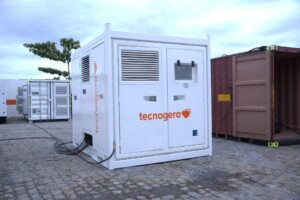
Load banks are used to simulate this demand precisely, without risking the internal electrical network. This sizing prevents the generator from being underutilized or overloaded, maintaining the mechanical and electrical integrity of all components.
An incorrect calculation can mask performance issues that would only appear when actual use is needed. Therefore, specialized technical consulting evaluates all consumption points to ensure the load bank test is successful.
Preparing Equipment and Test Environment
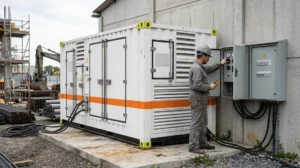
Before starting the procedure, it’s essential to check the levels of lubricating oil and coolant. The location where the load bank will be installed must be isolated and have adequate ventilation to dissipate heat.
Electrical connections should be inspected to avoid hot spots or poor contact during high current passage. Good organization of the test environment prevents accidents and ensures technicians have free access to emergency controls.
Preparation also includes checking power cables, which must have the correct gauge for the requested load. A well-prepared environment reflects preventive generator maintenance executed with professionalism and a focus on safety.
With 19 years in the market, Tecnogera has highly qualified specialists to conduct all tests safely and efficiently.
Monitoring Procedures and Recording Results
During load tests, it’s vital to monitor parameters such as frequency and voltage. Fluctuations outside technical standards indicate the need for immediate adjustments to the voltage regulator or engine.
Recording results in an official technical report validates the electrical system’s reliability for audits and insurance. These records serve as a historical basis to compare the generator’s behavior over the years and predict future maintenance.
Safety: Protecting People and Equipment
Safety during electrical tests is a fundamental pillar to protect various structures and the physical integrity of the people involved. Handling high energy loads requires strict protocols and appropriate personal protective equipment for the entire technical team present.
Test environments must be well signposted, especially those with high foot traffic. Therefore, isolating the area and strictly following the operation manual is an indispensable conduct.
Operation by Trained and Qualified Team
Only qualified professionals should conduct load bank tests on generators due to the complexity of the electrical magnitudes involved. Qualified technicians know how to interpret subtle signs of engine fatigue that would go unnoticed by untrained operators.
Specific training ensures that the team will know how to act quickly in the face of any anomaly during the maximum load process. Technical knowledge protects the equipment from incorrect maneuvers that could cause permanent damage.
Relying on specialists for test execution provides the necessary operational safety to validate complex energy systems. Technical expertise ensures that generator preparation occurs without incidents.
Signaled and Safe Test Area
Isolating the area where the load bank is operating prevents unauthorized people from approaching energized components. Warning signs and physical barriers are mandatory items to maintain organization and safety during tests.
Since load banks generate a significant amount of heat, it’s necessary to keep flammable materials away from the operation perimeter. Proper signage guides the flow of people and vehicles, minimizing external interferences that could affect test accuracy.
The organization of the workplace reflects the company’s commitment to occupational safety standards. A safe area allows technicians to focus exclusively on data collection and the mechanical behavior of the generator set.
Emergency Shutdown Procedures
Every test must have a clear protocol for immediate shutdown in risk situations or mechanical failure. The emergency stop button must be visible and accessible to all operators involved in the technical activity.
Knowing how to ensure safe operation with load banks involves training the team for quick responses in adverse scenarios. If overheating or excessive vibration occurs, the load interruption must be coordinated to protect the engine.
After an emergency shutdown, a technical inspection must be conducted to identify the cause before restarting any test. Having clear safety procedures prevents material losses and ensures that preventing technical failures is the primary goal.
Reliable and Smooth Operation During High-Demand Periods
A manager’s peace of mind at the end of the year is directly linked to the reliability of their energy support systems. Investing in load tests transforms operational uncertainties into a robust structure ready for any grid fluctuation.
At the end of the testing process, what is delivered to the client is the assurance that the operation will not be interrupted.
Benefits of Load Testing for Generators
Load bank tests on generators promote internal engine cleaning, eliminating fuel residues. This improves combustion efficiency, reduces smoke emissions, and optimizes diesel consumption during use.
Another direct benefit is the validation of the automatic transfer system, which should activate the backup without human intervention. Testing this automation ensures that the transition between the grid and the generator is seamless for end users.
Guarantee of Continuity, Safety, and Efficiency
The continuity of operations in hospitals, hotels, malls, and industries depends on an energy system that does not present significant fluctuations. Load bank tests ensure that the transition from the grid to the generator occurs without failures or delays.
Fuel consumption efficiency is also optimized when the generator is rigorously maintained and tested. An efficient system emits fewer pollutants and operates more quietly, which is crucial during high-demand periods and special events.
Ensuring the lights stay on is the greatest return that preventive planning can offer.
Guaranteed Efficiency and Productivity in the Peak of Summer
The Brazilian summer, always marked by high temperatures, requires cooling systems to operate at their maximum capacity to ensure productivity and comfort. In construction sites and industries, excessive heat can reduce machine efficiency and worker well-being, directly impacting productivity.
Maintaining a climate-controlled environment is not just a matter of comfort but of maintaining large-scale operational quality. Stable energy systems allow air conditioners to function without interruptions, protecting health and project delivery.
Benefits of Proper Climate Control on Construction Sites
A work environment with controlled temperature increases employee concentration and reduces the risk of accidents caused by thermal fatigue. On construction sites, climate control of offices and living areas is essential to maintain operations.
Well-tested generators ensure that large-scale air conditioning systems operate continuously, even in high temperatures. Productivity increases when the team has infrastructure that prioritizes well-being during intense work shifts.
Besides human comfort, climate control protects precision electronic equipment and servers that cannot tolerate high temperatures. Having guaranteed energy for cooling is a determining factor to avoid delays and material losses in critical projects.
Guarantee of Comfort, Safety, and Operational Quality
The quality of operation in events and industries during summer depends on the stability of the electrical current powering refrigeration compressors. Supply failures can cause these systems to shut down, quickly leading to thermal discomfort and productivity loss.
With load tests conducted, the client has the assurance that the generator will support the startup peak of air conditioning motors. This operational robustness prevents voltage drops that damage internal components and generate unexpected costs with air conditioner maintenance.
Investing in energy security is the shortest path to efficient and seamless operation during the hottest months of the year. Technical reliability ensures that, regardless of external heat, the internal environment will remain productive, safe, and welcoming.