The use of Big Data in energy is revolutionizing the power sector by enabling companies to monitor assets with unprecedented accuracy. In an era where digitalization is advancing, massive data analysis turns raw records into efficiency strategies. This allows for predicting bottlenecks and ensuring operational continuity.
Statistics show that data analysis can cut maintenance costs by up to 30% and prevent unplanned outages, thus avoiding productivity losses and large-scale damages.
By integrating sensors and Machine Learning, managers gain complete visibility over the condition and performance capacity of equipment. This approach is the foundation for modern and resilient energy security.
Big Data and Energy: How Data Helps Reduce Operational Failures
The power sector is undergoing a profound transformation driven by the digitalization of grids. The integration of sensors and smart meters generates a constant flow of information that provides a detailed view of the behavior of power generators and transmission systems in real time.
The complexity of operations requires tools that are more comprehensive than conventional human analysis. In this context, the use of data intelligence ensures the continuity of supply even under high demand conditions, protecting infrastructure from various types of damage.
Trust in the electrical system depends on the ability to turn these records into practical actions. By adopting an evidence-based approach, companies can optimize energy security, reducing operational costs and preventing unexpected stoppages in production processes.
The transition to smart grids is the driving force behind this change. This movement allows utilities and industries to use data analysis in the power sector to balance supply and demand, promoting a stronger system.
What is Big Data and Why is it Strategic for the Energy Sector
Big Data represents the processing of large volumes of information at high speed and variety. In the power sector, it is strategic because it allows managers to understand consumption patterns and predict fluctuations that could impact grid stability.
The value of this technology lies in its ability to extract intelligence from heterogeneous sources. By analyzing five topics, known as the 5 Vs (volume, velocity, variety, veracity, and value), the system identifies invisible risks, making asset management a scientific and precise task.
The difference between raw data and analyzed data is what defines the success of the operation. While isolated records are just numbers, processing via Machine Learning reveals trends in failures and wear in parts, allowing maintenance to be performed at the exact moment, without waste.
What Data is Generated in Energy Systems
Data generation in modern systems occurs continuously through sensors and measurement units. These devices capture electrical and mechanical signals that serve as the “DNA” of the operation, allowing a complete diagnosis of the health of generators and transformers.
The integration of this information creates a centralized repository that feeds high-precision mathematical models. With these records, it is possible to simulate scenarios and understand how different variables affect the global energy efficiency of an industrial plant.
Operational Data
Monitoring fuel consumption and load is basic but essential for cost control. Modern sensors also record voltage and frequency in milliseconds, ensuring that any fluctuation is detected before causing a short circuit or loss of efficiency.
Thermal and mechanical parameters, such as temperature, vibration, and pressure, indicate the stress on internal components. Monitoring this operational data allows the system to automatically adjust performance, keeping the machine operating at its maximum efficiency.
Telemetry data allows managers to track the performance of entire fleets of generators remotely. This visibility is crucial for reducing operational failures, as it centralizes technical control and facilitates the standardization of field interventions.
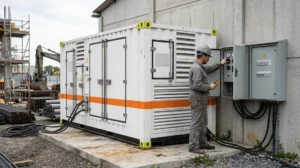
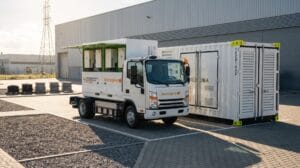
At Tecnogera, telemetry is a major ally. With a fleet composed of thousands of pieces of equipment, including generators, transformers, load banks, and a myriad of accessories installed throughout Brazil, remote monitoring is a strategic advantage and ensures greater safety for clients and work teams.
Maintenance Data
The history of failures correlated with service orders allows for the calculation of the Mean Time Between Failures (MTBF). With Big Data, managers move beyond fixed schedules to act based on actual wear observed in usage cycles.
Analyzing maintenance records reveals which components experience the most stress in certain applications. This allows for the customization of parts inventory and optimization of logistics, ensuring that business continuity is never compromised due to a lack of replacements.
By using Big Data in generators, companies can identify anomalies that precede breakdowns. This layer of intelligence protects the investment in assets and reduces the cost of emergency repairs, which tend to be much higher.
Environmental and External Data
Weather is one of the variables that most impact the stability of electrical systems. Ambient temperature and humidity data are cross-referenced with the energy usage profile to predict how the equipment’s cooling system should behave.
Geographical location and atmospheric conditions help plan supply and maintenance logistics. In regions of extreme heat, for example, smart energy monitoring adjusts safety alerts to prevent backup generators from overheating.
Understanding external behavior allows companies to anticipate demand peaks on seasonal dates. The use of data and energy efficiency helps to correctly size the necessary power, avoiding fuel waste and ensuring delivery.
How Big Data Helps Reduce Operational Failures
The application of machine learning algorithms to databases allows for automated risk identification. This technology not only detects errors but also suggests load adjustments to balance the system, promoting sustainable energy management.
Reducing human errors is another direct benefit of analytical automation. With systems that process millions of events per second, decision-making becomes faster, allowing failures to be contained in their early stages without causing a domino effect.
The use of these tools elevates the level of energy security in sensitive sectors, such as hospitals and data centers. The predictability generated by the data ensures that the contingency system activates with total reliability whenever there is a failure in the main grid.
Real-Time Monitoring
The ability to observe the grid in real time allows for the identification of pattern deviations the moment they occur. Automatic alerts are sent to technical teams, detailing the nature of the occurrence and speeding up the diagnosis of electrical issues and decision-making.
Modern monitoring systems use intuitive interfaces that simplify the interpretation of complex data. This allows even non-technical managers to understand the plant’s situation, promoting a culture of energy efficiency throughout the organization.
Continuous monitoring is what enables the application of the “digital twins” concept. By creating a virtual replica of the energy system, engineers can test changes and predict load behavior without risking the real physical operation.
Predictive Maintenance
Predictive maintenance with data is the evolution of asset care. Through models that analyze degradation trends, the system indicates the probability of a component failing in the coming days or weeks, allowing for a scheduled and safe shutdown.
This approach eliminates the need for unnecessary preventive maintenance based solely on usage time. The result is direct savings in parts and labor, as well as ensuring the maximum availability of the energy system for the client.
Data-driven maintenance can significantly reduce operational costs. By preventing unexpected breakdowns, the company eliminates losses from production downtime, reinforcing the importance of Big Data in energy for profitability.
Root Cause Analysis
When a failure occurs, Big Data allows for tracing back through records to find the exact event that initiated the problem. This identification of recurring patterns prevents the team from merely “putting out fires,” focusing instead on the definitive solution to the technical error.
Data-based structural problem correction prevents intermittent failures from continuing to drain company resources. With statistical support, it is possible to differentiate an operational error from a manufacturing defect or natural system wear.
This in-depth analysis generates performance reports that serve as a basis for future expansions. With data intelligence, the company learns from its own mistakes and successes, building an increasingly robust and reliable energy infrastructure.
Big Data Applied to Generators and Energy Systems
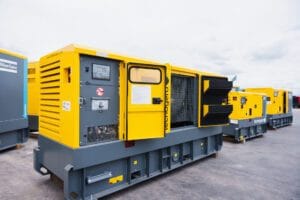
The practical application of Big Data in industrial generators turns these devices into smart, internet-connected equipment. This allows energy solution companies to offer remote monitoring services that provide greater security to the client.
The integration with IoT and sensors enables each generator to report its oil status, temperature, and battery charge in real time. This connectivity ensures that backup equipment is always in perfect condition to operate in emergencies.
In the rental of power generators, the use of data allows for optimizing maintenance routes and developing tailor-made projects aligned with client demand. Tecnogera utilizes these technologies to deliver efficiency and safety, ensuring that its clients’ operations never stop due to a lack of power.