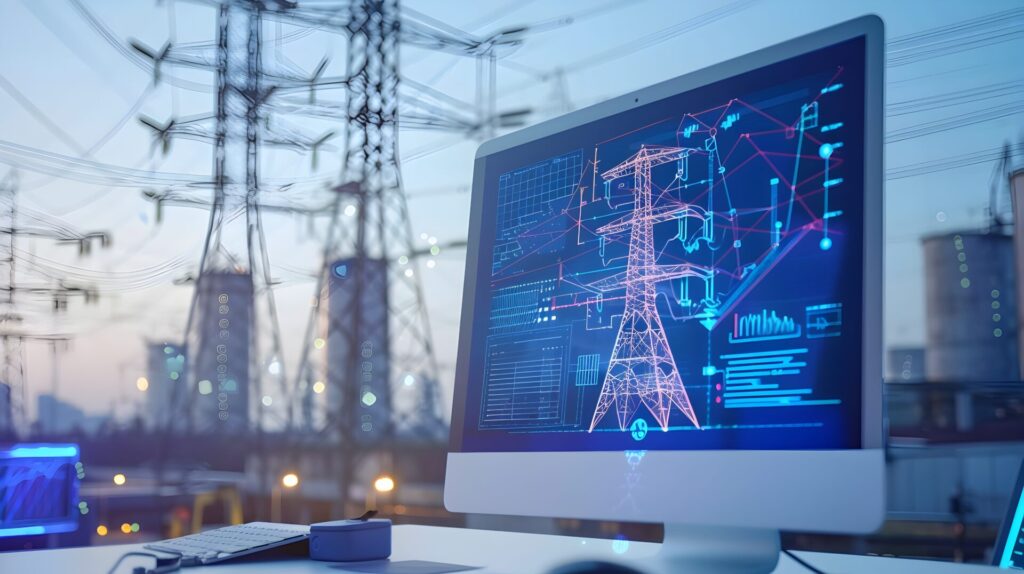
Digital transformation is profoundly reshaping the Brazilian electric sector, enhancing efficiency, sustainability, and operational safety.
In an era of energy transition, integrating technology with infrastructure is crucial to ensure a smarter, more connected, and resilient system.
This shift is not just about modernization but survival and competitiveness in response to new market and societal demands.
In Brazil, the digital transformation of the electric sector has had direct impacts on operations, real-time monitoring, and energy consumption optimization.
With the growing adoption of automation, IoT, and smart grids, companies are cutting costs, predicting failures, and improving energy supply.
This is a true technological revolution redefining the role of utilities and system operators.
What Digital Transformation in the Electric Sector Means and Why It’s Inevitable
Digital transformation in the electric sector involves integrating digital technologies to automate processes, collect and analyze data, and enhance grid management.
It includes everything from smart sensors and meters to cloud platforms capable of interpreting large data volumes.
With these tools, it’s possible to predict demand peaks, detect faults, and respond swiftly to unexpected events, minimizing disruptions.
This transformation is inevitable because the traditional model of energy generation and distribution no longer meets the modern world’s demands.
Decentralized generation, driven by renewable sources like solar and wind, requires a more flexible and responsive system.
Moreover, the impact of digital transformation extends beyond operations: it also affects consumer relationships, as today’s consumers seek more transparency and control over their usage.
Another key point is the advancement of decarbonization and energy efficiency policies. Automation and the use of smart grids have become strategic allies in reducing losses and increasing system reliability, making digital transformation a national and global priority.
Key Technological Trends Shaping the Sector
The digital transformation of the electric sector is driven by a series of technological trends shaping the future of energy.
Among the most significant are the Internet of Things (IoT), Artificial Intelligence (AI), Big Data, and energy storage solutions.
These innovations enable real-time grid management, with more accurate forecasts and data-driven decision-making.
Smart grids, or intelligent power networks, are a cornerstone of this revolution. They connect consumers, generators, and operators through sensors and digital systems, creating two-way communication and promoting more balanced and efficient distribution.
Another important advancement is the use of IoT, which enables remote asset monitoring, facilitating predictive maintenance and preventing critical failures.
The impact of digital transformation is also evident in the greater integration of energy sources and companies’ adaptation to the demands of an increasingly digital market.
Data analysis and automation of processes ensure more predictability and flexibility, essential characteristics for a sector that must handle increasing operational complexity and the intermittency of renewable sources.
How AI, IoT, and Data Analysis Drive Operational Efficiency
The combination of AI, IoT, and data analysis is one of the most powerful drivers of digital transformation in the electric sector.
Artificial intelligence, for example, allows companies to make accurate consumption forecasts and detect anomalies before they become serious issues.
Meanwhile, IoT connects devices and sensors, creating a network capable of providing real-time information on equipment performance.
These technologies directly contribute to operational efficiency, reducing costs and increasing grid reliability.
Data analysis, in turn, transforms raw information into strategic insights, guiding decisions on maintenance, investments, and demand planning.
Smart grids play a fundamental role in this context, integrating all these solutions into a digital and dynamic ecosystem.
Automation also stands out by simplifying repetitive processes and freeing teams for higher-value activities.
Together, these innovations strengthen energy companies’ ability to meet future demands, a future that is increasingly digital, sustainable, and connected.
Tecnogera’s Role in the Digital Transformation of Energy
Tecnogera is at the forefront of the digital transformation of energy, offering comprehensive and innovative solutions to meet the country’s energy generation and management demands.
The company has been incorporating the latest technologies into its processes, helping its clients achieve unprecedented levels of efficiency and sustainability.
Focusing on digital transformation and technological integration, Tecnogera uses automation, smart grids, and IoT tools to enhance energy control and distribution.
This approach provides a complete view of the electrical system, from generation to consumption, ensuring greater reliability and reducing environmental impacts.
The company’s efforts demonstrate how the impact of digital transformation can yield tangible benefits, both for internal operations and the sector’s overall development.
Tecnogera also continuously invests in innovation and strategic partnerships to accelerate the transition to a smarter energy model.
By combining technology and expertise, the company solidifies its role as a leader in sustainable and digital solutions in the energy sector.
Want to know how Tecnogera can support your company on the journey to digital transformation in the electric sector? Contact us.