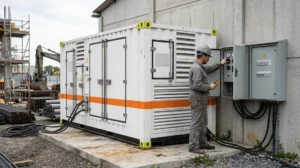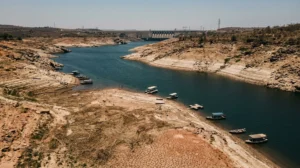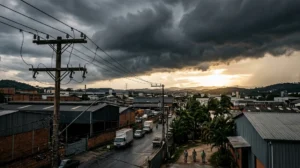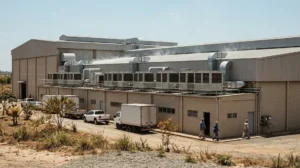
If you work with industrial operations, you know that energy is an essential input to keep everything running. You also know that, at many times of the year, the demand for this resource increases significantly.
Therefore, energy planning focused on seasonality is so important. It’s a strategy that anticipates variations and avoids surprises during periods of higher consumption.
More than just a good practice, this type of planning is a necessity for companies that want to remain competitive, sustainable, and secure.
In this article, we will show why understanding seasonality is so important, how to anticipate critical scenarios, and which tools to use to ensure energy efficiency throughout the year.
Why seasonality impacts energy so much in the industry
The demand for electricity is not constant. It varies according to factors such as climate, production volume, holidays, market changes, and consumer behavior.
In the industry, these factors are amplified, and a demand peak can represent anything from an increase in operational costs to the risk of shutdowns due to overload.
Some practical examples:
- Summer or intense heat: sectors that rely on refrigeration or air conditioning suffer from increased electricity consumption. This directly impacts the energy bill and the stability of the internal network;
- Seasonal dates (such as Black Friday or Christmas): in the consumer goods and logistics industry, there is a significant increase in production and work shifts;
- Harvest cycle in agribusiness: there are times when the use of equipment for irrigation or product processing intensifies.
These peaks not only affect how much is consumed, but also how energy is consumed. An uncontrolled demand during peak hours, for example, can lead to fines, higher rates, and risk of failures operational.
Ignoring these variations and not knowing how to plan energy for high industrial demand compromises the business’s energy efficiency. The result: unnecessary costs, production bottlenecks, and environmental impacts that could be avoided with good planning.
How to anticipate and plan energy use during critical periods
The first step to dealing with the impacts of seasonality on energy consumption is knowing when they occur. The second step is knowing how to prepare in advance.
This requires a strategic view of the operation as a whole and a proactive approach to energy management.
1. Mapping critical periods
Each sector has its specific seasonalities. It is important to understand the energy behavior of your operation throughout the year, identifying the months, weeks, or days when consumption tends to rise.
This mapping allows aligning production with energy capacity and avoiding overloads or waste.
2. Setting goals and indicators
Planning without indicators becomes guesswork. Set consumption goals for different periods and monitor indicators such as:
- Consumption per unit produced;
- Load factor and contracted vs. utilized demand;
- Energy efficiency by area or equipment.
This data helps identify improvement points and justify investments in technology or training.
3. Partnerships with specialists
Having the support of experienced energy management partners makes all the difference. They offer an in-depth technical view, conduct comprehensive diagnostics, and help implement tailored solutions for your reality.
Additionally, these specialists assist in negotiating with suppliers, reviewing contracts, and structuring alternatives such as distributed generation or renewable energy.
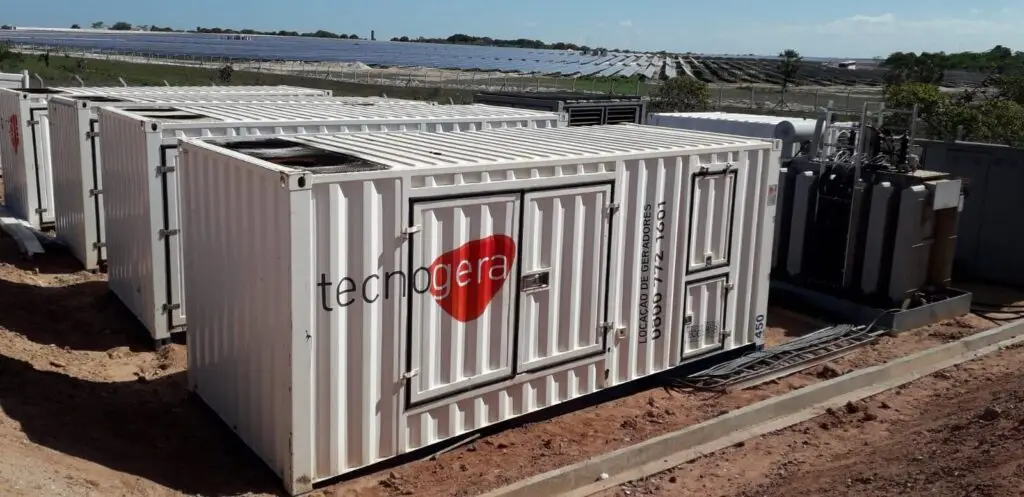
The Tecnogera, for example, has been operating since 2006 with excellent differentiators to assist in energy planning strategies for industries, balancing energy and peak consumption periods.
Tools and data for effective energy planning
Technology and data are strategic allies when making energy decisions. Evidence-based planning is more accurate, reduces risks, and increases the company’s responsiveness during critical moments.
Consumption monitoring and seasonal histories
Smart metering systems allow real-time consumption tracking and generate detailed reports by sector, machine, or period. With this data, it is possible to:
- Identify consumption patterns and bottlenecks;
- Quickly correct operational deviations;
- Compare performance over the years to understand seasonal impacts.
Companies that closely monitor their energy indicators make faster decisions with a smaller margin of error.
Demand forecasting and scenario analysis
Energy forecasting tools use historical data and external variables (such as weather or market trends) to project future demand behavior.
This allows for simulating different scenarios (such as a hotter than usual summer or an unexpected surge in orders) and creating contingency plans for each. This approach avoids reactive decisions and improves risk management.
Best practices to avoid waste and ensure stability
In addition to planning, action is required. Effective energy management depends on a series of best practices that should be part of the company’s routine. Some of the most important include:
1. Employee education and engagement
The entire team must understand the importance of energy to the business and how their actions impact consumption. Internal campaigns, training, and shared goals help create a culture of conscious use.
2. Automation and equipment modernization
Old or poorly regulated equipment consumes more energy and is less efficient. Investing in automation and technologies with energy efficiency certification reduces consumption and improves operational performance.
3. Preventive maintenance
Failures in motors, refrigeration systems, or electrical panels can increase consumption without being noticed. Preventive maintenance ensures everything operates stably, especially during peak usage periods.
4. Diversification of the energy matrix
Betting on alternative sources, such as solar energy or biogas, can be a smart way to reduce dependence on the conventional power grid. This brings more predictability and security, especially during times of scarcity or high tariffs.
5. Contractual and tariff management
Many companies pay more than they should due to a lack of review in supply contracts or ignorance of applicable tariffs. With technical support, it is possible to renegotiate clauses, choose the most suitable tariff model, and avoid penalties for demand overrun.
Conclusion: energy under control, sustainable results
Planning energy use based on seasonality in the industry goes beyond just knowing how to prepare for peaks in energy consumption; it ensures operational continuity, avoids waste, and makes the company more resilient in the face of market uncertainties.
With data, technology, and strategic partners like Tecnogera, it is possible to turn energy into a competitive advantage. And the best part: with predictability, security, and sustainability.
Want to better prepare for the upcoming periods of high industrial energy demand?
Talk to our specialists and find out how to create an efficient energy plan for your company with the best equipment.
Read also: heat waves and increased energy consumption