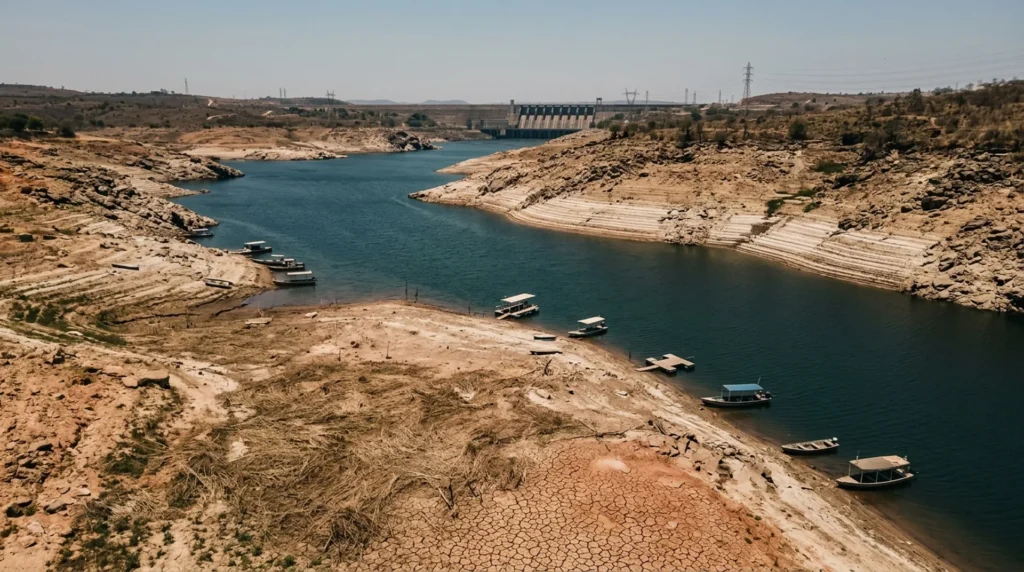
Brazil generates most of its energy from water. This makes the Brazilian electric system sensitive to anything that changes the rainfall pattern, and that’s exactly what El Niño and La Niña do.
For decision-makers within a company, these names stop being a meteorological topic when they appear on the energy bill and the risk of interruption. Follow along to understand the path from an ocean phenomenon to your operation’s cost.
What are El Niño and La Niña
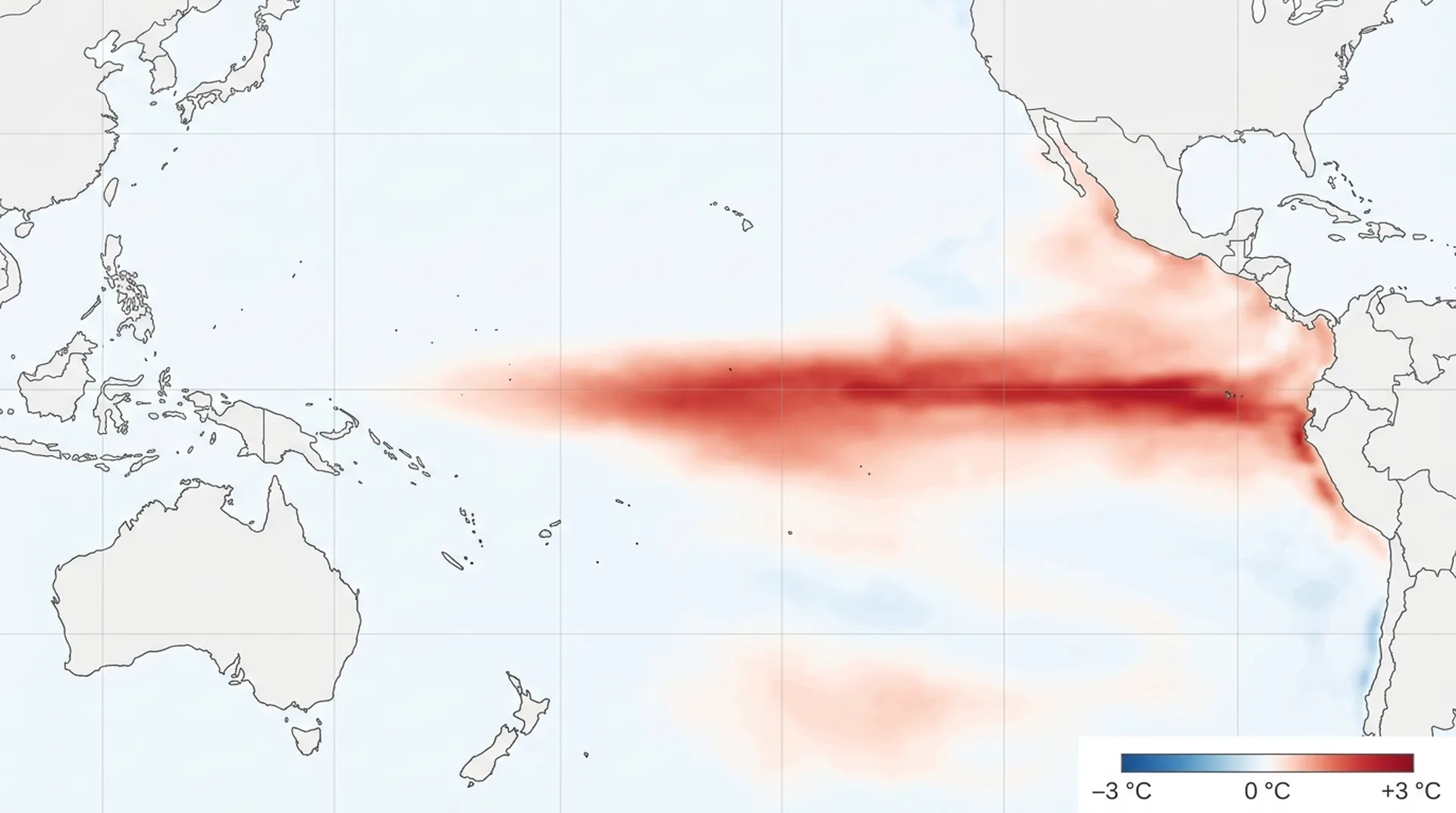
Both are phases of the same natural cycle, linked to the surface temperature of the Pacific Ocean.
- **El Niño** occurs when the equatorial Pacific waters become warmer than average
- **La Niña** occurs when these same waters become cooler than average
Each phase alters atmospheric circulation and changes the distribution of rainfall across the planet. In Brazil, the effect is not uniform: the same phase can bring excessive rain to one region and drought to another, making interpretation more difficult.
The cycles last for months and alternate without a fixed periodicity. Between them, there are periods of neutrality when the climate pattern is closer to the historical average.
How these phenomena affect the Brazilian electric sector
The path from the ocean to the energy bill goes through four stages.
Rainfall pattern and reservoir levels
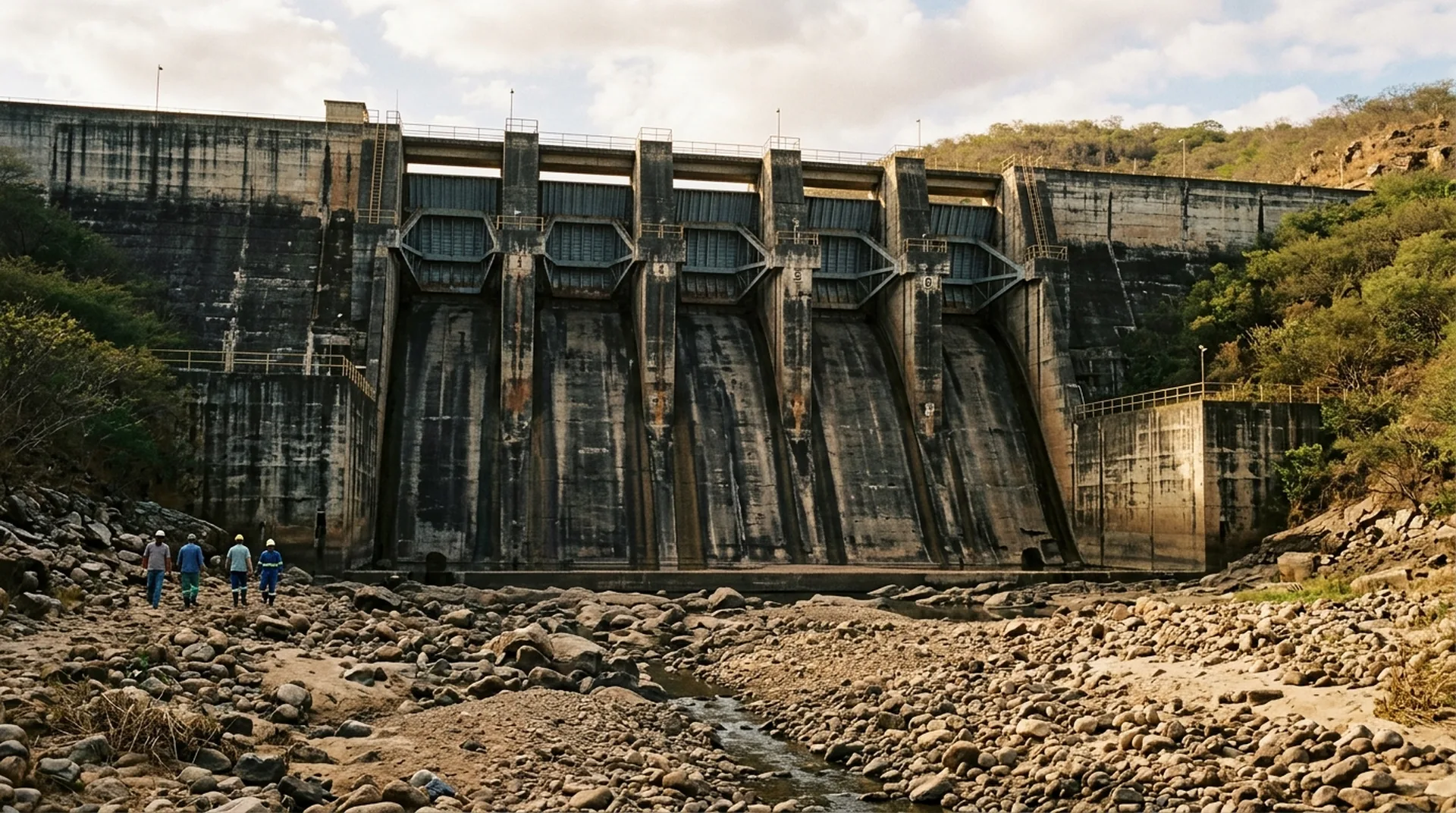
Hydroelectric generation depends on what is stored in the reservoirs. When it rains less than expected in the basins of the large plants, this volume decreases. And it doesn’t recover quickly: replenishing a reservoir depends on an entire rainy season, not just a good week.
Activation of thermal power plants
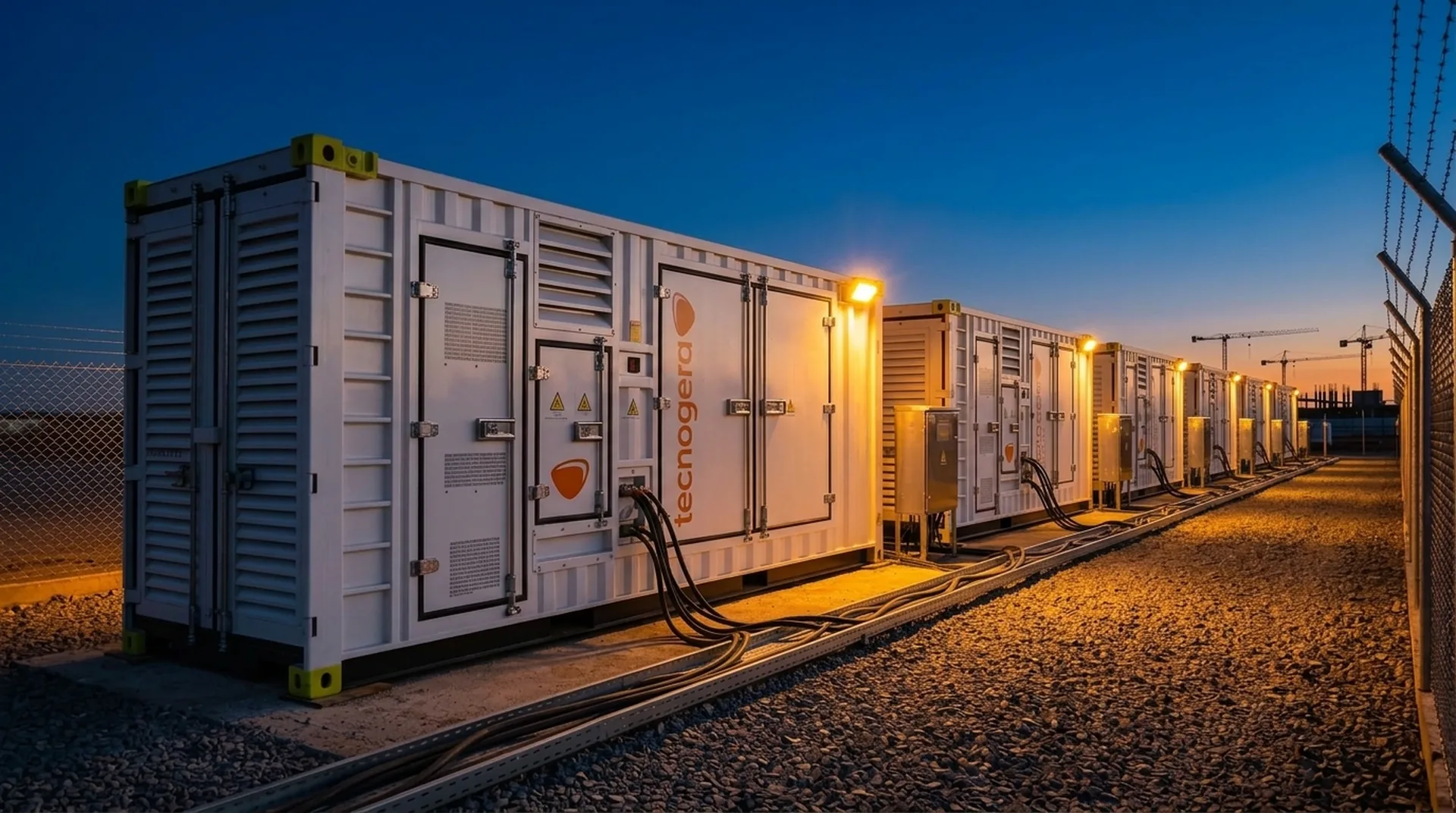
With low reservoirs, the system activates thermal plants to complete generation. They handle the supply. However, they run on fuel, which is much more expensive.
Energy cost for the consumer
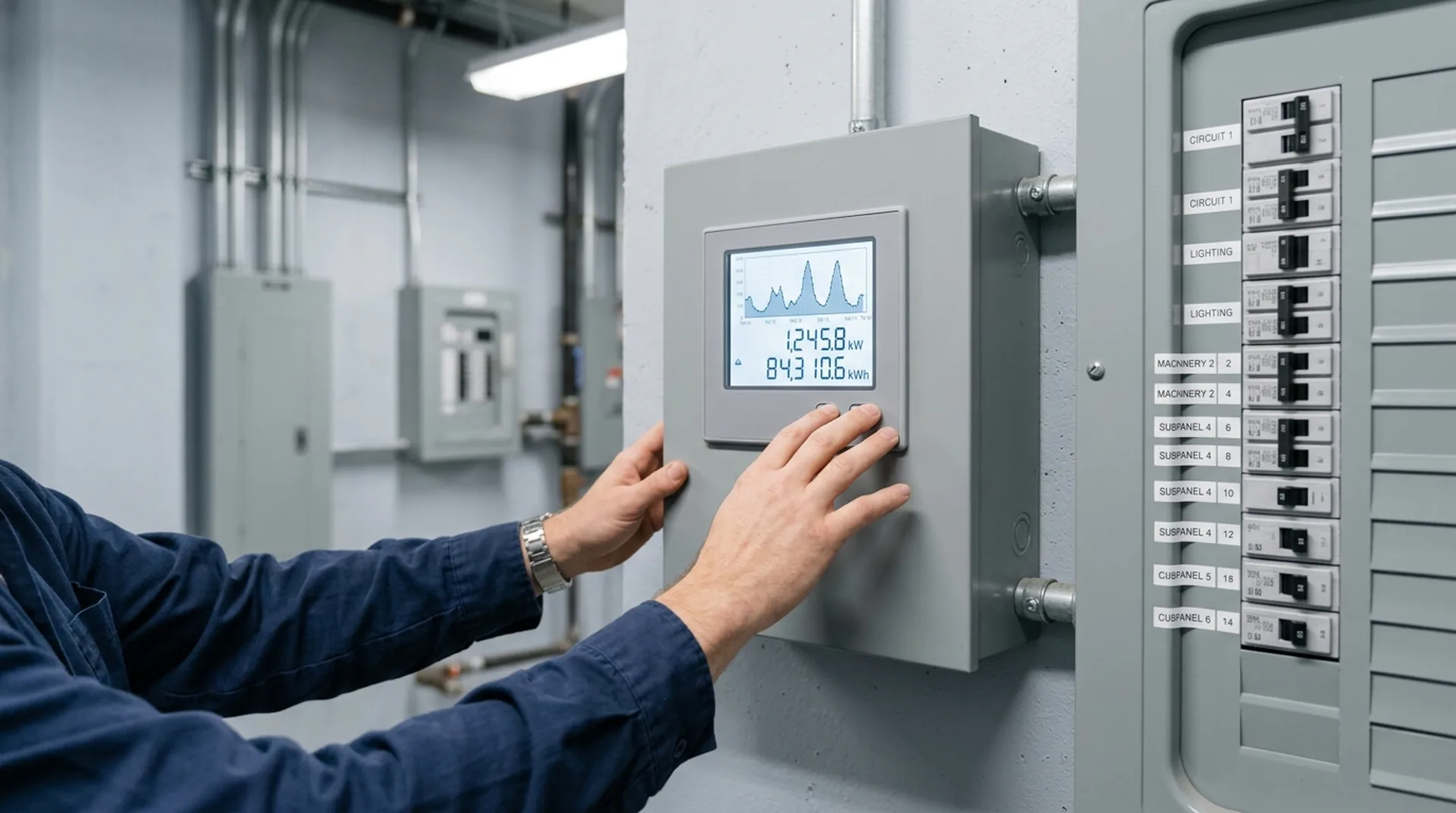
This higher cost reaches companies through tariff flags and market prices. This is where the climate phenomenon appears in the company’s expenses.
Distribution network stability
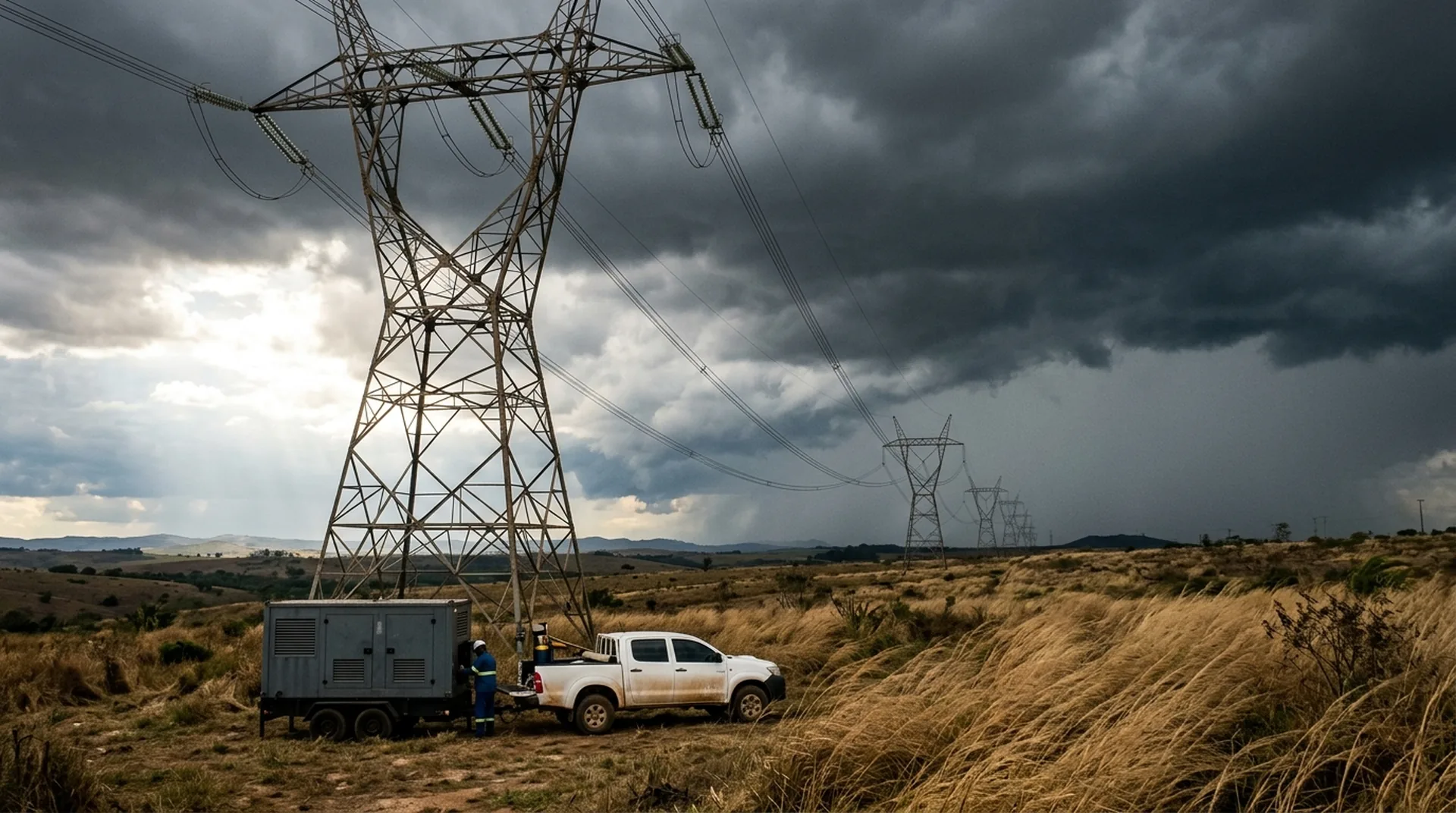
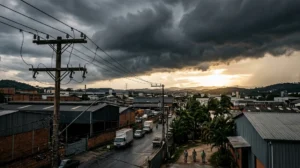
The phase of too much rain brings the opposite risk. Storms, gales, and flooding knock out distribution sections. Then there’s excess generated energy and a shortage of delivered energy.
What this means for your company’s operation
No company can accurately predict what the next phase will be or how long it will last. What can be done is to reduce exposure.
Treat energy as a variable cost, not fixed
A budget that treats energy as a fixed expense becomes detached from reality with the first tariff flag change. Monitoring consumption by period allows anticipating the impact, instead of discovering it on the bill.
Know your own consumption profile
Without knowing how much the operation consumes and at what times, planning remains guesswork. Systems of telemetry track this consumption and show where the peaks are.
Have an alternative supply
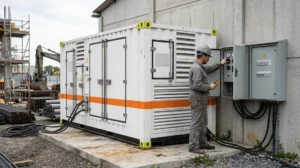
A company that cannot stop needs a ready response for when the network fails. The reason doesn’t matter, whether it’s the weather or anything else. Well-sized backup power covers the interruption just the same.
How this appears in practice
The relationship between water and energy appears directly in the service to SABESP, where Tecnogera provided a gas-powered thermoelectric plant for pumping water between reservoirs. It’s the type of operation where energy availability and water management are the same problem.
In oil and gas, service to a multinational stemmed from the high energy cost at a shipyard, and to a state-owned company, from the natural gas distribution operation in Espírito Santo. The three cases are described in the case page.
Plan by season, not by event
The advantage of these cycles is that they are monitored and announced in advance by official bodies. This allows for decisions to be made beforehand, during periods of lower demand, instead of contracting solutions in the middle of a crisis when the market is under pressure.
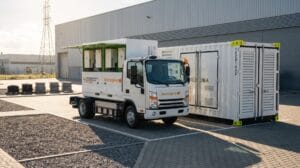
It’s impossible to know the date or intensity of the next phase, but the cycle pattern is monitored and announced. This already allows for preparation. Tecnogera sizes energy solutions based on the actual load of each operation, with generation in standby mode, hybrid systems with storage and consumption monitoring via telemetry.
If your company wants to enter the next season with mapped energy risk, talk to the technical team and receive an evaluation.
Frequently asked questions about El Niño, La Niña, and energy
What is El Niño?
It is the phase of the cycle where the waters of the equatorial Pacific become warmer than average, altering atmospheric circulation and changing the distribution of rainfall in various regions of the planet.
What is La Niña?
It is the opposite phase, when these same waters become cooler than average. It also alters the rainfall regime, with different effects depending on the region.
Why does this affect energy in Brazil?
Because most of Brazil’s generation is hydroelectric and depends on the volume of reservoirs. Changes in the rainfall regime alter this volume and, with it, the cost and security of supply.
Does El Niño always mean drought in Brazil?
No. The effect varies by region, and the same phase can bring above-average rainfall in one part of the country and below-average in another. Therefore, the analysis needs to be done by basin, not for the entire country.
Why does the energy bill rise during these periods?
When reservoirs fall, the system triggers thermal power plants, which cost more to operate. This cost reaches the consumer through tariff flags and market prices.
How long does each phase last?
The cycles last for months and do not have a fixed periodicity. Between one phase and another, there are periods of neutrality, with a pattern closer to the historical average.
How does a company prepare for these variations?
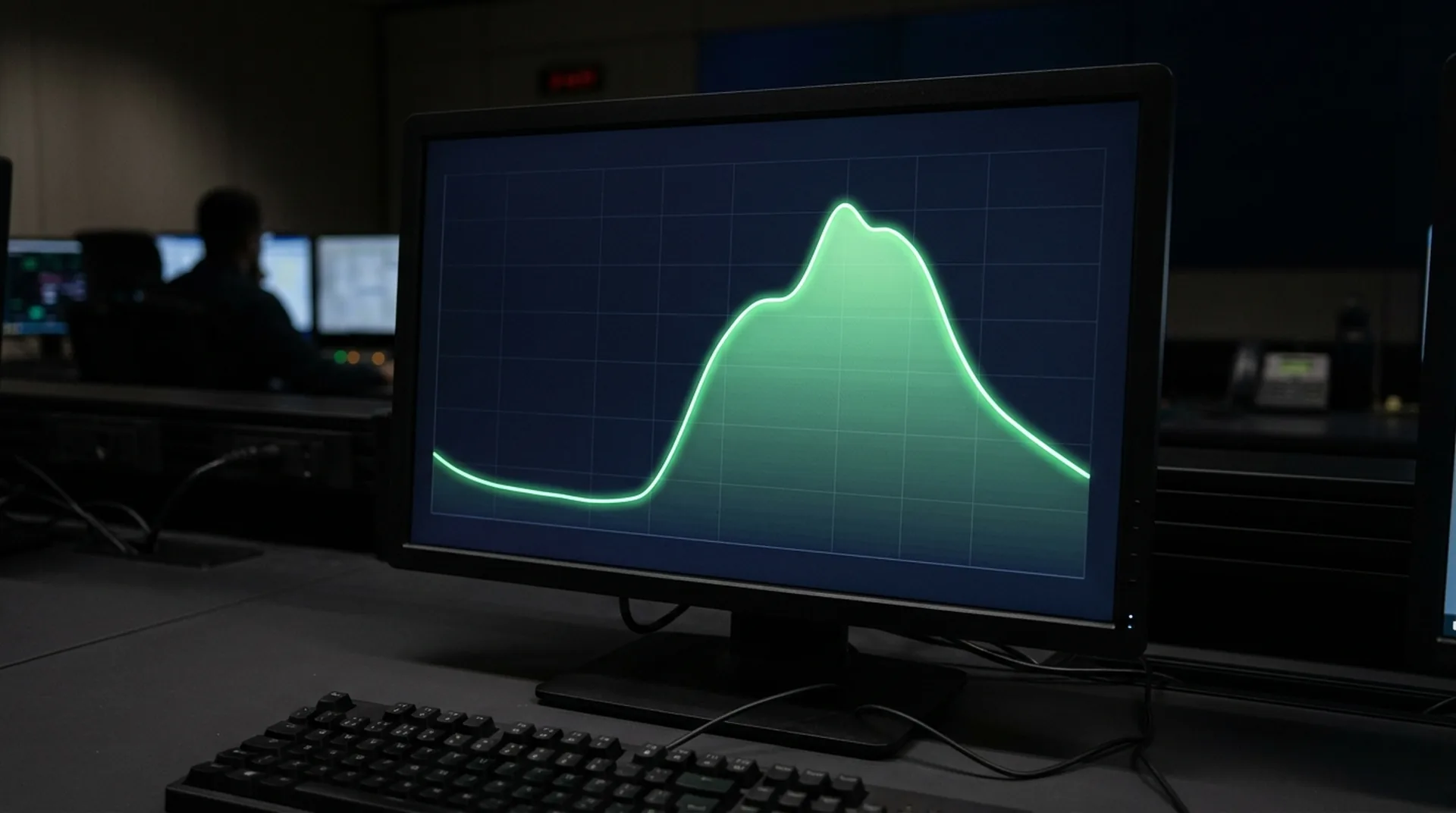
Monitoring their own consumption, treating energy as a variable cost in the budget, and maintaining an alternative supply sized for loads that cannot stop.
Is it worth renting a generator only during the risk season?
For operations with defined seasonality, it is usually worth it. The rental covers the critical period without investment in own equipment, and the equipment leaves when the demand passes.
Does Tecnogera meet seasonal demand?
Yes. Tecnogera works with generator rental, hybrid systems with storage and consumption monitoring, with sizing based on the actual load of each operation.
How to request an evaluation for my company?
Just contact us through the budget form, providing the type of operation, approximate load, and period of need. The technical team evaluates and presents the appropriate solution.