Energy efficiency is defined as the rational and conscious use of energy, aiming to meet our needs without depleting natural resources or harming the environment. It involves responsible management of available energy sources, considering both the present and future.
Achieving high performance in processes and activities using the least amount of energy possible is the core of energy efficiency. This directly implies avoiding waste, optimizing equipment use, and minimizing environmental impacts associated with energy generation and consumption.
To effectively reduce energy consumption and costs and achieve energy efficiency, some approaches are essential, such as:
– Improving the performance of existing equipment;
– Modernizing production processes;
– Increasing the share of renewable energy sources in the consumption matrix.
What is Energy Efficiency?
In practice, energy efficiency translates into actions that optimize energy use. The focus is on achieving the same or better results with less energy. To this end, some actions can contribute:
- Use of more efficient equipment;
An example is replacing fluorescent bulbs with LEDs, which last longer and consume less energy. The same applies to more modern motors, which convert more electricity into motion with less heat loss.
- Planning activities to optimize machine use;
In industrial operations, this planning might mean organizing production in batches so that an oven or conveyor belt doesn’t need to be turned on and off multiple times a day. In a domestic setting, this planning can be organized to wash or iron large quantities of clothes, using the washing machine and iron all at once.
- Maximizing natural light;
In this regard, a simple example is opening curtains and blinds to naturally illuminate the environment. Installing light sensors that reduce the intensity of artificial lights is another alternative to better utilize natural light.
- Unplugging devices and avoiding standby mode.
Many devices continue to consume energy even when turned off. This is what we call “phantom load.” An exercise to understand this is to imagine dozens of computers in a company running after business hours. In this situation, having a switch to turn everything off at the end of the day minimizes this waste, positively impacting the electricity bill.
Basically, it’s about rethinking how we use energy, preferring modern and efficient solutions. It’s about doing more with less, strategically.
How does energy efficiency work?
Adopting energy efficiency is crucial, not just a trend. Given finite resources and climate challenges, how we consume energy today defines our future.
It’s important to highlight that efficiency is not just about consuming less in absolute terms, but consuming better. Additionally, optimizing processes reduces operational costs and generates value for consumers and companies.
What are the main advantages of investing in energy efficiency?
Investing in energy efficiency brings multiple tangible and intangible benefits to various sectors, such as:
- Cost reduction: direct decrease in energy bills – electricity, gas, and fuel in general;
- Competitiveness: companies reduce production costs and become more competitive;
- Sustainability: lower greenhouse gas emissions and reduced pressure on natural resources;
- Energy security: reduces demand on the electrical system, decreasing blackout risks;
- Positive image: demonstrates socio-environmental responsibility, valued by clients and investors;
- Integrated efficiency: it’s an investment that aligns economy and sustainability.
Strategies to reduce energy consumption
There are various practical strategies that can be implemented to improve energy efficiency in daily life or commercial operations.
- Preventive maintenance: well-maintained equipment (air conditioning, motors) consumes less;
- Thermal insulation: properly insulating walls, ceilings, and windows reduces the need for artificial climate control, a major energy consumer;
- Efficient equipment: opting for appliances with seals like Procel A ensures lower consumption for the same function, generating long-term savings;
- LED lighting: replacing old bulbs with LEDs drastically reduces energy consumption for lighting. Motion sensors enhance savings.
How to apply energy efficiency in industries?
In industry, energy efficiency is key to competitiveness. The application follows structured steps, as detailed below:
- Energy consumption diagnosis: map and identify the largest energy consumers like motors, ovens, and refrigeration, and where savings can be made.
- Goals and action plan: set clear reduction objectives (consumption and costs) and prioritize actions with the best ROI.
- Equipment modernization: replace old motors with high-efficiency models, update lighting to industrial LEDs.
- Process optimization: implement heat recovery, optimize compressed air systems, and use automation solutions for more precise control.
- Continuous monitoring: install systems to track consumption in real-time, identify deviations, and ensure savings are maintained.
- Alternative evaluation: consider renewable sources, like wind and solar, or cogeneration (simultaneous production of electricity and heat) to increase operational efficiency.
Efficient equipment and solutions
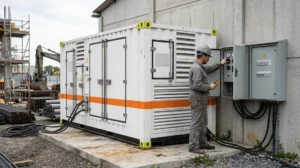
Tecnogera offers robust and customized energy solutions for industries across various sectors, including state-of-the-art generators with high efficiency and lower consumption.
Our temporary or continuous energy projects are tailor-made to optimize energy costs and ensure reliability, incorporating efficient technologies aligned with client needs.
What are the types of energy efficiency?
We can divide efficiency into two complementary approaches:
- Passive: Focuses on design and materials to reduce energy needs (good insulation, solar orientation, natural ventilation).
- Active: Uses technologies and controls to optimize energy consumption (LED lights, efficient motors, automation, smart thermostats).
Examples of energy efficiency in Brazil and worldwide
In Brazil, the PROCEL Seal (equipment) and PROCEL Edifica (buildings) are benchmarks. Industries invest in modernization (motors, heat recovery). Internationally, programs like Energy Star (USA) and standards like Passivhaus (Germany) drive efficiency. Cities adopt LED public lighting and electric transport.
How to calculate energy efficiency?
Calculating energy efficiency requires a series of evaluations of each business’s operations, as well as methodologies that are not part of companies’ daily routines.
If you want to learn more about energy efficiency and how to pursue this path in your company, talk to our team of specialists.
What do energy efficiency labels mean?
Labels like the PROCEL Seal or ENCE (INMETRO) are visual guides for consumers. They classify products (usually from ‘A’ – most efficient, to ‘E’ or ‘G’ – least efficient) based on relative energy consumption. They may inform estimated consumption (kWh/month).
Choosing products with an ‘A’ rating means savings on the electricity bill and a lower environmental impact.
Success stories in cost reduction
Companies reap rewards by investing in efficiency. For example, industries that modernize motors and refrigeration systems often achieve 15% to 25% reductions in energy consumption, with a return on investment in a few years.
Additionally, logistics centers that optimize generator use or adopt more efficient models, like those offered by Tecnogera, can significantly reduce fuel costs and emissions.
Temporary energy solutions also positively impact various operations, offering more security to processes and enabling better energy use.
Find the best energy efficiency solutions with Tecnogera!
Optimizing energy consumption is strategic. Tecnogera, operating throughout Brazil, offers customized solutions for companies of all sizes and sectors. We provide generators for various applications, in rental mode, and develop energy projects that ensure reliability and cost reduction.
Turn your energy expenses into a competitive advantage. Contact our service team and discover how Tecnogera can boost your business’s efficiency and results!
Contact us with our service team and learn more!