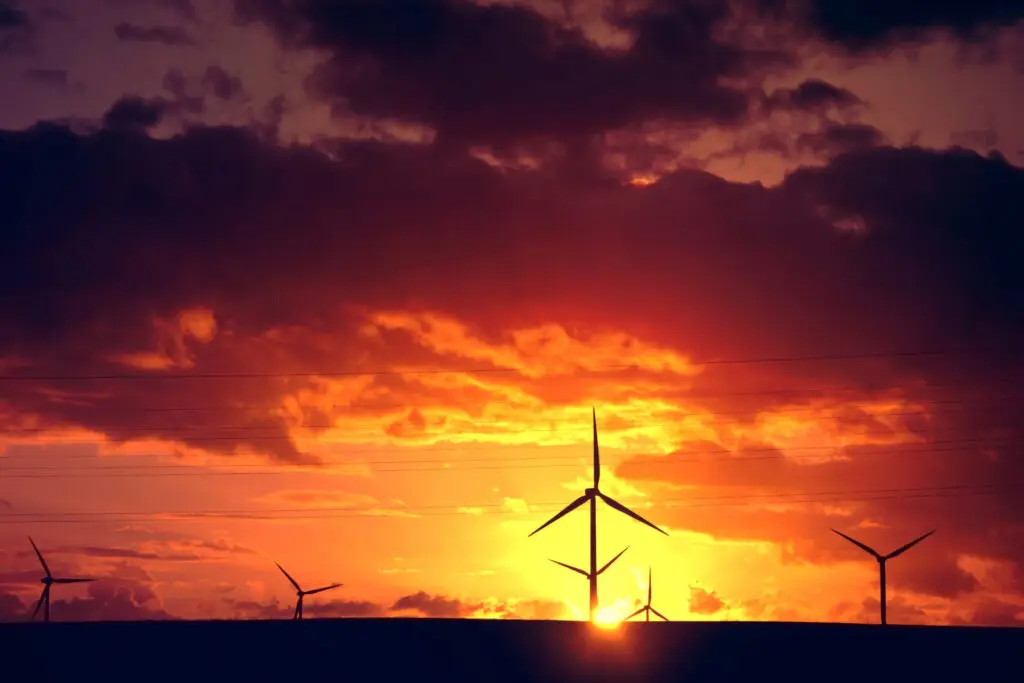
Renewable energy is defined as energy generated from natural sources. It comes from resources like the sun, wind, water, and heat, and is considered clean because it does not emit greenhouse gases and is continuously replenished.
Contents
What are the types of renewable energy?
What is the best source of renewable energy?
Non-renewable energy sources
Advantages and disadvantages of renewable energy
What are the most common types of renewable energy in Brazil?
Brazilian projects supporting renewable energy
Uninterrupted energy: the role of Tecnogera generators
What are the types of renewable energy?
There are various sources of renewable energy, each with distinct characteristics and applications. Choosing one of them drives a more sustainable future for everyone.
This movement is part of the so-called energy transition, a global process of shifting the energy matrix from fossil-based to low-carbon and lower environmental impact sources.
Wind Energy
Wind energy is defined as energy that uses the power of the wind to turn the blades of large turbines, which in turn activate an electric generator. Its main input is the wind.
Its benefits include zero pollutant emissions and low operational costs. The main challenge is intermittency, as it depends on consistent winds. It is more common in large wind farms but can also be used in mini generators.
In Brazil, wind energy production has grown significantly, especially in the Northeast, a region responsible for 90% of national production, which stands at 33,000 MW, or approximately 13.5% of the country’s energy matrix.
Solar Energy
Photovoltaic solar energy converts sunlight directly into electricity. Its main resource is photovoltaic panels, composed of silicon cells.
The great advantage is the abundance of solar resources in most parts of the planet. The challenge is intermittency, such as night and cloudy days. It is widely used in homes, businesses, and large-scale plants.
In 2024, Brazil reached 53 GW of installed solar power capacity, with good growth opportunities, mainly due to public and private investments in energy transition projects.
Solar Thermal Energy
Unlike photovoltaic, solar thermal energy uses the sun’s heat to warm fluids, usually water. Its central resource is solar collectors.
It is an efficient and low-cost solution for water heating in homes, hotels, and hospitals. Its challenge is also the dependence on direct sunlight to operate at maximum efficiency.
Hydropower
Hydropower, or hydroelectric energy, harnesses the force of river currents to move turbines and generate electricity. The main resource is hydraulic potential.
It has a high generation capacity and is a mature source. However, building large dams can cause significant environmental and social impacts. It is the backbone of the energy matrix in countries with great hydropower potential, like Brazil.
Here, hydropower is the main renewable source, representing 55.8% of the country’s generated energy.
Biomass Energy
This energy is generated from burning organic matter of plant or animal origin, such as sugarcane bagasse, wood, and agricultural residues.
Its main advantage is the reuse of waste. The challenge is controlling pollutant emissions during combustion. It is widely used in agribusiness and industries that generate large volumes of biomass.
Geothermal Energy
Geothermal energy uses heat from the Earth’s interior to generate electricity or direct heating. It is characteristic of areas with volcanic activity or tectonic movement.
It is a constant and reliable energy source that does not depend on the weather. Its challenge is the high cost of drilling and the limitation to specific geographic areas with geological activity near the surface.
Ocean Energy
Generates electricity from tidal forces (tidal energy) or wave motion (wave energy). The main resource is the ocean and its movement.
It is a predictable source with enormous energy potential. The main challenges are the high cost of technology and maintaining equipment in a marine environment. Its use is still nascent, focused on pilot projects.
Hydrogen Energy
Hydrogen energy is considered the fuel of the future, generated by the reaction between hydrogen (H₂) and oxygen (O₂), releasing energy and producing only water as a byproduct.
The greatest advantage is being a completely clean source in its final use. The challenge lies in the process of obtaining green hydrogen (via water electrolysis with renewable energy), which still has a high cost.
What is the best source of renewable energy?
There is no single best source of renewable energy. The ideal choice depends on factors such as geographic location, intended use, project scale, and implementation cost.
For a region with plenty of sun, solar is excellent. For agribusiness, biomass may be the most viable. The analysis should consider the advantages, disadvantages, and fluctuations of each source to ensure the best application and results.
Non-renewable energy sources
Unlike renewable energy sources, non-renewable energy sources use finite natural resources, meaning they do not regenerate. Their continuous use leads to the depletion of reserves.
The main ones are fossil fuels, such as oil, coal, and natural gas, as well as uranium used in nuclear energy. They are the largest contributors to greenhouse gas emissions.
Advantages and disadvantages of renewable energy
Understanding the pros and cons of each renewable source is crucial for efficient and realistic energy planning. This allows maximizing benefits and creating strategies to mitigate weaknesses, such as intermittency.
What are the advantages of using renewable energy?
Adopting clean sources brings benefits beyond energy sustainability, impacting the economy and energy security.
- Low or zero impact on greenhouse gas emissions.
- They are inexhaustible sources.
- Reduce dependence on fossil fuels.
- Promote job creation in new technologies.
See the disadvantages of renewable energy
Despite the benefits, there are some challenges to overcome for the widespread use of renewable energy.
- Intermittency in generation (dependence on sun, wind, etc.).
- High initial installation cost for some technologies.
- Need for large areas for plant installation, in the case of solar and wind.
- Environmental impact in the construction of some sources, such as hydroelectric plants.
What are the most common types of renewable energy in Brazil?
Brazil has one of the cleanest energy matrices in the world, with a strong predominance of renewable sources. The main one is hydropower, due to the abundance of rivers with great hydroelectric potential in the country.
Next, wind and solar energy have been growing exponentially, especially in the Northeast region. Biomass, driven by agribusiness, also plays a significant role in the energy savings of companies, especially in the sugar-alcohol sector.
Brazilian projects supporting renewable energy
Brazil has several programs and incentive laws to stimulate energy generation from renewable sources.
Among the main ones are ANEEL’s Normative Resolution No. 482/2012, which created the compensation system for micro and mini distributed generation, and ICMS Agreement 16/15, which exempts ICMS from energy injected into the grid.
How do Tecnogera generators complement renewable sources?
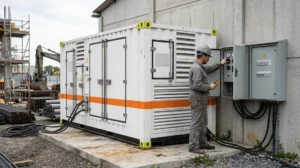
Uninterrupted energy: this is the main proposal of Tecnogera generators.
Intermittency is the main challenge of renewable sources like solar and wind. And what if there’s no sun or wind? This is where temporary energy becomes a strategic ally to ensure the continuity of your operation.
Tecnogera generators act as a reliable backup energy source. In hybrid systems, they automatically activate when renewable generation is interrupted, ensuring your business never stops.
Our generator rental solutions for distributed generation ensure the security and stability your renewable energy project needs. Count on Tecnogera for reliable, secure, and uninterrupted energy, 24 hours a day.