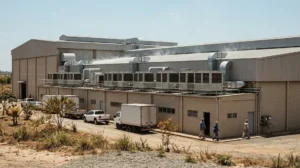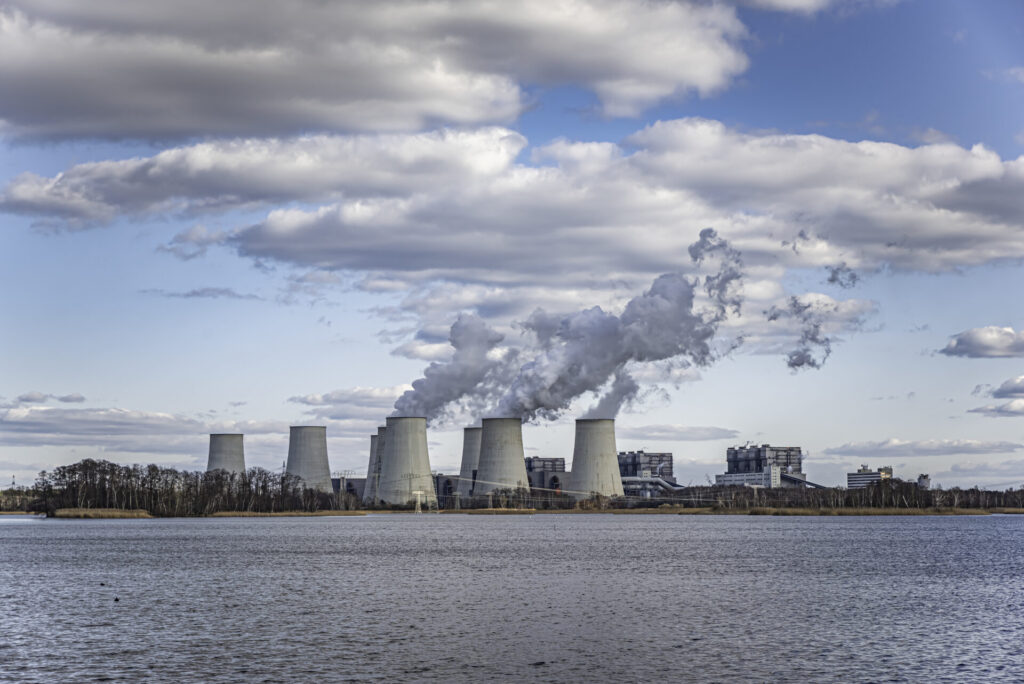
The thermal power plants are industrial facilities designed to generate electricity from energy released in the form of heat. This heat is mainly obtained by burning fuels, which can be of fossil origin, such as coal, natural gas, and oil, or renewable, such as biomass.
These plants play a fundamental role in the energy matrix of several countries, including Brazil. They function as a firm and dispatchable energy source, meaning they can be activated at any time to ensure the energy security of the system, especially when renewable sources, such as hydro and solar, cannot meet the demand.
How do thermal power plants work?
The operation of a conventional thermal power plant follows a model with pre-established cycles.
It all starts with the combustion of fuel in a boiler, which heats a large amount of water until it turns into high-pressure and high-temperature steam. This process converts the chemical energy of the fuel into thermal energy.
This steam is directed at high speed to move the blades of a turbine, making it spin. At this moment, the thermal energy of the steam is converted into mechanical energy. The turbine, in turn, is connected to a generator, which transforms the mechanical energy of the rotation into electrical energy, ready to be transmitted.
To close the cycle and optimize the process, the steam that left the turbine passes through a condenser. There, it is cooled, returns to the liquid state, and can be pumped back to the boiler, restarting the process.
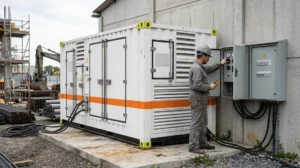
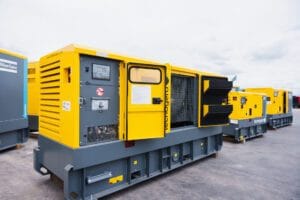
This principle of energy conversion is the same used in power generators temporary, which ensure continuous supply for various operations, whether in industries, services, and events.
Fuels used in thermal power plants
The choice of fuel is a decisive factor for the operation, cost, and environmental impact of a thermal power plant. The main inputs used in Brazil vary in efficiency, availability, and emissions, being essential to complement the energy matrix national.
Mineral coal
Mineral coal is a fossil sedimentary rock with high calorific value. Despite being one of the most abundant and low-cost fuels, its combustion emits the most greenhouse gases (GHG) and other pollutants.
Historically, it was the basis of global thermoelectric generation, but today it faces environmental restrictions.
Natural gas
Composed mainly of methane, natural gas is considered a transition fuel. Its combustion is cleaner and more efficient than coal and oil, emitting about 50% less CO₂. Its growing availability in Brazil, especially with the pre-salt, has driven the construction of new gas plants.
Fuel oil
Petroleum derivatives, such as diesel oil and fuel oil, have high energy density. However, their cost is high and combustion also generates significant emissions. They are often used in backup plants, for peak supply, or in isolated locations where there is no access to pipelines.
Biomass
The biomass uses organic matter of plant or animal origin as fuel, such as sugarcane bagasse, rice husk, and wood chips.
It is a renewable source with low net carbon emissions, as plants absorb CO₂ during their growth. It is a sustainable and strategic solution, especially for agribusiness.
Types of thermoelectric plants
Thermoelectric plants are mainly classified by the fuel they use. Each type has specific operational characteristics, costs, and applications, being ideal for different needs, from base generation for the country to temporary energy solutions for the industry.
Coal plants
In general, they are robust plants designed to operate continuously and generate large volumes of energy (base generation). Although efficient in production, they require complex pollution control systems to mitigate the emission of ash and toxic gases, making their environmental impact a major challenge.
Natural gas plants
More modern and flexible, natural gas plants can be quickly turned on and off. This makes them ideal for balancing the intermittency of renewable sources, such as solar and wind. The combined cycle model, which reuses the heat from exhaust gases, further increases their efficiency.
Fuel oil/diesel power plants
These plants are valued for their versatility and quick installation. They are the perfect solution for remote locations without access to the power grid or to provide emergency power.
Tecnogera specializes in temporary power solutions with diesel generators, ensuring that hospitals, industries, and large events never stop.
Biomass power plants
Usually located near their fuel source, such as in sugarcane complexes. They utilize waste that would otherwise be discarded to generate electricity, often selling the surplus to the grid. They represent a model of circular economy and clean, decentralized energy generation.
Advantages and disadvantages of thermal power plants
Thermal power plants offer important advantages, such as installation flexibility, as they do not depend on specific geographical conditions, like rivers. Also, they can operate independently of weather conditions, such as rain, sun, or wind, ensuring continuous and reliable energy, which is crucial for the security of the electrical system.
On the other hand, the disadvantages are significant. The main downside is the environmental impact, with the emission of greenhouse gases. Additionally, operational costs are high and volatile, as they depend on fuel prices in the international market, which directly affects the consumer’s electricity bill.
For companies that cannot risk being without power due to grid instability, temporary power solutions are the answer.
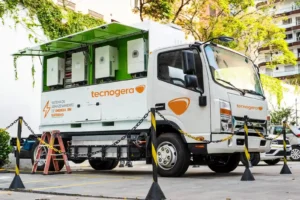
Tecnogera offers customized projects with generators, which function as a private plant to ensure reliability and energy efficiency during scheduled or emergency shutdowns.
Environmental impact of thermal power plants
The main environmental impact of thermal power plants is the emission of polluting gases into the atmosphere. The burning of fossil fuels releases carbon dioxide (CO₂), one of the main causes of the greenhouse effect, as well as nitrogen oxides (NOx) and sulfur dioxide (SO₂).
Another significant impact is the intensive use of water resources. Water is essential for cooling in the condenser, and large-scale extraction can affect aquatic ecosystems. Additionally, the extraction of fuels (coal, oil, gas) also generates its own environmental liabilities.
To mitigate these effects, there are technologies such as particle retention filters, gas scrubbers, and low NOx systems. In Brazil, the licensing and operation of these plants are strictly controlled by environmental agencies, which set emission limits and require compensatory measures.
Thermal power plants in the Brazilian energy matrix
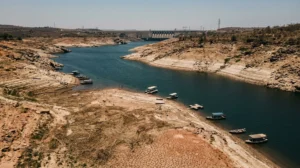
In Brazil, thermal power plants function as a strategic support for the predominantly hydroelectric matrix. During drought periods, when the reservoir levels of hydroelectric plants are low, thermal power plants are activated by the National Electric System Operator (ONS) to prevent energy shortages.
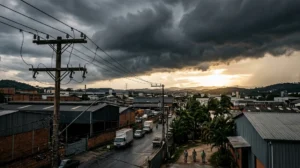
This activation logic explains the colors of the tariff flags on the electricity bill. Since thermal energy is more expensive to produce, its use increases the overall generation cost in the country, and this cost is passed on to consumers. A yellow or red flag means that more thermal power plants are in operation.
Geographically, they are concentrated near major load centers, such as the Southeast Region, or near fuel sources, such as the coast (imported natural gas or from the pre-salt) and the South Region (mineral coal). This strategic distribution reduces transmission losses and optimizes fuel logistics.
Main Brazilian thermal power plants
Brazil has a diversified and robust thermal power park, with hundreds of plants in operation. Some stand out for their large installed capacity and strategic importance to the National Interconnected System (SIN), according to data from the National Electric Energy Agency (ANEEL).
UTE Porto de Sergipe I
It is the largest natural gas thermal power plant in Latin America, with 1,593 MW of installed capacity. Located in Barra dos Coqueiros (SE), its operation is essential for the energy security of the Northeast, using imported natural gas through its own regasification terminal.
Jorge Lacerda Thermoelectric Complex
Located in Capivari de Baixo (SC), this is the largest mineral coal complex in Latin America, totaling 857 MW of capacity. It is a historical example of thermoelectric generation in the South of the country, using coal extracted in the region itself, being vital for the stability of the local grid.
Parnaíba Complex
This complex stands out for generating energy from natural gas produced in onshore fields in the Parnaíba Basin. Located in Santo Antônio dos Lopes (MA), it is one of the largest gas power generation projects in operation in Brazil, demonstrating the viability of the “gas-to-wire” model, which generates electricity at the site of gas extraction.
The future of thermoelectric plants in Brazil
The future of thermoelectric plants is directly linked to the energy transition. They will continue to be crucial for providing stability and security to the grid, while intermittent sources such as solar and wind gain ground. The trend is a gradual replacement of the more polluting plants (coal and oil) with more efficient ones.
The big bet for the coming years is natural gas, seen as the ideal transition fuel for being less polluting. New technologies, such as high-efficiency combined cycles and hybridization with renewable sources, should make these plants even more competitive and sustainable.
In the long term, the expectation is that thermoelectric plants can operate with zero-emission fuels, such as biogas, biomethane, and green hydrogen. This technological evolution will allow them to maintain their strategic role in the energy matrix in line with global decarbonization goals.
Find the best energy solutions at Tecnogera!
The instability of the electrical grid, scheduled maintenance shutdowns, or increased demand can put your operation at risk. Having a reliable energy source is not a luxury, but a strategic necessity to ensure productivity and avoid losses.
At Tecnogera, we are specialists in customized temporary energy projects. We offer a modern fleet of generators, transformers, and load banks to serve industries, agribusiness, hospitals, events, and much more, ensuring quality energy where and when you need it.
Don’t let a power failure compromise your results. Our team of experts is ready to analyze your needs and design the most efficient and safe solution for your business. Contact us and request a quote!