Hydrological monitoring is the service responsible for the processing, collection, storage, and management of data on atmospheric conditions that result in rainfall volume and river flow. This work is carried out at pluviometric, fluviometric, and meteorological stations, which use the collected information to develop water resource management plans in cities. Hydrological monitoring works with analysis data on the transfer of water and energy on the Earth’s surface and in the atmosphere. This allows for a deep understanding of the water cycle, the dynamics of wet processes, precipitation and atmospheric phenomena, and other meteorological aspects that influence society’s daily life.
Hydrological monitoring and electricity generation
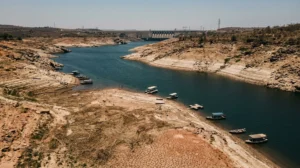
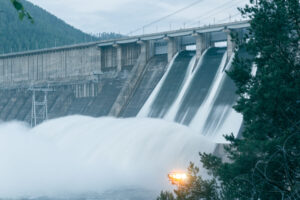
In addition to being an important tool for water resource management, hydrological monitoring is essential for disaster prevention during rainy periods and for forecasting the volume of water that will reach the reservoirs of hydroelectric plants. The Itaipu Dam, located on the border between Brazil and Paraguay, is an example of how important hydrological monitoring is for energy production in the country. Since this plant receives water from six Brazilian states, as well as the Federal District, monitoring the rivers and climate in the Paraná Geological Basin region allows for better utilization of water resources for electricity generation.