What is the National Interconnected System (SIN)?
The National Interconnected System (SIN) is one of the largest and most complex energy systems in the world, responsible for coordinating and controlling the production and transmission of electricity throughout Brazil. This integrated system covers the five regions of the country, ensuring the continuous and safe supply of energy to millions of Brazilians.
Coverage and Scope
- National Coverage: Serves 98.3% of Brazil’s energy production capacity
- Isolated Systems: Only 1.7% of the capacity is outside the SIN, mainly composed of small systems in the Amazon region
- Integration: Connects all regions of the country, allowing the transfer of energy between different locations
Regulatory Bodies
The SIN is supervised and regulated by important bodies in the Brazilian electricity sector:
1. ANEEL – National Electric Energy Agency
- Regulation of concessions and permits
- Supervision of electricity sector companies
- Establishment of tariffs
- Mediation of conflicts
2. ONS – National Electric System Operator
- Operation of the generation and transmission system
- Coordination and control of generation and transmission facilities
- Programming of system operations
- Real-time monitoring of the SIN
SIN Infrastructure
The SIN has an impressive infrastructure that ensures the supply of energy throughout the country:
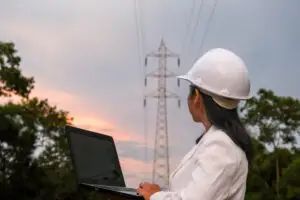
- Over 100,000 km of transmission lines
- Numerous power substations
- Various generating plants (hydroelectric, thermoelectric, wind, solar, etc.)
- Real-time control and supervision system
Main Characteristics
1. Free Access to Transmission
Access to the transmission system is free and guaranteed by law, with mandatory sharing of infrastructure among authorized agents.
2. Natural Monopoly
Electricity is considered a natural monopoly, which justifies strong state regulation of the sector.
3. Resource Optimization
The SIN allows the transfer of energy between regions, optimizing the use of available energy resources.
4. Energy Security
The interconnection ensures greater security of supply, as it allows any deficits in one region to be compensated by others.
Advantages of the National Interconnected System
- Hydraulic Efficiency: Better use of available water resources
- Cost Reduction: Less need for thermoelectric plants, which have higher operational costs
- Reliability: Greater security in energy supply
- Integration of Renewable Sources: Facilitates the incorporation of sources such as wind and solar
- Emission Control: Allows greater use of clean energy sources
Challenges of the SIN
- Maintain network expansion at a pace compatible with demand growth
- Integrate intermittent renewable energy sources
- Modernize aging infrastructure
- Ensure system security against cyber threats
- Expand coverage to isolated regions
The Future of the SIN
The SIN is constantly evolving to meet the demands of the 21st century, with emphasis on:
- Modernization of existing infrastructure
- Incorporation of new technologies such as smart grids
- Expansion of renewable sources participation
- Improvement in operational efficiency
- Expansion to serve regions not yet integrated
The National Interconnected System is one of the pillars of Brazil’s economic and social development, ensuring the supply of electricity with quality and safety for the entire Brazilian population.