The global energy landscape is constantly evolving, driven by the need for greater resilience and sustainability.
In this context, microgrids emerge as one of the most promising solutions, offering a new level of control over energy supply, especially in an ecosystem that increasingly values distributed generation.
For industries, remote operations, and campuses that cannot tolerate interruptions, microgrids represent a significant advancement. They ensure that electricity continues to flow even when the main grid fails.
This autonomy not only protects critical operations but also optimizes consumption by intelligently integrating various energy sources.
What Microgrids Are and How They Work
A microgrid is essentially a small local power grid capable of operating in two ways: connected to the main power grid (the grid) or independently, in a mode known as “island”.
This decentralized system includes energy generation sources, storage devices (like batteries), and consumer loads.
Its operation is coordinated by an intelligent control system (smart grids), considered the brain of the operation. This system manages the energy flow, balancing supply and demand in real-time.
For instance, if renewable energy generated by solar panels is insufficient due to bad weather, the system can automatically activate backup generators or release stored energy from batteries.
The most vital feature of energy microgrids is their ability to autonomously disconnect and reconnect to the main grid.
In the event of a failure or interruption in the utility system, the system isolates itself, ensuring that critical operations are not affected. When power is restored on the external grid, the microgrid synchronizes and resumes joint operation.
Benefits of Microgrids for Industries and Remote Operations
Adopting microgrids offers strategic advantages that go far beyond simple backup assurance.
For industries, data centers, and large complexes, they provide unparalleled energy resilience, crucial for avoiding financial losses caused by downtime.
The benefit of resilience is accompanied by efficiency. By optimizing the use of distributed generation and integrating renewable energy and storage sources, microgrids reduce dependence on energy purchased during peak (and more expensive) times.
This results in significant reductions in operational costs and greater financial predictability for the business.
Moreover, the isolation capability allows areas with fragile or entirely non-existent grid infrastructure, such as remote operations and isolated communities, to access a secure and high-quality energy source.
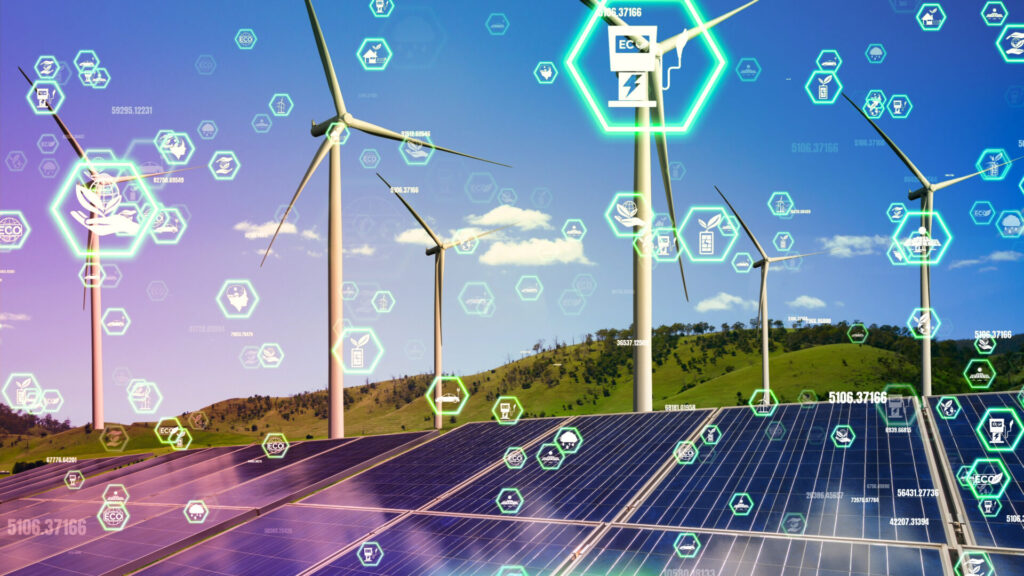
Microgrids are a pillar of sustainability, as they facilitate the integration of clean sources, aligning company operations with environmental responsibility practices.
Integrating Microgrids with Tecnogera Solutions
Tecnogera’s expertise in temporary, stand-by, and hybrid energy solutions positions the company as the ideal partner for implementing and managing microgrids.
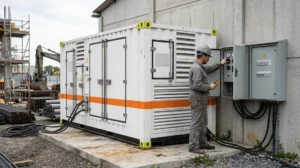
Tecnogera’s solutions, which include high-power generators and Battery Energy Storage Systems (BESS), are key components in building a robust energy microgrid.
In a microgrid project, for example, Tecnogera’s generators not only serve as emergency backup but are intelligently managed to operate during times of high grid energy costs or to complement intermittent renewable energy.
The generator transforms from a mere emergency resource into a strategic asset for cost optimization and uninterrupted supply.
The BESS is another strong point in integration. The batteries allow excess energy, generated during low demand or high renewable energy production, to be stored for later use.
Thus, microgrids built with Tecnogera’s support ensure that the client not only has energy but the best energy, at the most opportune time.
The Future of Distributed Generation and Energy Autonomy
The future of the electric sector unmistakably points towards decentralization and digitalization. Microgrids are an essential component of this future, acting as a catalyst for the expansion of distributed generation and the creation of smarter and more resilient systems, the true smart grids.
The trend is for the concept of energy microgrids to evolve to become the norm for customers demanding high quality and continuity in supply.
Local energy control, combined with the ability to integrate clean sources, provides companies with energy autonomy that minimizes risks and maximizes investment value.
This technology is no longer a futuristic projection but a reality that Tecnogera already offers, preparing industries and large consumers for the challenges and opportunities of tomorrow.