Talking about on-demand energy means ensuring your business operation gets exactly the energy it needs every minute—no more, no less—to prevent waste, failures, or risks.
Energy demand (measured in kW or MW) differs from energy consumption (kWh). Demand refers to the power needed at any given moment to keep machines, systems, and processes running. Consumption reflects how much energy was actually used over time.
For instance, a supermarket requires 500 kW to keep its refrigeration units, lighting, and checkout systems operational during peak hours, but the total consumption by month’s end will be the sum of all this energy over time. This detail is crucial when designing an on-demand energy solution.
Overview of Energy Generation in the Country
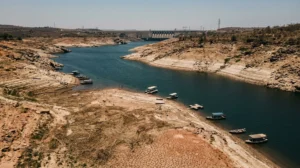
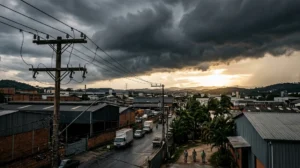
Brazil’s energy matrix is predominantly hydroelectric, but this doesn’t guarantee stability. Climate fluctuations, transmission bottlenecks, and occasional failures at substations can cause localized blackouts.
Moreover, in some sectors like mining or construction, there’s simply no electrical grid available on-site. In these cases, it’s not about backup; on-demand generation is what keeps the operation alive.
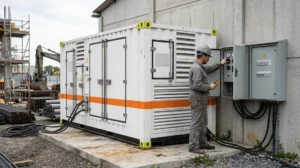
This is where the role of renting diesel and natural gas generators, load banks, and hybrid solutions (such as solar energy and batteries) comes in, forming systems designed to handle everything from temporary peaks to fully off-grid operations.
These systems aren’t simple plug-and-play. They require engineering, load analysis, operational predictability, and, of course, a reliable partner.
The Importance of Continuous Operation in Critical Sectors
Some sectors can’t afford even a second of downtime.
A hospital or clinic, for example, relies on stable energy for ICU systems, surgical centers, and labs, keeping ventilators, infusion pumps, and sensitive medication refrigerators running flawlessly.
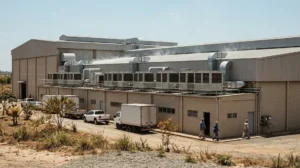
In the industry, a mere 30-minute halt in a continuous line (like steel or chemical production) can not only lose a day’s output but also damage machinery, produce waste, and compromise entire batches.
In data centers, a flicker can mean losing critical data, breaching SLAs (service level agreements), and incurring heavy fines.
Hotels, mega-events, banks, financial institutions, and universities are just a few more examples of organizations that need to operate without fluctuations.
That’s why when we talk about the benefits of continuous business operation, we’re directly addressing productivity, cost reduction from losses and rework, and, most importantly, safety: operational, legal, and reputational.
The Concept of On-Demand Energy and Its Market Application
On-demand energy isn’t just about “turning on a generator when the power goes out.” It’s a tailored, efficient, and sustainable technical and commercial project.
The electrical engineer assesses load curves, critical versus non-critical loads, consumption profiles, power factors, and redundancy needs.
Meanwhile, commercial and financial managers craft a flexible contract that meets operational seasonality, environmental and safety standards, and financial feasibility for the client.
For example, for a shopping center, the contract might stipulate generator use only during peak times, like weekends, reducing reliance on the utility and avoiding penalties for exceeding contracted demand. For a large-scale event, the solution might include hybrid systems, combining diesel generators with batteries to ensure silence in VIP areas or broadcast live shows without background noise.
The contract also includes SLA clauses for preventive maintenance, 24/7 technical support, continuous fuel supply, and remote monitoring to ensure the operation is never interrupted.
The Role of Customized Solutions for Each Type of Operation
No two operations are alike. Ensuring energy efficiency and autonomy depends on customized projects with suppliers who have real industry experience and uninterrupted support.
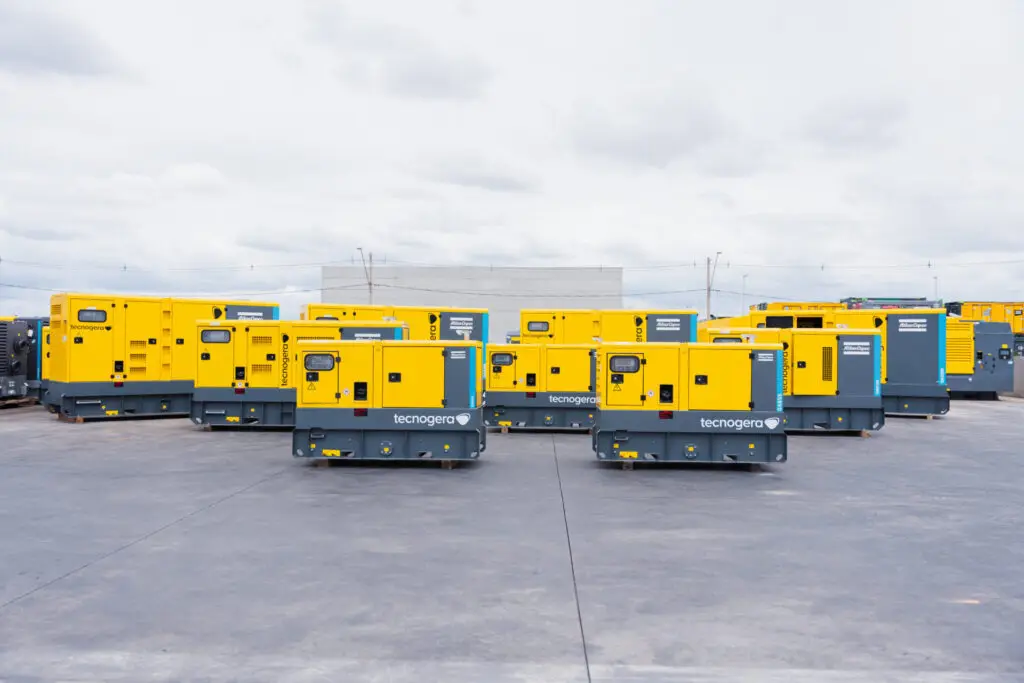
Tecnogera acts as a strategic partner offering operational intelligence, 24/7 service, and preparedness to handle adverse situations.
Among our specialized services, you and your company can benefit from:
- Generator rental (small, medium, and large) with high performance;
- Load bank: essential for simulating and testing generators under real conditions, ensuring they can handle the critical load;
- Standby system: generators ready for automatic activation in case of grid failure, with systems that eliminate manual response time;
- Turnkey system: complete project delivery to operation, including electrical installation, civil infrastructure, and in-house technicians;
- Temperature control: with coolers, derivatives, and fan coils that maintain environments under ideal conditions even in extreme climates or sensitive locations;
- Aerial platforms (standard, articulated, and scissor): meeting logistical demands for assembly, maintenance, and operation at height, with safety and agility.
Tecnogera provides more than just energy: it provides peace of mind for your operation, meaning your team can focus on what they do best, whether it’s producing, selling, servicing, or innovating, while our team ensures no electrical issue interferes with results.
We want to be partners in your business growth, offering safety, efficiency, and competitiveness. Get in touch!