The way companies and industries consume and produce energy is changing. More and more, distributed generation is gaining traction as a strategic model for those seeking autonomy, cost savings, and sustainability.
By decentralizing energy production, this system reduces reliance on utilities and enhances the security of electricity supply—critical factors for businesses that cannot afford downtime.
Moreover, distributed generation is directly linked to topics like solar energy, energy efficiency, and sustainability, which are fundamental pillars of the global energy transition.
This transformation also opens up opportunities for companies looking to cut costs and strengthen their commitment to ESG practices.
What Distributed Generation Is and How It’s Changing the Electric Sector
Distributed energy generation is a model where the consumer also becomes a producer of their own electricity, typically from renewable sources like solar, wind, or biomass.
Unlike the traditional system, where energy is generated at large plants and transmitted over long distances, distributed generation allows production to occur close to the point of consumption.
In Brazil, the model gained momentum with Aneel’s Resolution 482, which regulated the electric energy compensation system. This allowed companies to generate their own energy and inject the surplus into the public grid, receiving credits that can be used later.
This advancement marked a milestone for democratizing access to clean energy and boosting corporate sustainability.
Today, distributed generation is one of the main trends in the electric sector, especially among industries and businesses aiming to reduce exposure to tariff fluctuations and ensure cost predictability.
It also contributes to balancing the national electric system, preventing overloads and optimizing the use of transmission networks.
Benefits of Energy Decentralization for Companies and Industries
Adopting distributed energy generation offers a range of competitive benefits beyond just saving on electricity bills.
Decentralization provides energy independence, operational stability, and sustainability—factors that directly impact corporate performance and reputation.
Here are the key benefits:
1. Reduction in Operational Costs
With self-generation, companies and industries significantly cut their electricity expenses.
In some cases, savings exceed 20% per month, depending on the size of the operation and the source used. This reduction is even more relevant in a scenario of volatile tariffs and rising charges.
2. Autonomy and Supply Security
Companies operating under distributed generation have greater control over their energy matrix, avoiding interruptions and losses during public grid instability—essential for sectors relying on continuous energy, such as data centers, hospitals, and industrial plants.
3. Sustainability and Corporate Image
Investing in solar energy and other renewable sources reinforces a company’s commitment to sustainability and decarbonization goals.
Besides reducing greenhouse gas emissions, adopting clean technologies strengthens brand positioning with customers, investors, and society.
4. Asset Appreciation and Return on Investment
Distributed generation systems generally increase property value and shorten the investment payback period. In many cases, returns occur between three and five years, with equipment life expectancy exceeding two decades, ensuring long-term savings.
How Tecnogera’s Solutions Contribute to Corporate Energy Independence
Tecnogera is a leader in providing comprehensive energy solutions, offering everything from equipment rental and sales to customized generation and cogeneration projects.
The company combines technology, engineering, and innovation to meet the energy demands of industries, businesses, and large enterprises.
Among the solutions driving distributed energy generation, the highlights include:
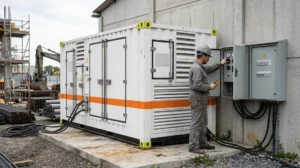
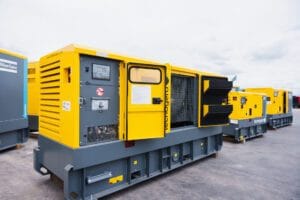
- Diesel and Natural Gas Generators: ideal for ensuring autonomy in emergencies or operating in hybrid generation systems.
- Integrated Solar Solutions: tailored photovoltaic projects capable of reducing costs and emissions.
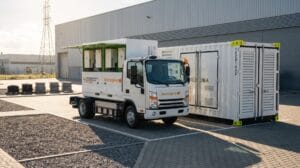
- Hybrid Systems and Storage: integration of multiple energy sources, providing efficiency and stability.
With Tecnogera’s expertise, companies can design an energy independence plan aligned with their sustainability and growth goals.
Specialized technical consulting ensures each project is developed with a focus on energy efficiency, safety, and financial return.
Decentralizing electricity supply, combined with Tecnogera’s innovative solutions, is a strategic step for the future of corporate energy, where autonomy and environmental responsibility go hand in hand.
Distributed energy generation is not just a trend but a structural shift in how companies and industries approach energy consumption.
Decentralization, coupled with renewable technologies, brings economic, environmental, and operational gains that directly enhance business competitiveness.
By investing in customized and efficient solutions like those offered by Tecnogera, your company takes a significant step toward energy independence, sustainability, and a more secure, innovative future.