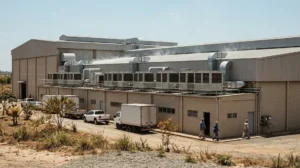
The generation of electric power is the process of converting different energy sources found in nature, such as hydro, generated by the force of water, solar, which uses the sun’s heat, or the burning of fuels into electricity. This transformation occurs in specialized plants, preparing the energy to be transported to consumers.
Index
- How is the process of generating electric power?
- What are the types of electric power?
- Generation and distribution of electric power
- How does electric power reach homes?
- Difference between non-renewable and renewable energies
- What are the advantages and disadvantages of generating electric power?
- Electric power generation in Brazil
- What are the trends in electric power generation worldwide?
- Ensure continuous and reliable energy with Tecnogera generators!
How is the process of generating electric power?
The process of generating electric power, in most plants, is based on a fundamental principle: moving a turbine connected to a generator. The generator is a device that transforms mechanical energy (movement) into electric power through electromagnetic induction, using magnets and coils.
The primary source of energy is what differentiates the types of power plants. In a hydroelectric plant, the force of running water turns the turbine. In a thermal power plant, the burning of a fuel heats the water, and the high-pressure steam is what moves the turbine, generating electricity in a similar way.
Regardless of the source, the goal is always the same: to create a rotational movement that drives the generator. The electricity produced is then sent to transformers that increase its voltage so it can be transmitted over long distances with minimal losses and maximum safety.
What are the types of electrical energy?
Electrical energy is classified according to the source used for its generation. The main ones are:
- Hydroelectric energy: generated by the force of falling water in rivers, which moves large turbines. It is the main source of energy in Brazil, with a share that varies between 55% and 60% of the national matrix.
- Solar energy: produced from sunlight, converted directly into electricity by photovoltaic panels or used to heat fluids and generate steam.
- Wind energy: uses the force of the wind to turn the large blades of wind turbines, which drive the electric generators.
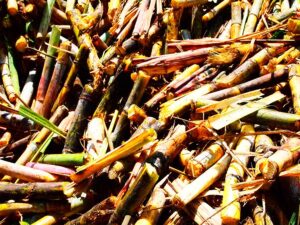
- Biomass energy: obtained by burning organic matter, such as sugarcane bagasse, to generate heat, steam, and consequently, electricity.
- Fossil fuel energy: generated in thermal power plants by burning coal, oil, or natural gas to produce the steam that moves the turbines.
- Nuclear energy: produced from the fission of uranium atoms in nuclear reactors, releasing a vast amount of heat to generate electricity.
Generation and distribution of electrical energy
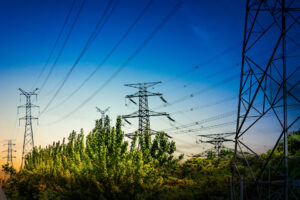
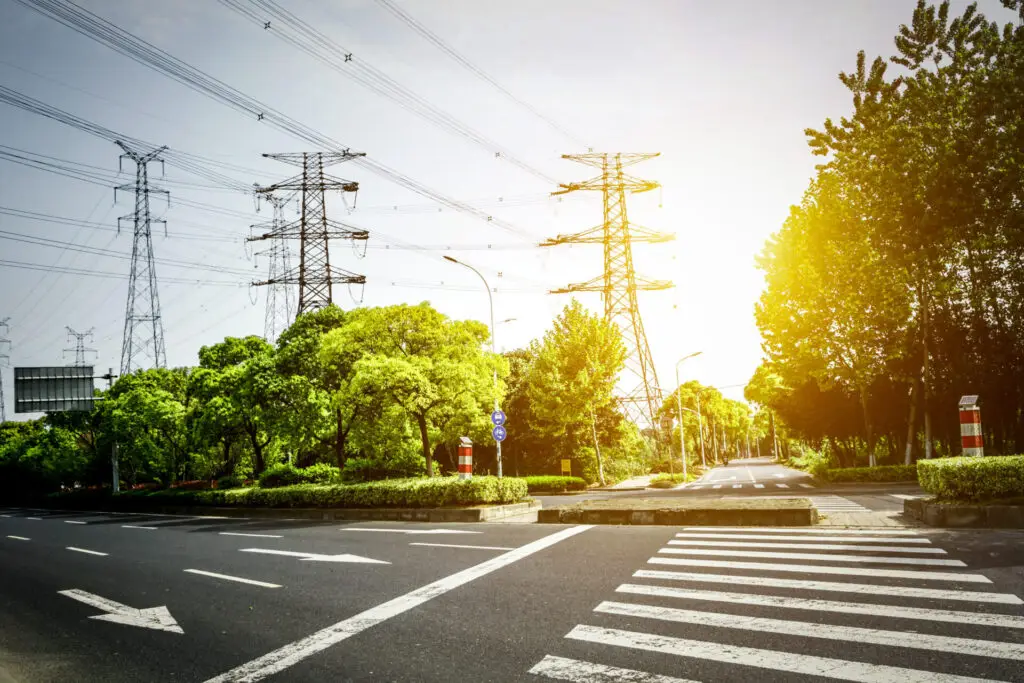
After being generated in power plants, the energy goes through a complex system to reach consumers. The first stage is transmission, where transformers increase the electricity’s voltage to hundreds of thousands of volts. This allows it to travel long distances through high-voltage towers and cables.
As it approaches urban centers, the energy reaches distribution substations. In these locations, other transformers do the reverse work: they reduce the voltage to safer levels. From there, electricity is distributed through networks of overhead or underground cables.
This distribution network branches out through cities and neighborhoods, bringing energy to industries, businesses, and homes. The entire system is monitored to ensure a stable and safe supply, being essential for the operation of almost all our daily activities.
How does electricity reach homes?
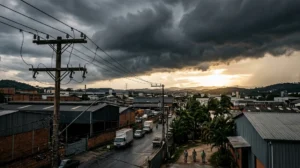
The final path of electricity to your home begins at the distribution substation in your neighborhood or nearby. From there, the electricity, already with reduced voltage, travels through cables installed on street poles.
On these poles, we find transformers smaller ones that perform the final stage of voltage reduction, adjusting it to the residential standard (usually 127V or 220V).
From this transformer, the wires go directly to the energy meter, known as the electricity meter, present in almost all Brazilian homes supplied with electricity.
From the meter, the electricity is finally distributed through the home’s internal wiring, powering outlets, lamps, and all electronic devices.
Difference between non-renewable and renewable energies
The renewable energy sources are those that regenerate naturally in a short period or are considered inexhaustible on the human time scale. They cause less environmental impact. The main renewable sources are: solar (sun), wind (wind), hydroelectric (rivers), and biomass (organic matter).
On the other hand, non-renewable energies are those derived from finite resources, which take millions of years to form and whose reserves are depleted with use. Their extraction and burning usually generate more pollutants and impacts. The most common sources are:
- fossil fuels, such as coal, oil, and natural gas;
- uranium, used in nuclear energy.
What are the advantages and disadvantages of electricity generation?
The main advantage of electricity generation is the development it provides, enabling industries, hospitals, technology, and comfort for people to live better and more conveniently. It is the backbone of contemporary society, driving the economy and quality of life.
However, energy generation also has disadvantages, mainly environmental. Non-renewable sources emit greenhouse gases, while large hydroelectric plants can cause deforestation and social impacts on surrounding populations. The search for a balance between demand and sustainability is the great challenge of the sector and of the most different countries.
Electricity generation in Brazil
According to data from the National Electric Energy Agency (ANEEL), in 2024 Brazil recorded an increase of 10.9 gigawatts (GW) in its electricity generation matrix, which was considered a historic milestone and exceeded the target set for the year, which was 1.1GW.
Also according to ANEEL’s survey, in 2024, Brazil also broke the record for the number of installed plants, reaching 301 new plants in 16 Brazilian states. Of this amount, 91.13% of the installed capacity comes from photovoltaic solar (51.87%) and wind (39.26%) sources.
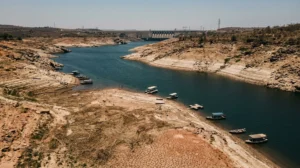
With this, the Brazilian electricity matrix remains predominantly renewable, with hydroelectric plants as its main base, accounting for more than half of all the energy generated in the country. This characteristic is a competitive advantage, but the dependence on rivers also makes the system vulnerable to drought periods and climate change.
To diversify and increase energy security, Brazil has been investing heavily in other sources. Wind energy stands out, especially in the Northeast, as well as solar, which is growing throughout the territory. Biomass plants and gas-fired thermoelectric plants complement the system, ensuring energy when renewable sources are not available.
What are the trends in electricity generation worldwide?
The main global trend is the energy transition, a movement to replace fossil and higher-impact sources with clean and renewable energies, aiming to combat climate change. This drives the massive expansion of solar and wind generation worldwide.
Other important trends are distributed generation, where consumers themselves produce energy, such as using solar panels, and the development of storage technologies, such as large-scale batteries. The digitalization, with smart grids, also advances to optimize energy use.
Ensure continuous and reliable energy with Tecnogera generators!
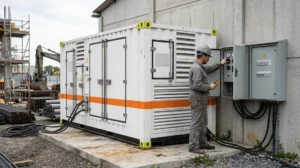
Even with an advanced electrical system, power grid failures can occur, paralyzing critical operations in industries, hospitals, events, agribusiness, and households in general. To avoid losses and ensure the continuity of your activities, a temporary and ready-to-operate power source is the ideal solution.
Tecnogera specializes in providing reliable power where and when you need it. With a modern fleet and specialized technical support, we offer not only power generator rental, but also energy security projects as a safe and efficient solution for any demand.
Don’t let a power outage compromise your operation and results. Count on Tecnogera’s power.