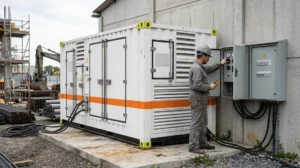
Responsible for ensuring the use of electrical energy in homes and industries, the electrical power transformer is a device that operates within the principles of current induction and has the ability to modify electrical voltage.
There are two different transformer models: the power transformer, which receives electrical energy from the plant and passes it on to the transmission network, and the distribution transformer, which is the last stage before electrical energy reaches the consumer.
Basically, the energy produced by the plants reaches the power transformer at a very high voltage and remains so throughout the length of the power grid wires. This is where the distribution transformer comes into play, reducing this voltage and distributing it to homes, stores, companies, industries, and consumers in general.
To measure the need for an electrical power transformer, just keep in mind that the largest generators from power plants send a voltage higher than 10,000 V, which is impossible for domestic use — which uses voltages of 110 or 220 V.
This high current reaches a coil inside the electrical power transformer, creating a magnetic field.
This energy is then transformed into an appropriate voltage and sent to end consumers.
Considering only the purpose of use, there are four types of power transformers:
- The current transformer, which allows the change from direct current to alternating current
- The power transformer, which acts to send voltage to the distribution system
- The distribution transformer, which passes the voltage through the network wires
- The force power transformer, which sends energy to the final consumer
Throughout this process, the electrical energy voltage is reduced until it reaches homes and businesses in the appropriate measure.