The disadvantages of solar energy include high initial investment, weather dependency, and intermittent generation. Despite being a key player in the energy mix, with a forecast to expand by 10.6 GW in 2025, the technology has limitations.
Among the negative aspects of solar energy, the anti-islanding system stands out, which shuts down the inverter during blackouts to protect grid technicians. This mechanism prevents the use of generated energy during failures, requiring complementary solutions.
How does solar energy work?
The sun is the primary source of this energy type, but conversion requires specific technology for residential or industrial use. Understanding the photovoltaic system and its disadvantages starts with knowing its basic operation and grid integration.
Generating energy from the sun is simpler than it seems. It all starts with solar panels installed on rooftops: they capture sunlight and send it to a device called an inverter. This equipment “translates” solar energy into the type of electricity we use in our outlets to power the TV or refrigerator.
This technology is booming in Brazil. According to ANEEL, the country installed more solar systems in 2024 than ever before, making it one of the favorite sources for Brazilians. During this period, over 14GW were added, marking the largest annual increase in its history.
As a result, solar power accounted for more than 50% of all new energy generation capacity added in Brazil in 2024, surpassing the 52GW accumulated mark in the country.
There are two main ways to use the system:
– Grid-connected (On-grid): the consumer remains connected to the city’s power grid. If the installed system produces more energy than the customer uses, this “surplus” becomes credits that reduce their electricity bill at the end of the month.
– Independent (Off-grid): the system uses batteries to store energy, ideal for remote areas where the common power grid doesn’t reach.
Main disadvantages of solar energy
Understanding the advantages and disadvantages of solar energy is the first step towards a conscious investment.
Although it is a clean and renewable source, investors should carefully analyze technical and geographical factors that influence the project’s feasibility and payback time.
1. High initial installation cost
One of the main concerns with solar energy is the initial investment required to install the system.
The cost varies according to the project’s size, energy consumption, and the number of required equipment, both in residential and industrial applications.
A large portion of this cost is related to technological components, such as solar panels and inverters, which represent the largest share of this initial investment.
In larger projects, structural adjustments and complementary monitoring systems may also be necessary.
The cost is high, but the average payback occurs between 4 and 6 years in Brazil. Adopting solar energy is a capital-intensive investment that requires solid financial planning for companies, establishments, and residences.
2. Dependence on weather conditions
Solar energy on rainy or cloudy days has lower production because it directly depends on solar radiation incidence. The energy efficiency of the system drops significantly in seasons like winter or in regions with constant high cloudiness.
Market data shows that production can vary drastically depending on geographical location and climate. This fluctuation requires consumers to have a complementary source to ensure supply during low-light periods.
3. Need for installation space
A standard system requires a large open and shadow-free area, which can be one of the biggest challenges of solar energy.
In small apartments or commercial properties, the lack of roof space makes self-installation unfeasible. When the roof is unsuitable, the alternative is ground or pergola installation, which increases costs.
Additionally, the property’s structure must be assessed by specialists to support the extra weight of all equipment.
4. Intermittency and energy storage
Solar energy generation occurs only during the day, creating a need for storage in batteries for nighttime use. However, the cost of lithium batteries is still very high for most industrial projects.
On-grid systems solve this by using the public grid but remain vulnerable to local utility failures. The dependence on the power grid is a limitation for those seeking total independence without investing in battery banks.
5. Environmental impact of manufacturing
The environmental disadvantages of solar energy include silicon extraction and the use of chemicals. Although the capture source is entirely renewable, the production chain still consumes fossil fuel energy in some countries.
The disposal of old panels at the end of their life, usually 25 years, poses a logistical and ecological challenge. Although recyclable, Brazil still lacks robust infrastructure for mass processing of these technological waste.
6. Limitations of the anti-islanding system
The anti-islanding system is a safety mechanism present in grid-connected solar systems (on-grid).
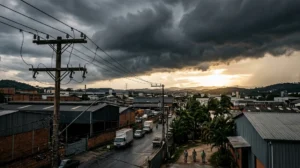
When there is a power outage from the utility, the inverter automatically shuts down to prevent generated energy from being sent to the external grid.
This feature ensures the safety of technical teams working on grid maintenance, reducing risks of shocks and accidents.
In practice, this means that the solar system also stops providing energy during blackouts, even if there is solar incidence at the time.
Therefore, for operations that require continuous energy supply, it may be necessary to use complementary solutions, such as battery banks or backup generators.
In off-grid systems, which operate independently of the public grid and use battery banks, energy remains available even during utility failures, as long as there is sufficient stored charge to meet demand.
7. Maintenance and equipment durability
Cleaning solar panels should be done periodically to prevent dust from reducing capture efficiency.
Additionally, although panels last, on average, 25 years, the solar inverter usually requires replacement in half that time.
Neglecting maintenance can cause severe generation losses and increase operational costs over time. It’s important to check manufacturing warranties, which usually cover defects but rarely include periodic cleaning.
8. Few government incentives
Brazil reduced some incentives after the Law 14.300, which changed the charge for using the distribution network. Compared to European countries, direct subsidies for equipment acquisition are still considered limited by the industry.
Additionally, taxes on imported components can increase the final project cost for Brazilian consumers.
What are the types of solar energy?
Not all solar systems serve the same technological or commercial purpose in today’s Brazil. It’s essential to differentiate technologies to understand what’s positive and negative about solar panels according to your energy needs.
Photovoltaic solar energy
- Characteristics: converts sunlight directly into electricity through pure silicon semiconductor cells.
- Advantages: allows significant reduction in electricity bills and has relatively quick installation on various rooftops.
- Disadvantages: the photovoltaic system has high battery costs and total nighttime intermittency.
Solar thermal energy
- Characteristics: uses collectors to heat water stored in thermal reservoirs, called boilers.
- Advantages: is a low initial cost solution to reduce expenses with electric showers in homes.
- Disadvantages: its use is limited to heating fluids, not generating electricity for electronic devices.
Heliothermal solar energy (thermosolar)
- Characteristics: concentrates solar heat through mirrors to generate steam and drive large turbines.
- Advantages: allows large-scale industrial generation and heat storage for longer periods.
- Disadvantages: requires large areas for installation and very high investments, making it unfeasible for residential or small commercial use.
How to overcome the disadvantages of solar energy?
Overcoming technical obstacles requires strategic planning and partnerships with engineering and height work specialists.
Tecnogera offers support to ensure your infrastructure performs at its best, regardless of external conditions.
- Conduct a precise load sizing to avoid purchasing underutilized or insufficient equipment.
- Invest in regular preventive maintenance to ensure dirt doesn’t hinder solar capture.
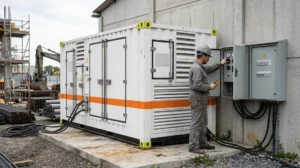
- Combine the solar system with power generators to ensure total autonomy during grid failures.
- Work with companies like Tecnogera, which has expertise in customized solutions for high complexity.
When might solar energy not be the best option?
There are specific scenarios where financial returns take too long or installation is technically unfeasible.
Evaluating whether solar energy is advantageous requires a deep and honest diagnosis of the structure and load profile.
- Properties with significant shading caused by neighboring buildings or large trees that are difficult to prune.
- Roofs with weakened structures or oriented in directions with low direct solar radiation incidence.
- Consumers with low monthly expenses, where the network availability fee cancels out the intended savings.
- Locations where vandalism or theft of equipment in isolated areas poses a prohibitive financial risk.
Solar energy in practice
Real cases help understand how companies deal with the advantages and disadvantages of solar energy daily. Success always depends on the integration of security solutions and qualified engineering for each challenge.
Here’s an example of an industry facing low irradiation in winter, reducing generation by 40% in the cold season. The solution was to resize the array, compensating for seasonal loss with a surplus generated during hot months.
Another situation is a logistics condominium using an on-grid system but suffering from frequent network outages that halted operations.
By integrating Tecnogera generators into their operations, these clients ensured energy continuity even when the solar system shut down due to anti-islanding.
Is it worth investing in solar energy?
Yes, but it’s important to assess whether your home or business has the right conditions for the system. Knowing both the advantages and key considerations is the first step to making an informed choice that truly saves you money.
Before signing any contract, always seek a tailored evaluation for your case. The secret to success is finding the balance between the amount paid and the assurance that the system will meet all needs for many years.
Ensure energy security with Tecnogera!
The transition to renewable sources requires more than just panels; it demands constant operational security and reliability.
Tecnogera stands out by offering solutions that complement and stabilize solar energy systems across the country.
With 20 years in the market, Tecnogera delivers customized solutions that overcome the disadvantages of solar energy. We focus on energy security so your operation never stops due to weather instabilities or blackouts.
Contact us and discover how to elevate your business’s technological level in your market.