Sustainable Growth in the National Energy Sector
Renewable energy has excellent growth prospects, even with the current scenario impacted by the novel coronavirus pandemic
The pandemic caused by the novel coronavirus has shown that traditional energy sources can make way for renewable energy sources, which are excellent ways to meet demand during recovery. As they do not cause significant environmental impacts, they are considered alternatives to further enhance the energy matrix of Brazil and the world.
The renewable energy sector is constantly evolving to best meet this demand, with knowledge exchange and technology and innovation solutions. In the electric sector, even with the current low demand, it’s time to think about what’s ahead and analyze the future outlook, aiming to integrate current solutions with new energy sources.
Want to know more about the future outlook in the renewable electricity market? Keep following our publication and learn more!
The Current Energy Scenario
Renewable energy sources do not cause environmental impact or release gases or waste that are harmful to society or the environment. The current energy sector scenario is widely affected by the pandemic caused by the novel coronavirus, mainly due to the slowdown of the national and international market and the reduction of investments.
An example is the growth and evolution panorama detected before the pandemic, with a broad trend towards renewable energy sources by government and private sector actions. Consumption habits have changed, the reduction in people’s movement has directly impacted the vehicle sector in general, and consequently, the consumption of fossil fuels.
For the recovery of the renewable energy sector, a positive point is that clean energy helps further reduce greenhouse gases and protects communities. In Brazil, it can serve as a great source for economic recovery, as new projects may require specialized labor and equipment, in addition to increasing investment in technology expansion.
Investment in Renewable Energy
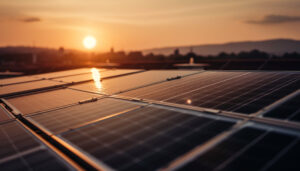
A great investment source is distributed energy generation, especially after the regulation of the free market and the high demand for projects in the area. These projects are generally initiated from solar sources, and large companies seek to buy this type of energy both for commitments to reduce gas emissions and due to societal demands, which directly influences the business image.
Another important point is that the Federal Government considers the electric energy and basic sanitation sectors as priorities for receiving new investments. BNDES has partnerships with other financial institutions to contribute to low-interest financing initiatives for companies using renewable electric energy. The benefit, in return, allows for this type of diversity.
Starting in 2023, consumers with an average demand exceeding 500kW will be able to choose the suppliers and concessionaire that will meet their energy demand. The Government estimates that the negotiated volume, which was R$ 134 billion in 2019, will triple within a decade in the country. This demonstrates the potential for investment and growth in renewable energy.
Renewable Sources and Future Outlook
The renewable energy market presents a good outlook and a large volume of projects in the short and medium term, even with the pandemic’s effects on the global market. These projects are still closely tied to returns, with little focus on digital transformation and better structuring, which can be a key point for business evolution.
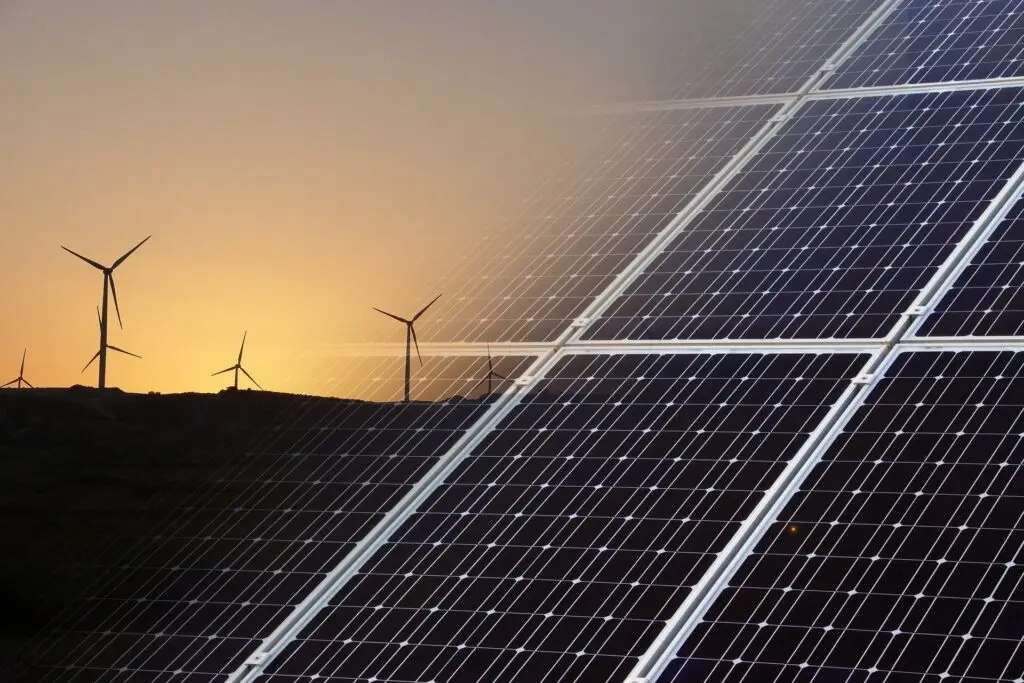
Technological advancements are essential to break business paradigms, putting companies on a path more focused on reducing waste and making quicker decisions. In Brazil, the outlook is clear for a transition to renewable sources, especially focused on wind and solar energy.
Solar energy is an interesting generation form for small and medium businesses that can request financing and install infrastructure to meet demand. This allows for calculating average consumption and adjusting installments so that the amount paid during financing remains the same, and after a period, all electric energy becomes available for consumption.
Wind energy is beginning to stand out mainly due to the wide availability of space and the ideal position of the country with a long stretch of winds in various locations across its territory. The technology makes areas previously unpopulated and not receiving investments ideal for positioning generation infrastructure, being essential in the evolution of renewable energy.
Positive Points of Evolution
A great point of evolution in the application of renewable energy, which allows for even more optimization for the sector, is the business management itself, attracting new investments. A company interested in renewable energy generally also cares about sustainability and its image with consumers, demonstrating agility and a focus on efficiency.
Another important positive aspect is the ability to integrate different points of the generation and supply chain for advanced data analysis. A vast amount of information improves risk analyses, understanding scenarios and demand variations, and even acting in failure prevention.
This allows for greater automation capacity, aligning with the idea of using renewable energy to deliver more efficiency in the energy matrix, allowing for an even greater sustainability footprint in the business.
Learn More!
The future outlook for the adoption of renewable energy, even with the current scenario directly impacted by the pandemic caused by the novel coronavirus, is one of growth and investment evolution.
Want to know more about renewable energy generation and other industry news? Keep following the publications on our blog!