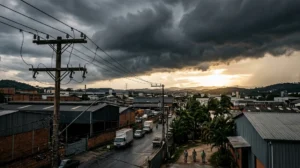
We live in a country of continental dimensions, and supplying energy to the entire territory is still a major challenge. From North to South, different energy sources (hydroelectric, thermoelectric, and wind) are used at different times to ensure supply.
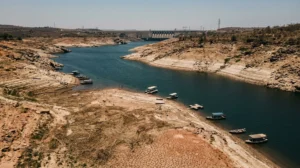
In Brazil, most of the energy produced comes from hydroelectric plants, which account for 75% of the total. Energy from thermoelectric plants represents approximately 10%, a percentage that can be higher, especially in times of drought and low reservoir levels. The rest is divided between wind (3%), solar, and nuclear.
Discussion on Thermal Energy
However, whenever the topic is the use of thermal energy or even the construction of new plants for generating this type of energy, the advantages and disadvantages come into discussion. Disadvantages such as the high cost of energy production are at the top of the list, since most plants use fossil fuels and natural gas, which are non-renewable raw materials.
Advantages of Thermal Plants
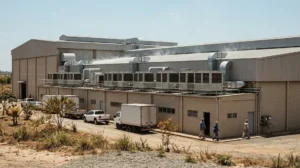
However, some characteristics of thermal plants still perfectly fit the needs of the Brazilian economy. Among them, the fact that thermoelectric plants are easier and cheaper to build and can be implemented close to the regions where the energy will be used, saving on transmission networks, stands out.
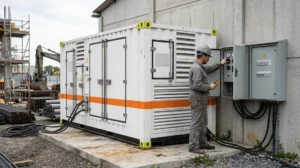
With the size of the Brazilian territory, it is inevitable that, to reach some areas, the only alternative is the installation of small or large thermal plants. The so-called isolated projects, whose objective is precisely to bring energy to inaccessible areas without a transmission network, are clear examples of the need to diversify energy sources.
Even for the construction of a new hydroelectric or wind plant, for example, it is necessary to install a small power generation plant, usually powered by fossil fuels.
Sustainability and Technology
Regarding the environmental impacts due to generation from non-renewable sources, one of the main alternatives is to seek and invest in more efficient technologies, that is, those that generate more energy with less raw material.