

How the Electric Energy Tariff Flags Work
The tariff flag system created in 2015 by ANEEL signals to consumers the cost of power generation through three colors. Green: no additional charge, favorable conditions for hydroelectric plants. Yellow: R$ 1.50/100kWh, limited use of thermoelectric plants. Red 1 (pink): R$ 4/100kWh and Red 2: R$ 6/100kWh, higher reliance on expensive thermoelectric plants. Generators can assist companies during peak hours to reduce costs during unfavorable flags, with monthly planning based on ANEEL’s information.
What is distributed generation?
Distributed Generation is power generation located near or at the consumer’s site, eliminating the need for long transmission lines and reducing costs and environmental impacts. It includes cogeneration, emergency generators, photovoltaic panels, and small hydroelectric plants. Benefits include postponing network investments, low environmental impact, loss reduction, and energy matrix diversification. It can serve as a primary source or decentralized backup. Ideal for peak hours…
What is hydrological monitoring?
Hydrological monitoring collects, processes, and manages atmospheric data on rainfall and river flow through rain gauges, stream gauges, and weather stations. It’s essential for urban water resource management, disaster prevention, and forecasting water volume for hydroelectric plants. The plant…
Largest hydroelectric plant in the world: find out which one it is
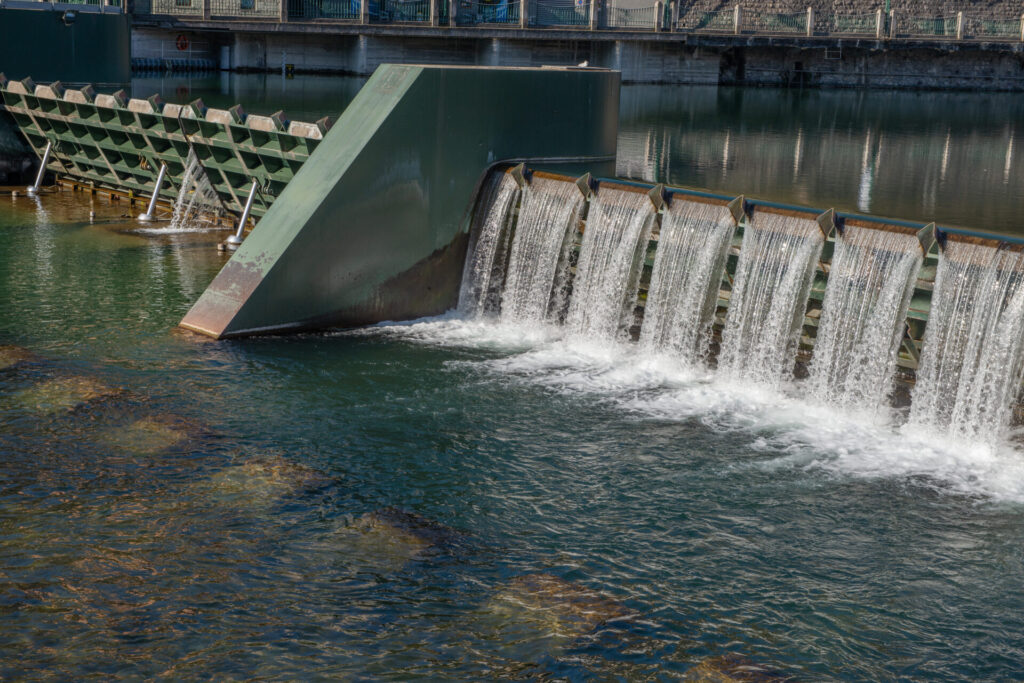
The ranking of the 10 largest Brazilian hydroelectric plants is led by Itaipu/PR (14,000 MW, provides 8.7% of national energy), followed by Belo Monte/PA (11,233 MW), São Luíz do Tapajós/PA (8,381 MW), Tucuruí/TO (8,370 MW) and Santo Antônio/RO (3,300 MW). The Top 5 represents 70% of the energy consumed in the country. Completing the list: Ilha Solteira/SP (3,444 MW), Jirau/RO (3,300 MW), Xingó/AL-SE (3,162 MW), Paulo Afonso IV/BA (2,462 MW) and Jatobá/PA (2,338 MW). Brazil also has thermoelectric and nuclear plants, but hydroelectric plants are the main generators with less environmental impact.
Diesel Power Generator – Where to Use?
Diesel power generators use the combustion of this fuel to produce electricity through a magnetic field. They are employed in large-scale locations such as hospitals, supermarkets, shopping malls, airports, cinemas, and events. They provide autonomy and security for places that require constant energy, with the ability to handle power grid fluctuations or outages. Despite their robust structure, they offer efficient soundproofing.
What is an Enclosed Generator? Protection and Low Noise
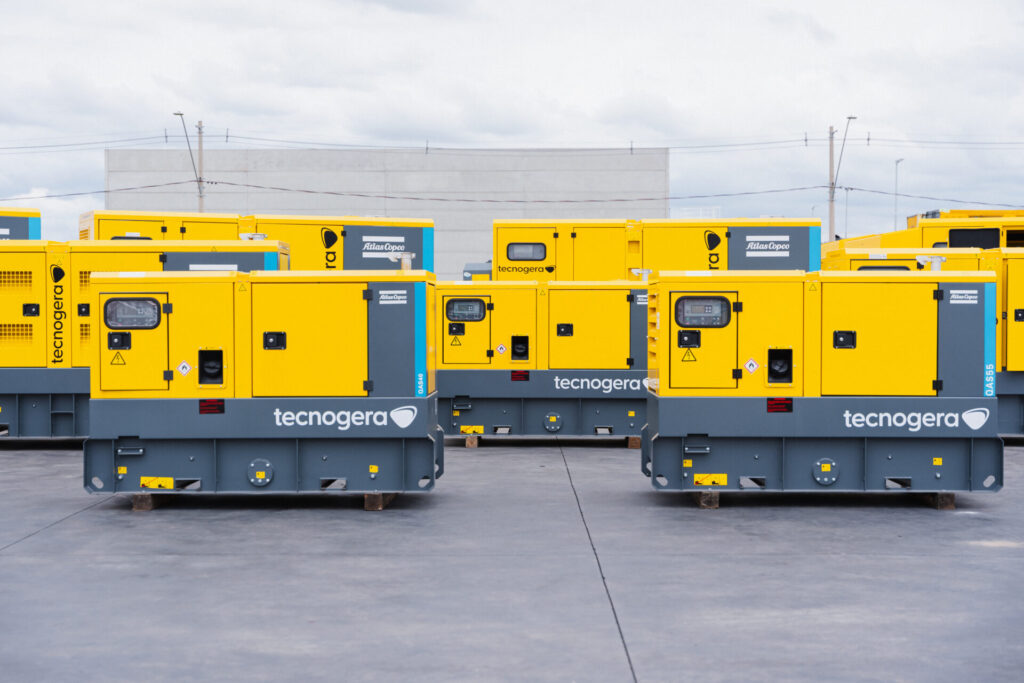
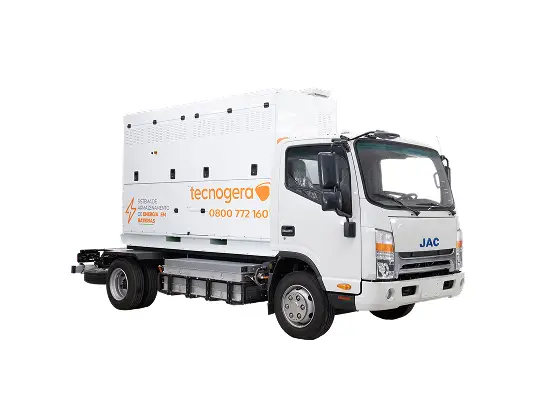
An enclosed generator is a power generation equipment featuring a metal structure internally lined with thermoacoustic foam, significantly reducing operational noise. Its features include weather protection, noise levels between 75-85 decibels, and easy maintenance through side doors. It’s ideal for hospitals, schools, libraries, hotels, and environments requiring low noise levels. Tecnogera offers modern and economical enclosed generator sets with comprehensive service.
Check the status and levels of the hydroelectric reservoirs
The water crisis continues to concern Brazilians. Beyond the possibility of water shortages, there’s growing worry about energy supply failures. Much of the energy comes from hydroelectric plants that use water power. Reports from ONS indicate that reservoirs in the Southeast and Midwest should reach 37%, eliminating the possibility of rationing. The country has increased the use of thermoelectric plants, reaching 20% of consumption, raising electricity bills. A combination of reduced consumption and economic slowdown has averted the need for rationing, despite 17 of the 28 main reservoirs having lower volumes than the same period last year.
Power technology working for the environment
Essential to our lives and daily routines, power generation impacts nature. Each process has its pros and cons, not only regarding the environment but also in terms of feasibility and costs. Learn more about how technology can be used to reduce environmental damage and discover the most sustainable forms of electricity production. Hydroelectric power is the most common in Brazil: about 80% of Brazilian energy is produced this way.
Wind Turbine: what it is, how it works, and its advantages
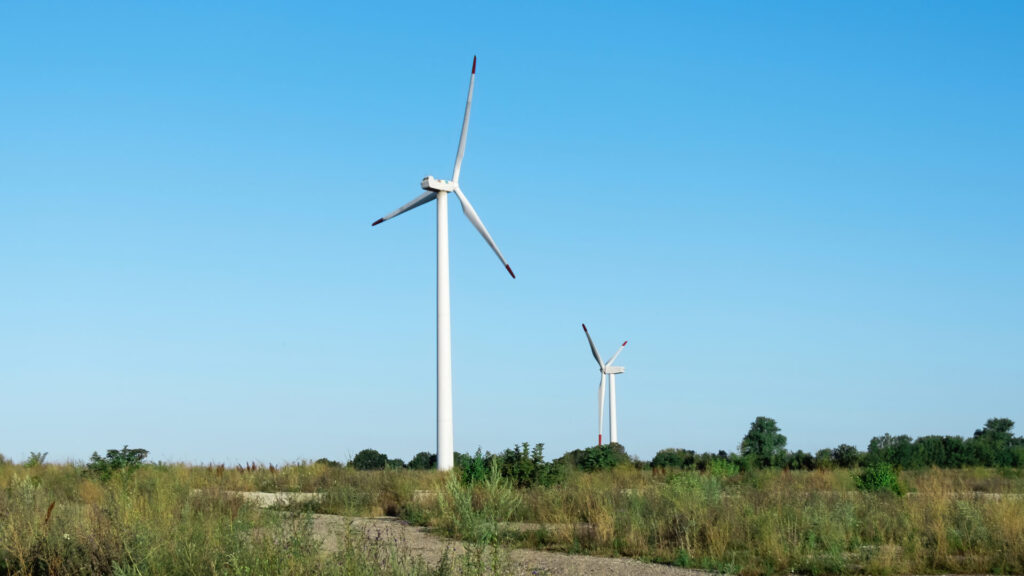
The wind turbine transforms wind energy into electricity, being a sustainable energy generation solution. They are large blades driven by the wind, found in groups to ensure better capture. It works with a rotor, bearings, measurement system, and rotating blades generating mechanical force transmitted to the gearbox that increases shaft speed. Brazil has vertical and horizontal axis models, with horizontal being more developed and suitable for large-scale production. Advantages include less…
How Electrical Power Transmission Lines Work
The electrical power transmission system transports electricity from power plants to end consumers through high-voltage lines. In Brazil, 70% of the energy comes from hydroelectric plants like Itaipu. The system has three main components: towers that support the cables, insulators that prevent losses, and substations that adjust the voltage for safe use.