Distributed Generation (DG) is a term used to designate electricity generation carried out near or at the consumer’s location, regardless of the power, technology, and energy source used. As a result, Distributed Generation eliminates the need for transmission and distribution lines for the energy to reach the final consumer, reducing costs and impacts related to the conventional form of energy generation, called centralized generation.
Difference between Centralized and Distributed Generation
Centralized generation uses a large generating source, such as thermoelectric or hydroelectric plants, which are usually installed in more remote locations. In this case, transmission and distribution lines are necessary for the energy to reach the consumer.
Types of Distributed Generation
The Distributed Generation process includes:
- Cogeneration
- Generators that use process fuel waste as an energy source
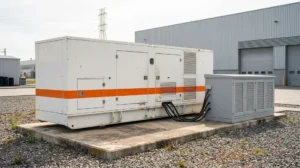
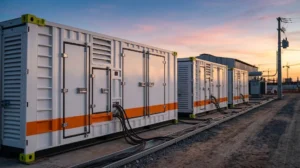
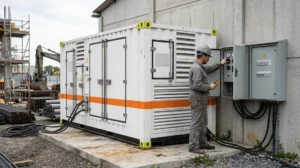
- Emergency generators
- Generators for peak time operation
- Photovoltaic panels
- Small Hydroelectric Plants (SHPs)
Benefits of Distributed Generation
Distributed generation provides several benefits to the electrical system. Among them, we can highlight:
- Postponement of investments in the expansion of transmission and distribution systems
- Low environmental impact
- Reduction in network loading
- Minimization of losses
- Diversification of the energy matrix
Distributed Generation Modalities
Distributed generation can be carried out in two ways:
- Energy source: when DG is used as the main energy source
- Decentralized reserve: when DG is used to meet needs in cases of blackouts and excess demand
Considerations for Implementation
It is up to the consumer to take the initiative to install Distributed Generation alternatives. Some important tips:
- Evaluate the cost/benefit ratio for installing energy generators
- Consider energy generation during peak hours to reduce costs
- Invest in backup generators for emergency situations, especially in critical establishments such as hospitals and supermarkets
Be sure to evaluate all possibilities and consult specialists to find the best solution for your energy needs.