

How can water shortages impact power outages?
Water shortages impact power outages because Brazil’s power generation relies heavily on hydroelectric plants like Itaipu. With scarce rainfall, insufficient water levels prevent these plants from generating enough energy for a country of this size. The result is rationing, blackouts, and discomfort. This crisis stems from a lack of investment to increase reservoir capacity. The solution would be to invest in alternative sources like solar and wind.
What is distributed power generation?
Beneficial for both the user and the environment, distributed generation refers to electricity generation by independent consumers. This involves using renewable energy sources or those with high energy efficiency — such as hydropower, solar, wind, or biomass. In addition to producing their own electricity, consumers can supply any excess to their local distribution grid.
What are the main applications of power generators?
As everyone knows, electricity is considered the most convenient and, at the same time, the most efficient way we currently have to transport energy and consequently use it in various manufacturing processes. Its emergence came as a replacement for steam-powered machines; the form of energy used and, why not, responsible for the industrial revolution.
Alternating and Direct Current: Understand What They Are, Differences, and Benefits
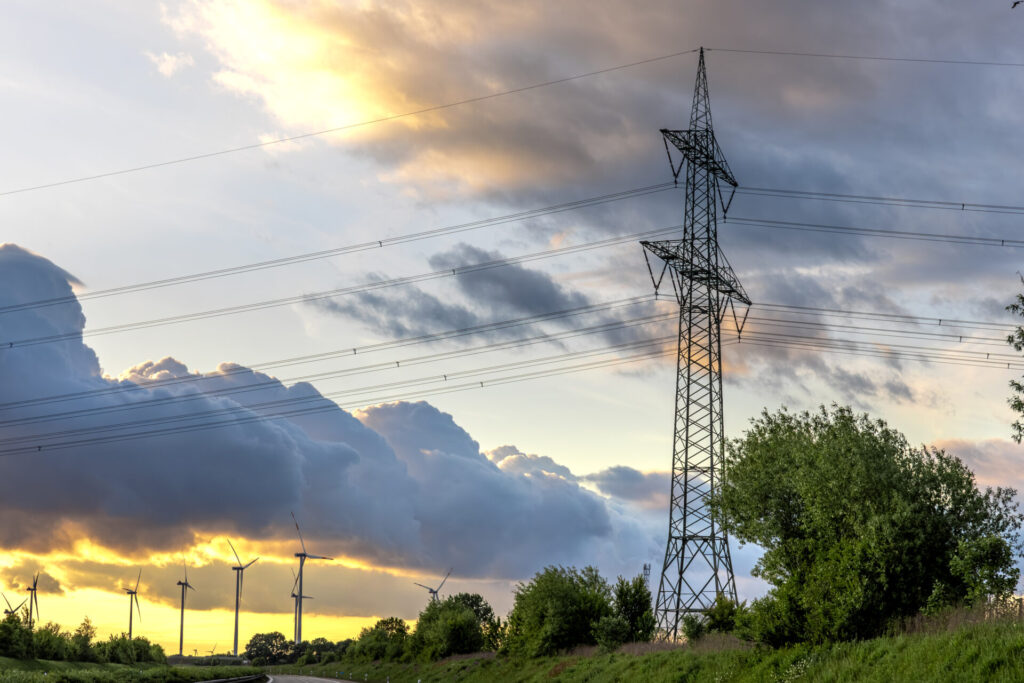
Electric current is a flow of electrons through a conductive wire. In direct current, electrons move in a single, continuous direction, while in alternating current, they constantly change direction. The main difference lies in transmission capability: alternating current can reach higher voltages and travel longer distances without significant energy loss. Residential electricity is transmitted as alternating current for efficiency, but it must be converted to lower voltages (120V or 220V) for safe home use.
Electric current: concept, types, and applications in generators
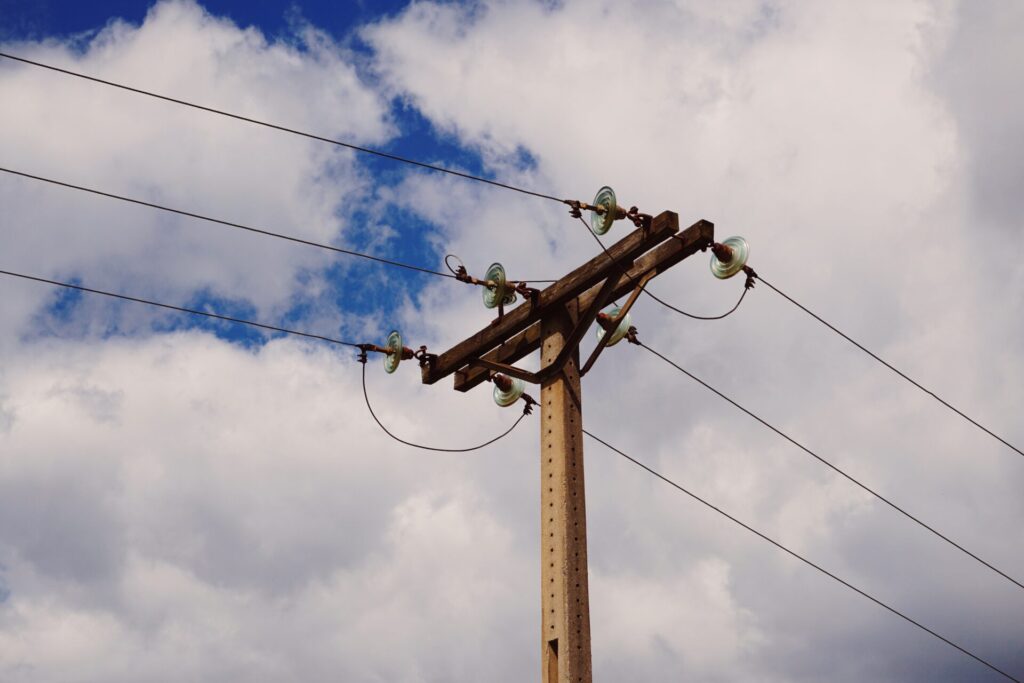
Every electronic device requires a power source to operate, whether from a battery or an outlet. Electric current is the orderly movement of charge-carrying particles (electrons) that occurs in a conductor when there is a potential difference between its ends, known as voltage. Its intensity is measured in Amperes (A) and can be calculated using the formula I = ΔQ/Δt. There are two main types: direct current (batteries) and alternating current (power grid).
What is kVA?
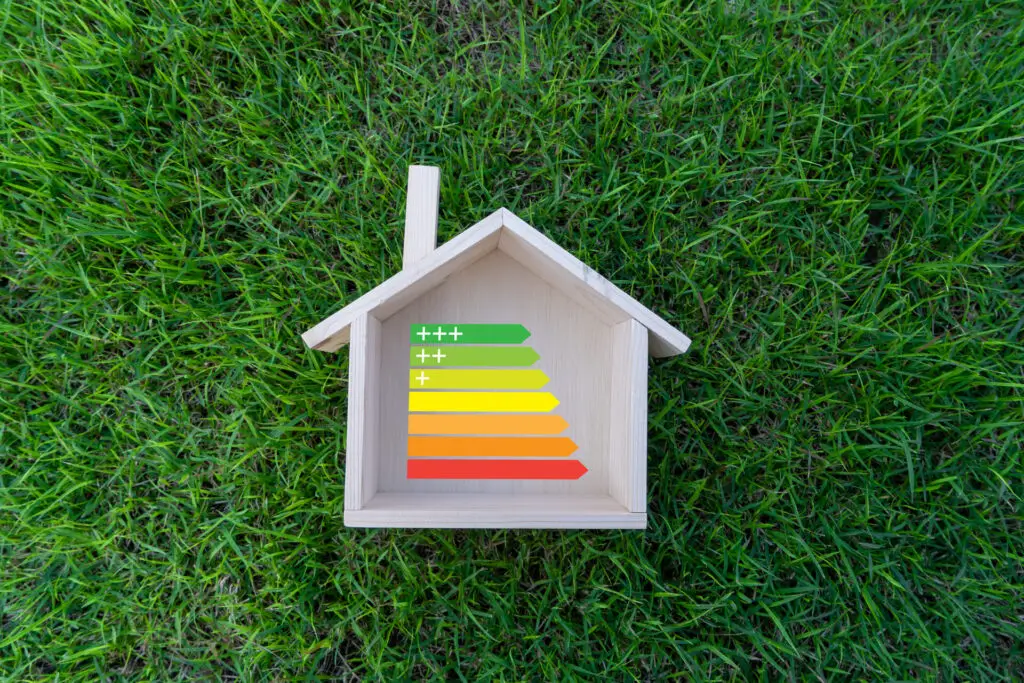
Understanding kVA is crucial for sizing temporary power sources. kVA stands for kilovoltampere and differs from Volts and Watts. It’s essential for the correct sizing of projects and electrical systems. kVA equals 1000 volt-amperes, representing the system’s apparent power, a vector sum of active (Watts) and reactive (Var) power. Accurate calculation is vital to ensure the electrical system meets the required demand, even during peak times. Generators have become more efficient with technological advancements.
Mining: Comprehensive power generation solution
Tecnogera provided a comprehensive power generation solution…