Beneficial for both the user and the environment, distributed generation refers to electricity generation by independent consumers.
This involves using renewable energy sources or those with high energy efficiency — such as hydropower, solar, wind, or biomass.
In addition to producing their own electricity, consumers can supply any excess to their local distribution grid.
Unlike conventional (centralized) power generation, distributed generation does not require transmission and distribution lines for the end consumer to access energy, as they are supplied by smaller power generation sources installed nearby.
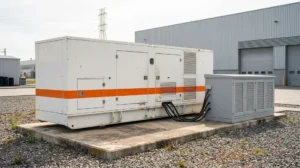
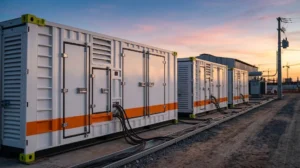
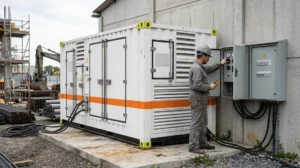
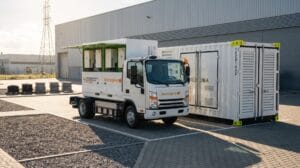
This production is carried out through microgeneration (installed capacity of 100 kW or less) and minigeneration (from 101 kW to 1 MW) of electricity, which includes generators and cogenerators, generators using process fuel residues, emergency generators, peak-hour generators, photovoltaic panels, and Small Hydroelectric Power Plants (SHP).
In Brazil, ANEEL Normative Resolution No. 482/2012 establishes that distributed generation sources must be renewable or have high energy efficiency, with the excess energy generated being converted into “energy credits” to offset future consumption.
However, these credits cannot be converted into cash.
Besides direct benefits for the user, distributed power generation offers the following advantages:
- Cost savings on transmission investments
- Reduction of energy losses in transmission and distribution lines
- Improved stability and reliability of the electricity service
- Decreased environmental costs, as well as reduced use of materials and labor for building traditional transmission and distribution lines.