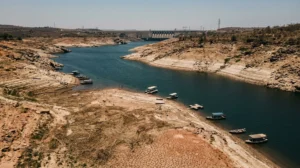
One of the major problems faced by the Brazilian population in 2014 — and which continues in 2015 — is the lack of water, which mainly affects the Southeast region of the country.
In addition to the evident and worrying failure in the supply of potable water to Brazilian homes, another point has been causing concern in households in various regions: the lack of electricity.
Many people do not associate the lack of water with the lack of electricity, but it is worth remembering that the generation of electricity that supplies homes, apartments, stores, offices, industries, schools, and hospitals in the country is mainly done by the power of water in hydroelectric plants, such as the nationally known Itaipu Plant.
With the scarcity of rain, little volume of water is formed, causing the hydroelectric plant to be unable to generate enough energy to supply a continental country like Brazil.
The reflection is energy rationing, occasional blackouts, and much discomfort for those who are used to the conveniences that electricity supply provides.
Complaints from residents about the lack of electricity during the nighttime are not uncommon.
In addition to the lack of rain, this crisis is also the result of a lack of investments to increase the capacity of hydroelectric reservoirs. Therefore, an energy policy is essential to face droughts, since this is the main form of energy generation in the country.
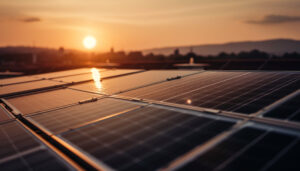
A solution to avoid situations like the one we are currently experiencing would be to invest in other energy sources, such as solar and wind.
However, investments in these sectors have also been timid in recent years.
Awareness to prevent water and electricity shortages
Awareness measures are fundamental in various aspects, whether for the preservation of this natural resource itself and also for greater convenience of large urban centers and their residents.
In São Paulo, for example, the demand for potable water is expected to increase by more than 30% by 2040, which also raises energy consumption as the population and the metropolis itself grow.
This number is a warning for new policies to be applied and for the population to use the water they receive with care, saving whenever possible also to prevent energy shortages in their homes.
The same goes for electricity: save.
Your wallet and the environment will thank you!