

Tecnogera: 20 Years of Innovation and Growth
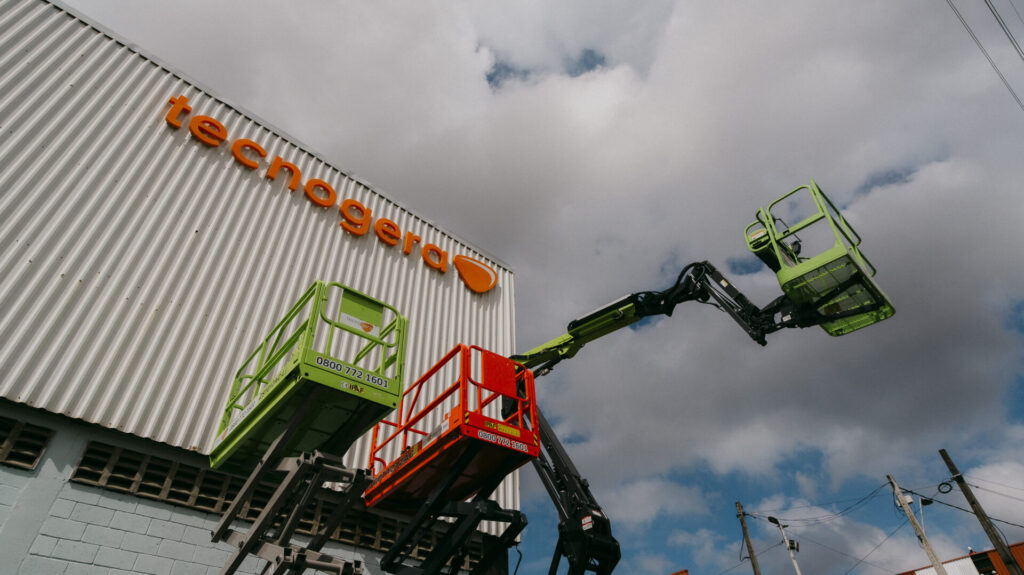
In June, Tecnogera celebrates 20 years of innovation and growth alongside clients, employees, partners, and suppliers. Over two decades, we’ve witnessed the transformations in the Brazilian energy market, expanded our portfolio, and strengthened our commitment to energy security and operational continuity. More than just celebrating a significant milestone, this moment is an opportunity to acknowledge […]
Advantages and disadvantages of hydroelectric power: complete analysis
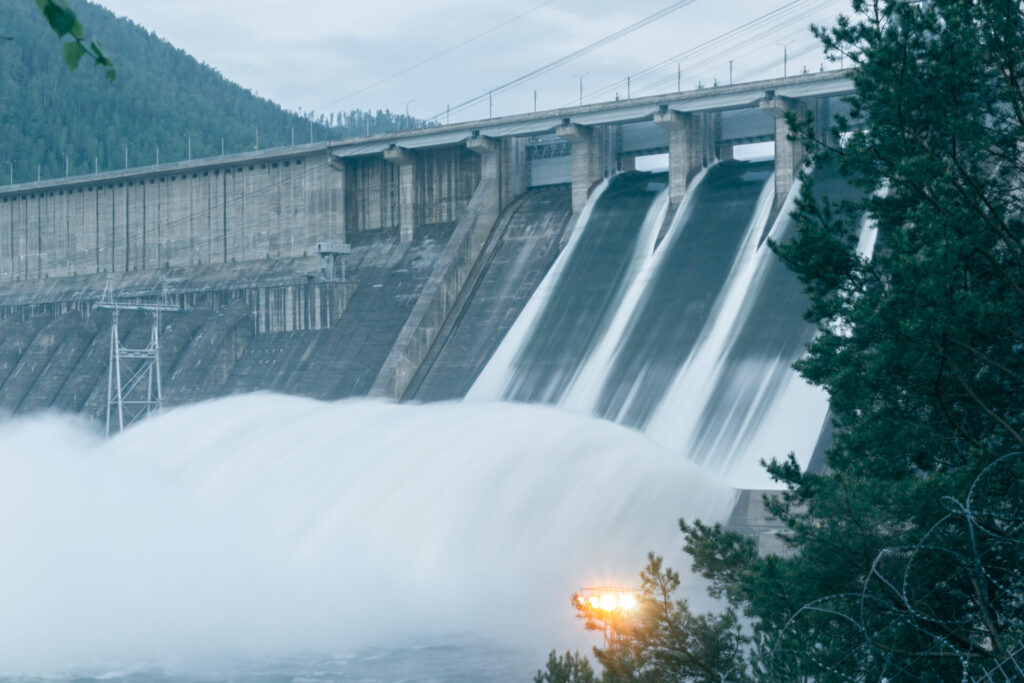
Hydroelectric power is a form of electricity generation that uses the force of moving water to spin large turbines. Recognized worldwide, this source is an essential pillar in the global energy matrix, especially in Brazil, which stands out for its vast hydro potential. In the Brazilian context, hydroelectricity represents about 67% of the installed capacity […]
Energy for corporate events: what to consider when planning?
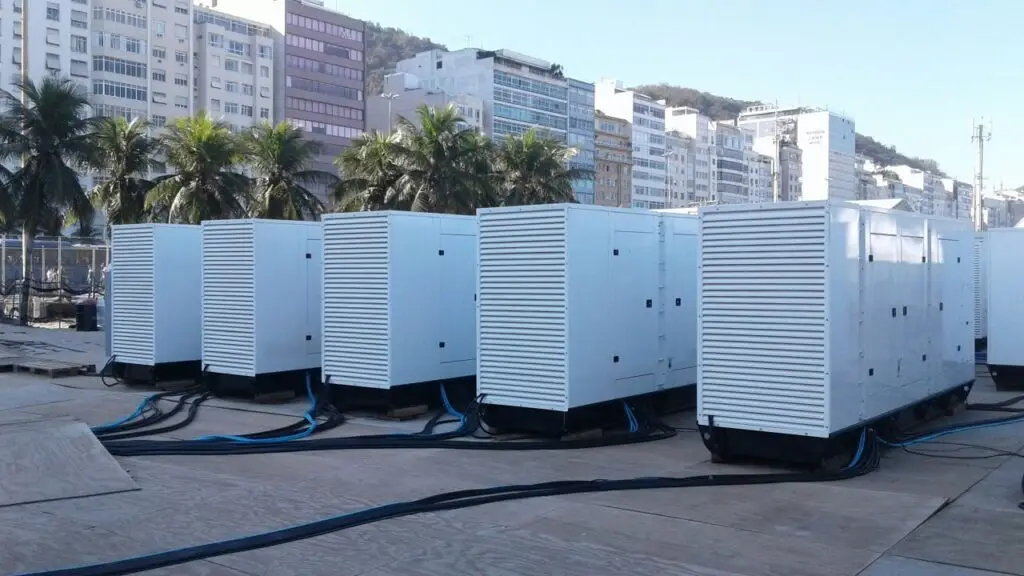
The planning of corporate events should not be done without parallel energy planning. From conferences and trade shows to team meetings or brand activations, energy powers not only the equipment but also the entire audience experience and the reputation of the organizing company. Those involved in event organization know: anticipating, sizing, and structuring the energy […]
Energy Management: Who Should Really Lead This Process in the Industry?
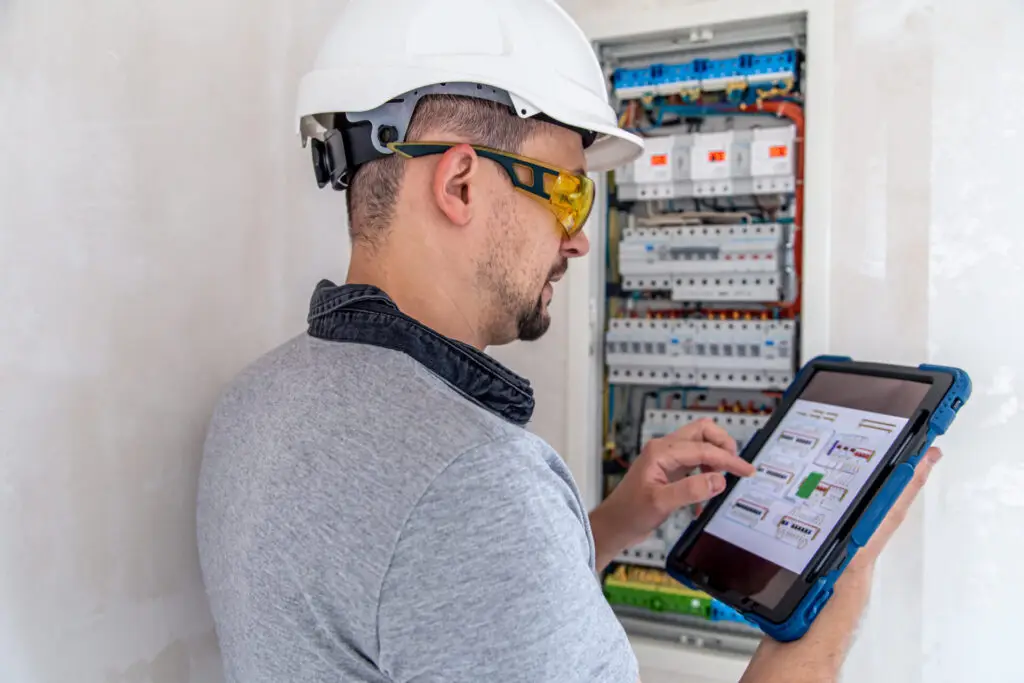
Industrial energy management is driven by a constant and growing demand for efficiency, sustainability, and competitiveness. It is a strategic pillar for operational success, yet many companies still question: who should lead energy management in industries? More than just an isolated operational or technical role, strategic energy management must be viewed as a multidisciplinary process […]
Tecnogera: A New Era Begins
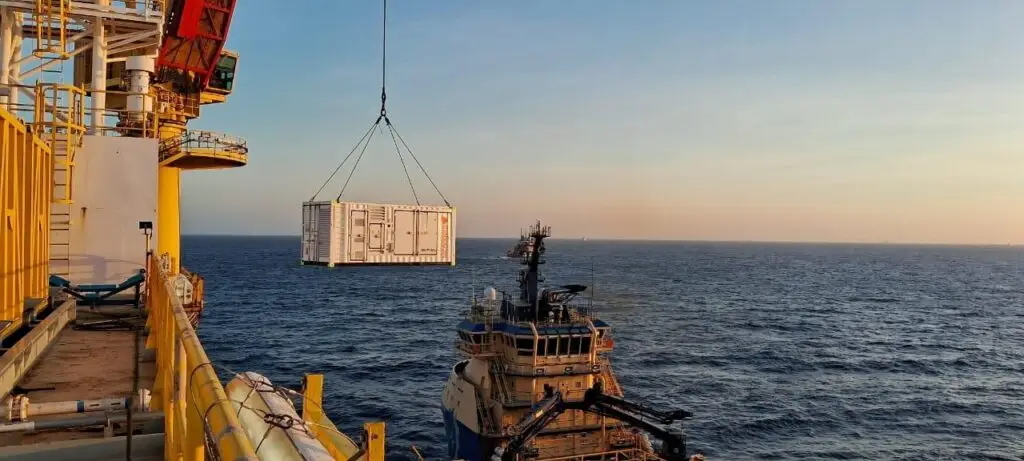
Tecnogera wraps up 2024 with significant achievements, including investments in technology, telemetry, and innovation. Key milestones include the BESS (battery system), nearly 700 employees, brand repositioning, and the largest hybrid aerial platform in Latin America at 51 meters. The BESS made its debut at the Tiradentes Film Festival, promoting energy transition through the reuse of lithium batteries from aerial platforms.
Brazil Windpower: Focusing on Renewable Energy
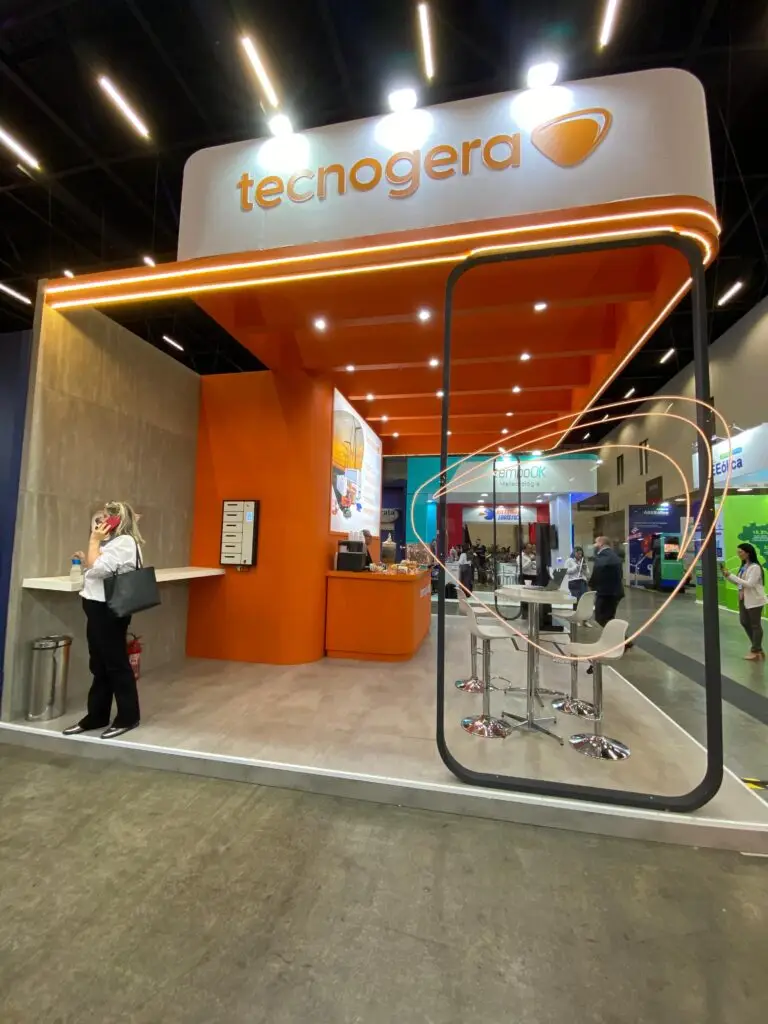
Brazil Windpower reached its 15th edition as the largest wind energy event in Latin America, focusing on green industrialization policy and a fair energy transition. Renewable energies are inexhaustible sources like wind, solar, and hydro with low environmental impact. Tecnogera participated by showcasing solar lighting towers, electric aerial platforms, and temperature control solutions, demonstrating a commitment to sustainable practices and a forward-looking approach.
What Is a Standby Generator and When Is It Needed?
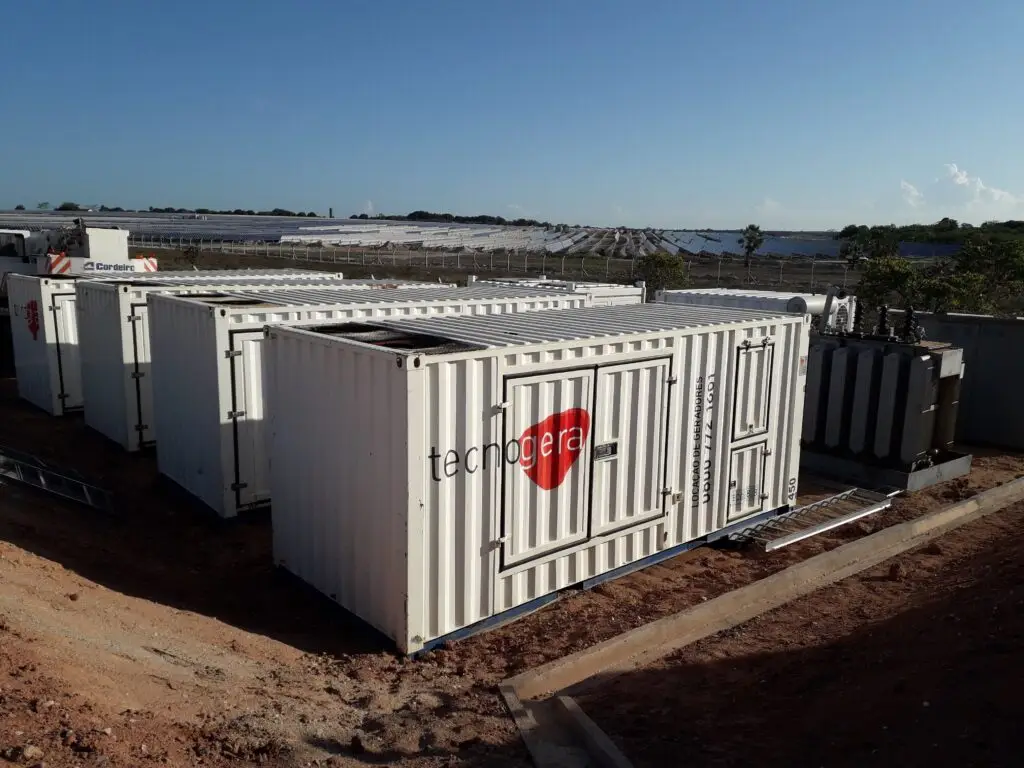
The Standby Generator is an emergency equipment that remains on standby mode until activated during power outages. It is essential for critical situations such as major blackouts that affected Brazil in 2009, 2020, and 2023. Renting offers advantages such as specialized support, savings on maintenance, and flexibility to modify equipment as needed, making it ideal for mining, industries, hospitals, and other critical sectors.
5 Benefits of Renting Power Generators
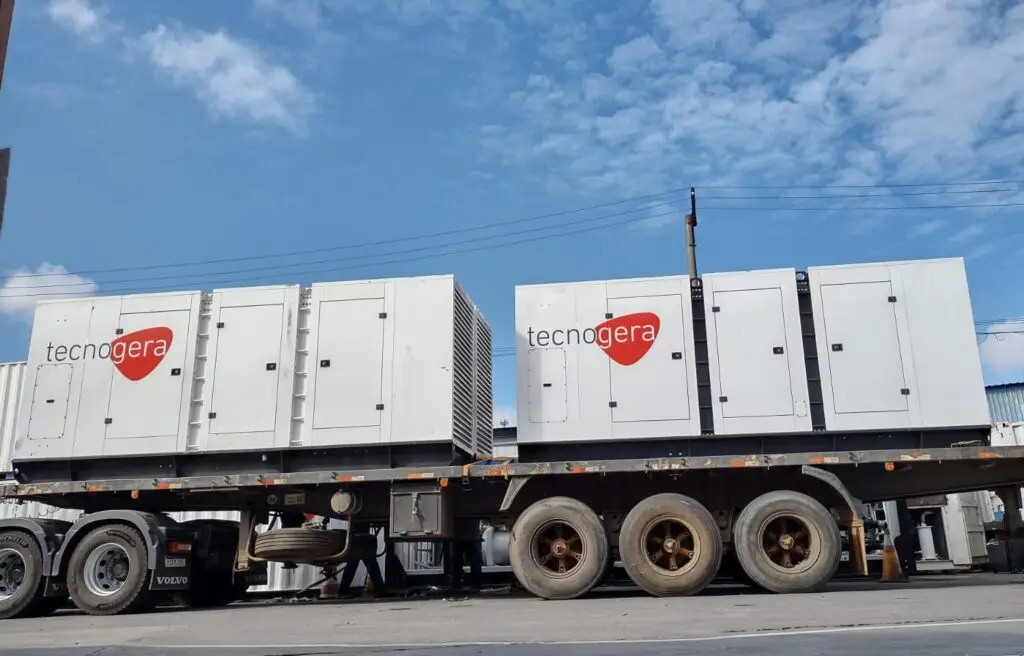
Renting generators offers five main benefits: reduced investment, uninterrupted power supply, maintenance support, reduced exposure to risks, and focus on the company’s core operations. Generators can save up to 30% during peak hours and allow businesses to continue their activities without energy interruptions.
Energy Transition and Aerial Platforms
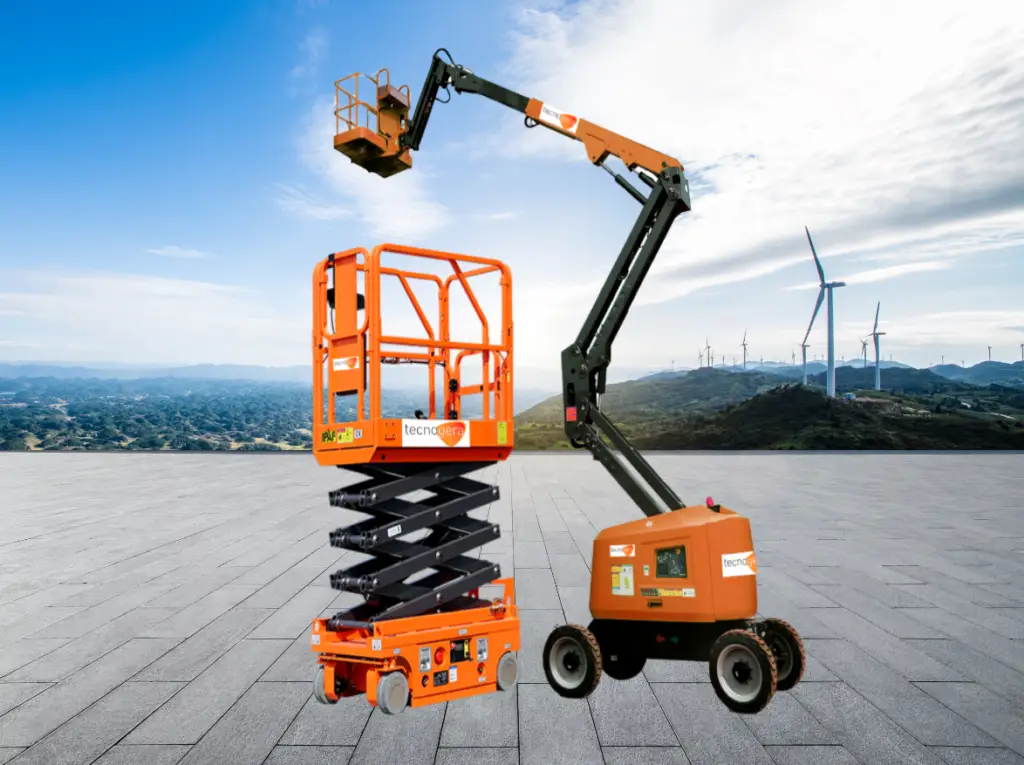
The energy transition encourages the shift from polluting sources to a renewable, low-carbon energy matrix. In the aerial platform market, this shift has led to investment in electric equipment with lithium batteries. These platforms offer the same operational capacity as fuel-powered models, with added benefits such as operation in low temperatures and fast charging.
Tidal Energy: How Tidal Power Works

Tidal energy is generated through the movement of seawater and ocean waves that drive turbines, converting mechanical energy into electricity. It requires a minimum sea level rise of 5.5 meters. Advantages: renewable and clean source, minimal environmental risks, the vast volume of water allows for significant energy generation, simple maintenance. Disadvantages: dependence on wind and maritime conditions, high initial investment, need for reinforced installations, and geographical limitation – only feasible in locations that meet 100% of geomorphological requirements.