

Discover the main causes of a blackout and how to prevent it
Blackouts cause severe social and economic losses, as seen in Amapá over several days. Main causes: accidents in extensive transmission networks, tree falls, weather events, consumption overload, and energy waste. Prevention includes alternative sources like solar and wind energy. A power generator is the best solution: sized according to need, operates for long durations or on demand, and allows cost optimization during peak hours with different utility rates.
What is a load bank and what is it used for?
An essential piece of equipment for testing and validating power generation systems, the load bank ensures a continuous and safe electricity supply. Used in renewable energy plants (wind and solar) for generation and transmission testing, it simulates real load before commercial operation. It also regulates generator sets, optimizing fuel consumption and preventing failures. Renting is a more advantageous option than purchasing, with maintenance and technical support included.
Power plants also require alternative energy
Power plants need power generators for process start-ups, scheduled maintenance, and emergency shutdowns. Black Start testing simulates a total blackout to assess recovery time: at the Jirau plant, 24 of the 50 turbines were restored in 30 minutes. Applications include hydroelectric plants like Itaipu and Jirau, distribution substations, sugar-alcohol industries with self-generation, steam turbo generators. Tecnogera offers the EaaS (Energy as a Service) concept with an extensive fleet for scheduled and emergency situations.
How to rent a power generator. Find out now how to request yours!
The generator rental process requires a thorough analysis of energy demand, installation site, and technical specifications. Key considerations: accurate load calculation (sum of equipment), appropriate noise level, fuel type (diesel, gasoline, natural gas), sizing to reduce peak hour costs. Tecnogera offers the EaaS model (Energy as a Service): solutions from 25kVA to 1500kVA, thermal plants up to 100MVA, Turnkey option (pay only for energy consumed), 24/7 monitoring, maintenance included, specialized technical support. Advantages of rental vs purchase: no responsibility for maintenance, conservation, accessories, and fuel.
World Energy Day (May 29): history, importance, and solutions
Date created in 1981 by the Directorate General of Energy of Portugal to raise awareness about the responsible use of electricity. It promotes reflection on energy efficiency, renewable energies, and combating waste. Tecnogera offers EaaS (Energy as a Service) solutions with a modern fleet of generators and participation in a renewable matrix, having commissioned over 2,000 wind turbines in Latin America.
Peak or Seasonal Time-of-Use: Understand What It Is
A specific billing system that links energy consumption to the time of electricity use. Applied to large consumers with high voltage, such as industries and businesses. Two types: THS-Blue (specific demand during peak hours) and THS-Green (distributed generation). Peak hours, usually from 5 PM to 8 PM, have higher rates, justifying the use of power generators as a cost-effective alternative.
Power Transformers: Types and How to Choose for My Business
Electrical transformers convert current and voltage values through windings and a core. Main types: residential autotransformers (110V/220V), electronic (low voltages), distribution (street poles), power (industrial substations), and low voltage (internal circuits). Choice depends on purpose, location, and specific business needs. Incorrect voltage use can permanently damage equipment.
Power generator maintenance: types and how to perform
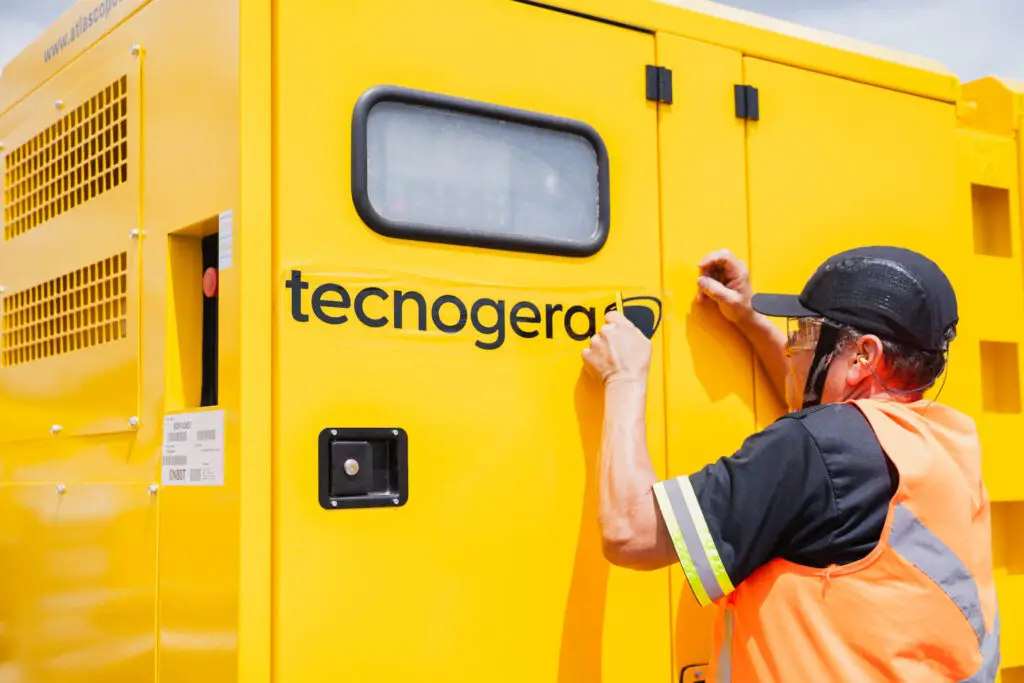
Preventive maintenance of generators is essential to preserve lifespan and ensure performance. Routines divided into specific periods: daily (fuel/oil levels, general inspection), weekly (drainage, battery, filters), monthly (connections, belts, cooling), semiannual (hoses, filter replacement) and annual (complete cleaning). It should only be performed by specialized professionals to avoid irreparable damage.
Electricity Distribution in Brazil: How It Works
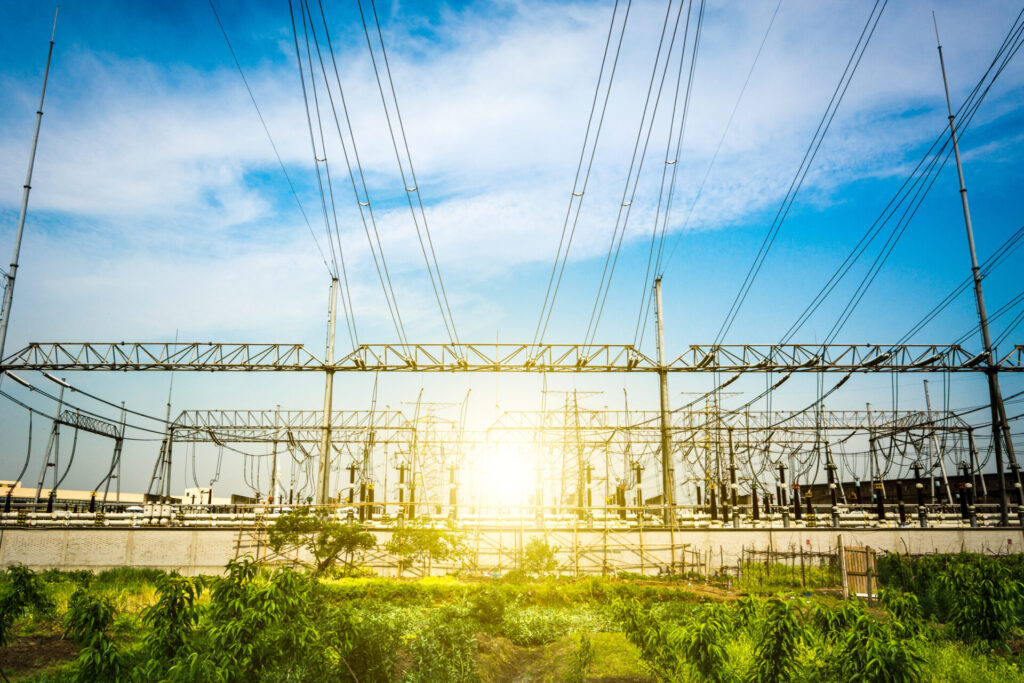
The electricity distribution system in Brazil consists of three main stages: generation (at hydroelectric, wind, thermal power plants, and others), transmission (via high-voltage lines), and distribution (to end consumers). The National Interconnected System (SIN) spans over 100,000 km and covers 98% of the national territory. Although 99.8% of Brazilian households have access to electricity, only 52.97% of distributors provide satisfactory quality, according to IDEC research.
Oil Companies and the Demand for Temporary Power
Petrobras forecasts a 9.5% increase in oil production for 2019 (2.3 million barrels/day), with new facilities like P-74 and Cidade Campos dos Goytacazes. Platforms located up to 300 km offshore do not connect to the SIN due to economic infeasibility, relying on diesel generators for extraction at depths of up to 7,000 meters. Tecnogera offers compact and more fuel-efficient generators, reducing logistical costs and ensuring energy security for up to 150 workers per platform.