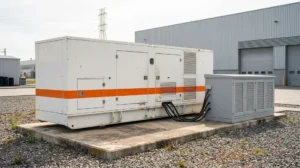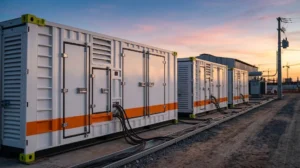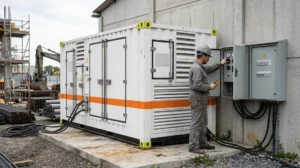
An electrical transformer is a device used for transforming current and voltage values, which can also be used to ensure impedance changes within electrical circuits.
They are basically composed of two components, the winding and the core, with the function of transferring current from one winding to another.
Types of transformers
Transformers used in homes are called autotransformers; they convert 110V to 220V or vice versa. There are also electronic transformers, which convert the voltage from our 127V outlet to significantly lower voltages like 9, 12, 24 volts.
Distribution transformers are those installed on street poles. They receive voltage from substations and step it down to 220/127 volts, the voltage of our residential outlets.
Power transformers are devices installed in industrial and commercial substations that demand more than 75 kilowatt-hours of consumption. In this condition, it is necessary to acquire a transformer that will receive energy delivered by the local utility at medium voltage.
Low voltage transformers are intended for voltage adjustment in internal distribution circuits. Typically with voltages of 440, 380, or 220, they are used with industrial machines, photovoltaic systems, lighting networks, air conditioning, etc.
How to choose a power transformer?
Everything depends on the intended use in your business. Define how energy will reach your establishment or industry, and whether there is only a need to transform energy for certain equipment.
Depending on the location and size of your facilities, voltage adjustment may be necessary. In this case, power and distribution transformers adjust different parts of a circuit, making electrical energy transmission over medium and long distances more economical.
They are used by energy utilities, interconnecting power generation and transmission systems with systems located where distribution occurs. However, they can also be employed in large industrial substations.
Autotransformer
The autotransformer allows for the adjustment of electrical voltage supplied by the energy distributor. They can be activated according to the device’s needs.
Types of voltages
In theory, electrical voltage is responsible for carrying electrons through conductors (wires) to the device, and the current is responsible for making it work.
In Brazil, there are voltages of 127 volts and 220 volts, depending on the utility responsible for distribution in your city.
As mentioned, some devices are only available at 220V, and depending on the intended use, they must receive the correct operating voltage through an autotransformer.
What happens if I plug my device into the wrong voltage?
A device that operates at 127V, plugged into a 220V outlet, will receive a high voltage load and may burn out. Meanwhile, 220V equipment plugged into a 127V outlet probably won’t work.
Before choosing a transformer, ensure it complies with all current standards to guarantee the safety of your devices. We work with the best power generation equipment for your business, contact us! Don’t forget to follow our blog for industry tips and news.