Essential to our lives and daily routines, power generation impacts nature. Each process has its pros and cons, not only regarding the environment but also in terms of feasibility and costs.
The different energy sources and their impacts
Hydroelectric Power
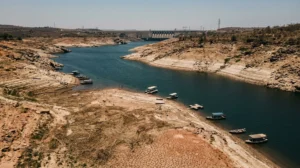
Hydroelectric power is the most common in Brazil: about 80% of Brazilian energy is produced this way. The main advantage is the low emission of greenhouse gases. On the other hand, there’s the environmental impact of river damming.
Coal-fired Thermal Power
Coal-fired thermal power plants have high emissions of greenhouse gases, also causing pollution with elements that can harm residents’ health and even lead to acid rain.
Biomass Energy
An alternative is biomass-fired thermal power, which has virtually zero greenhouse gas emissions. The downside is the need to cultivate raw materials, which can lead to deforestation.
Nuclear Energy
Nuclear plants face numerous criticisms due to radioactive waste and the risk of accidents.
Wind and Solar Energy
Wind and solar power have minimal environmental impact and do not emit greenhouse gases. The downside is their dependence on weather conditions and low productivity.
Emerging Technologies
There are also technological advancements like fuel cells, which generate energy from hydrogen, oxygen, natural gas, gasoline, among other elements. This technology can reduce environmental impacts and has been implemented on a small scale in the United States and Japan, for example.
Commitment to the Future
For this and other technologies to spread, there must be a public and private commitment from companies and society.
In addition to sustainable practices for controlling pollutant emissions, waste treatment, water, paint, and oil recycling, Tecnogera is aligned and committed to environmental management policies related to power generation.
Aware that every company worldwide, regardless of its industry, should seek sustainable growth, the company aims to establish new means of energy production, aiming to mitigate potential environmental impacts.