The water crisis is an issue that continues to concern Brazilians.
Besides the possibility of a shortage of potable water in homes, there is growing concern about failures in the electricity supply system.
This is because a large portion of the energy generated in the country comes from hydroelectric plants, which use the power of water.
Status of the Hydroelectric Reservoirs
Even considering that the dry season, according to meteorologists, begins in May, the expectation pointed out by reports from the National Electric System Operator (ONS) is that the reservoirs located in the Southeast and Midwest regions will rise.
According to the agency, these reservoirs should reach an average capacity of 37% by next month, which practically eliminates the possibility of rationing in the country.
“I would say that in 2015 the probability of rationing tends to zero. We are moving further away from rationing every day, but it has been a daily management because, as we know, the water crisis was very deep and has been very deep,” stated the Minister of Mines and Energy, Eduardo Braga.
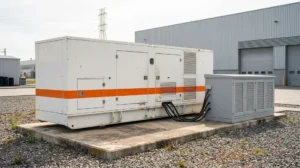
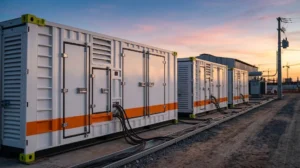
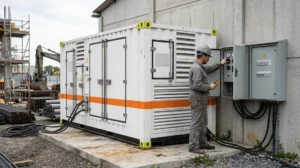
It is worth remembering that, due to the lack of rain, the country began to invest more in the use of thermoelectric plants (power generation through the burning of fuels), reaching a level of 20% of internal consumption.
However, the use of energy from thermoelectric plants is what increased the electricity bill at the end of the month, as this is a more expensive process.
Another important fact is that electricity consumption has also been reduced in Brazil.
People have become aware of the need to save electricity through proper use within homes.
Additionally, the economic slowdown has led businesses and industries to adjust their operations.
The combination of these factors was responsible for averting the possibility of electricity rationing, at least for now.
Level of the Hydroelectric Reservoirs
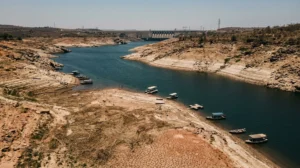
Despite the reduction in electricity consumption and the positive outlook from ONS, the situation of the hydroelectric reservoirs is concerning, compared to the same period last year.
The majority of the 28 main reservoirs distributed across Brazil have lower volumes than they did a year ago: 17, with 10 in the Southeast alone and nine of the total with less than 20% water volume for power generation.
This volume was even lower at the end of 2014 and the beginning of 2015.
Therefore, the ONS report remains positive and indicates that there will be no need for rationing.