The power analyzer is a device that measures, records, and analyzes the electrical parameters of a system. It is used to identify electrical power quality issues, optimize consumption, and ensure the safety of installations.
Its operation is based on real-time data collection for precise diagnostics. This tool allows companies and industries to obtain a detailed electrical diagnosis, revealing everything from excessive consumption to the presence of network distortions. This enables strategic decisions to reduce operational costs and extend equipment lifespan.
For companies that depend on continuous and stable power supply, identifying problems before they cause outages is a strategic, not just technical, issue.
The power analyzer is the equipment responsible for this diagnosis: it measures, records, and analyzes in real-time the electrical parameters of an installation, allowing the identification of oscillations, harmonics, and overload risks before they cause operational damage.
What is a power analyzer and how does it work?
The power analyzer is a device that measures, records, and analyzes the electrical parameters of a system, such as voltage, current, frequency, power factor, and harmonic distortion.
From these measurements, it provides a precise diagnosis of electrical power quality, identifying failures, waste, and opportunities for system optimization.
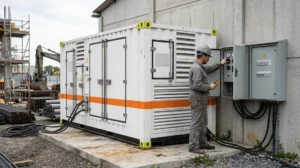
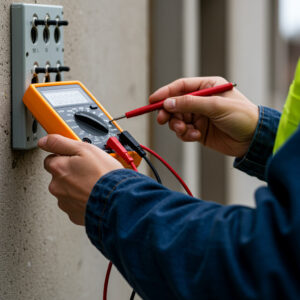
The equipment is directly connected to the electrical installation to continuously collect real-time data. With high-precision sensors, it records events such as voltage variations, current oscillations, supply interruptions, and harmonic distortions, which can compromise the performance of machines, equipment, and production processes.
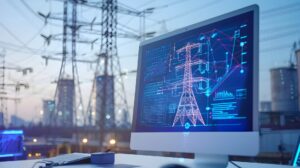
The collected data is organized into graphs, tables, and technical reports, facilitating the analysis of the electrical network conditions. Many models also offer internal storage and connectivity options, such as USB and Wi-Fi, allowing information to be exported to specialized software and monitoring the installation’s behavior over time.
This continuous monitoring provides essential information to identify the cause of electrical failures, reduce energy losses, improve operational efficiency, and support decisions on maintenance, electrical capacity expansion, or implementation of energy efficiency solutions.
What does a power analyzer do?
The energy analyzer plays an important role in energy management. It is essential to ensure the efficiency and safety of electrical systems in industrial, commercial, and even large residential environments.
Power quality monitoring
The power quality analyzer checks parameters such as voltage, current, frequency, and harmonic distortions, ensuring that the energy is within standards. This prevents equipment failures and production interruptions, directly impacting the quality of electrical energy.
Consumption measurement
Allows detailed energy measurement of specific circuits or equipment, identifying where the highest consumption occurs. This function is vital for energy efficiency programs and for reducing electricity bill costs.
Problem diagnosis
Helps identify the cause of electrical problems, such as voltage drops, overloads, and phase imbalances. With an accurate electrical diagnosis, maintenance teams can act quickly to correct the faults.
Load optimization
Analyzes the system’s load profile, allowing for energy distribution optimization and overload prevention. This functionality is important for improving equipment performance and increasing the lifespan of electrical infrastructure.
Types of energy analyzers available on the market
There are several types of energy analyzers, each suitable for specific needs. The ideal choice depends on the system’s complexity and the desired level of analysis detail, directly impacting the investment values in an energy analyzer.
Portable analyzers: are ideal for quick audits and field energy monitoring, being easy to transport and configure. Fixed models, often a power network analyzer, are permanently installed for continuous and more in-depth monitoring, providing data for long-term analysis.
Three-phase power analyzer: recommended for more robust systems, it is indispensable, offering precise measurements in three-phase systems. There are also power analyzer options available for rental, allowing you to test the equipment before purchasing or for use in specific projects.
What are the benefits of the power analyzer?
The benefits of the power analyzer are numerous and directly impact the efficiency and cost-effectiveness of operations.
- Cost reduction: by identifying waste and inefficiencies, the equipment allows for optimized consumption, leading to significant savings on the electricity bill.
- Improvement of power quality: ensures stable electrical power quality, extending the lifespan of equipment and preventing unexpected production stoppages.
- Increased safety: helps identify hazardous electrical conditions, such as overloads and imbalances, contributing to a safer work environment.
- Performance optimization: with constant energy monitoring, it is possible to adjust usage to ensure that equipment operates at maximum efficiency.
- Regulatory compliance: assists companies in meeting power quality standards and regulations, avoiding fines and penalties.
When to use a power analyzer?
The use of a power analyzer is recommended in various situations to ensure the efficiency and safety of the electrical system. The equipment becomes essential when there is a need to diagnose problems or optimize energy consumption.
It is crucial to use the equipment when noticing voltage fluctuations, power outages, or excessive equipment heating. These are indications of problems in electrical power quality that can lead to damage, interruptions, and safety risks.
Additionally, it is indispensable for energy audits, before and after the installation of new equipment, or to verify the impact of changes in the network. It is also useful for validating the efficiency of generation systems renewable energy.
When does a company need a power analyzer?
Industries, hospitals, data centers, shopping malls, and construction sites that cannot afford unscheduled downtime should monitor supply quality regularly.
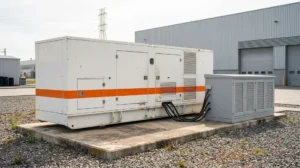
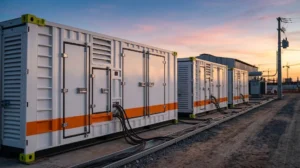
The power analyzer is especially recommended before installing a generator set, to correctly size the operation’s demand, during energy audits, and in investigations of recurring failures in network-sensitive equipment.
In addition to failure situations, many companies use the power analyzer as a preventive tool to support engineering and maintenance decisions.
Before expanding an industrial plant, installing new equipment, or implementing a power generation system, monitoring electrical parameters allows assessing the infrastructure’s capacity existing and identifying possible network limitations.
This diagnosis reduces operational risks, avoids inadequate investments, and contributes to more efficient energy planning.
Practical applications of power analyzers
One of the most common uses of the power analyzer is the identification of harmonics, which are distortions in the current or voltage waveform.
Harmonics can cause:
- Overheating of transformers and cables;
- Failures in electronic equipment;
- Increased network losses, making it essential to detect them for correction.
Other applications include:
- Detection of overvoltages and undervoltages, which can damage sensitive equipment or cause unexpected shutdowns.
The power network analyzer is also used to identify phase imbalances, which cause overload on one of the phases and efficiency losses.
In critical operations, the data collected by the analyzer also serves as a basis for decisions related to operational continuity. Various sectors use these measurements to validate electrical network performance, correctly size generator sets, and identify opportunities for improvement in energy efficiency. Thus, the equipment ceases to be just a measurement tool and starts to support the management of the company’s electrical assets.
Is it better to buy or rent a power analyzer?
For specific projects, such as an energy audit, a feasibility study, or the installation of a new generator set, renting the power analyzer is usually the most economical and safe option, eliminating costs of calibration, maintenance, and technological obsolescence of the equipment.
Renting also provides access to calibrated, updated, and ready-to-operate equipment, without the company having to worry about recurring costs of maintenance, storage, or technological replacement.
When the service is performed by a specialized partner, such as Tecnogera, the client also benefits from technical support, guidance in choosing the appropriate equipment, and greater agility to meet emergency demands or short and medium-term projects.
How to choose the ideal power analyzer for your needs?
Choosing a power analyzer goes beyond comparing technical specifications. It is important to consider the type of installation, the monitoring objectives, and the level of detail required for the analysis.
Properly sized equipment provides reliable information for decision-making, contributes to the reduction of operational costs, and increases the reliability of the electrical system over time.
1. Define your needs
Evaluate the type of electrical system (single-phase, two-phase, three-phase), the purpose of energy monitoring (diagnosis, optimization, compliance), and the desired accuracy. This will help determine whether you need a three-phase power analyzer or a more basic model.
2. Consider the features
Check the offered functionalities, such as harmonic measurement, event logging, connectivity, and analysis software. A complete power quality analyzer offers more data for a deep electrical diagnosis.
3. Evaluate the cost-benefit
Compare the power analyzer with the functionalities and durability of the equipment. Also consider the possibility of opting for the rental of a power analyzer for specific projects, which can be a more economical and safe solution.
4. Consult specialists
If you have questions, seek guidance from professionals in the field, such as the Tecnogera team, who can recommend the most suitable equipment for your profile. This ensures an assertive choice and highly specialized service.
Gain more energy autonomy with Tecnogera’s solutions!
Tecnogera offers complete energy solutions and energy security, with high-tech equipment for energy monitoring and system optimization.
Our analyzers are designed to provide the best electrical diagnosis, ensuring the quality of electrical energy you need.
With Tecnogera’s expertise, you will have access to the best equipment on the market, from the three-phase energy analyzer to customized solutions for your company.
Invest in a future with more energy efficiency and security for your equipment. Talk to our specialists and discover how Tecnogera’s solutions can transform your energy management, providing savings and high performance.
Frequently asked questions about energy analyzers
Does the energy analyzer replace the utility meter?
No. The utility meter records consumption for billing purposes, while the energy analyzer monitors supply quality — voltage, harmonics, power factor, and fault events, providing a technical diagnosis that the conventional meter does not offer.
What is the difference between single-phase and three-phase energy analyzers?
The single-phase analyzer is suitable for smaller installations with a single-phase circuit. The three-phase is used in industrial and commercial environments with higher demand, simultaneously monitoring the three phases of the electrical system, which is essential for identifying load imbalances.
How long should an analyzer be installed for a reliable diagnosis?
The recommended period varies according to the analysis objective, but it usually ranges from 7 to 15 consecutive days, ensuring the capture of consumption variations in different shifts and days of the week, resulting in a more accurate diagnosis.