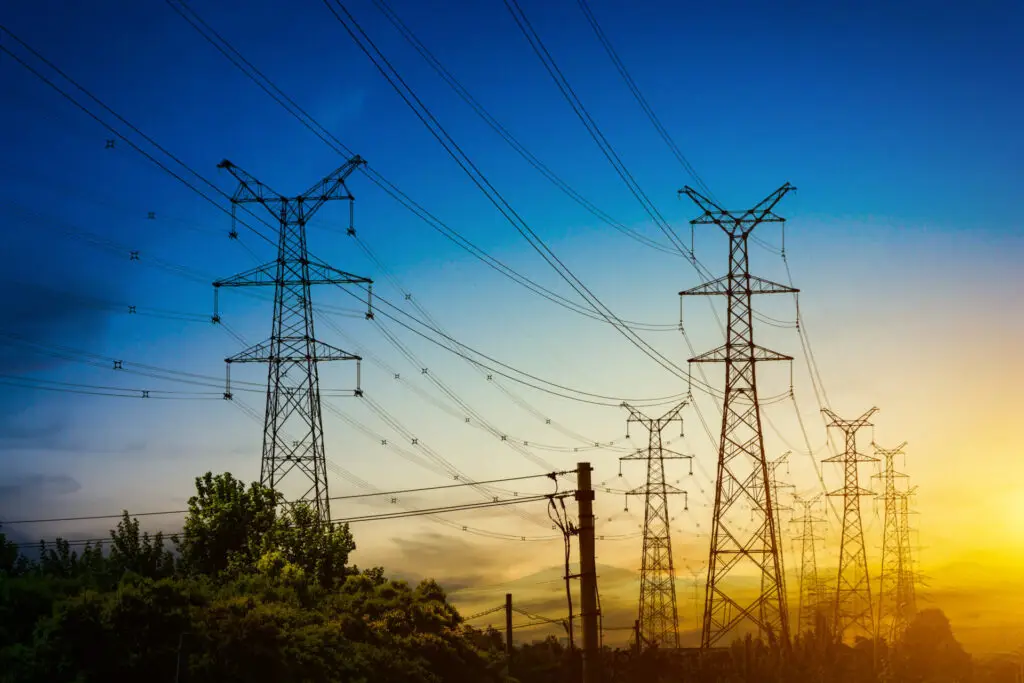
Electric power generation is a central theme for companies seeking to maintain their operations active with safety, efficiency, and predictability.
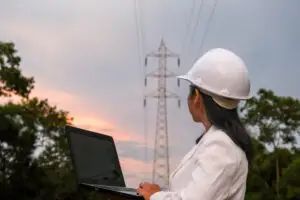
Although the Brazilian electrical system is robust and has significant advancements, there are factors that affect the energy supply, such as extreme weather events, increased demand, and unforeseen fluctuations.
These aspects show that relying solely on the conventional grid can pose risks.
Therefore, it is essential to have complementary solutions and energy planning, which will always bring more autonomy and resilience to face challenges and ensure the uninterrupted operation of business activities.
The risks of relying on the conventional power grid
The Brazilian electric sector undergoes variations and constant growth, which demands increased attention to the supply infrastructure, regulatory changes, and industry news.
It is a dynamic system subject to challenges, such as:
Interruptions due to weather events
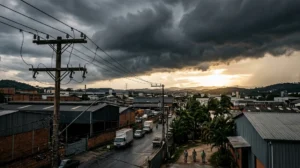
Storms, strong winds, floods, prolonged droughts, and heatwaves directly impact the stability of the conventional power grid.
Transmission and distribution lines are especially vulnerable to falling trees, flooding, and wildfires.
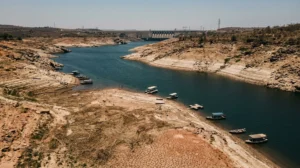
During droughts, the reduction in reservoir levels can compromise hydroelectric generation. In extreme cold or heat, the need for temperature control overloads the grid and increases the risk of blackouts.
Voltage fluctuations
Variations in supply (such as voltage spikes or drops) can damage sensitive equipment, cause failures in electronic systems, and increase maintenance costs.
Peak time costs
Depending on the tariff regime, consumption during peak hours can represent a significant expense, impacting the business’s financial planning.
Lack of predictability
Companies that rely 100% on conventional electricity generation have no control over when and how much they will pay for energy, making them more exposed to tariff adjustments and regulatory changes.
Regulatory and environmental risks
The traditional generation and distribution model still largely depends on fossil sources.
This can pose reputational and compliance risks for companies with ESG commitments or operating in international markets.
How supply failures impact business operations
Energy supply failures generate direct consequences and, often, immediate impacts on business operations. Depending on the sector, a simple power outage can paralyze production lines, interrupt essential services, or compromise systems.
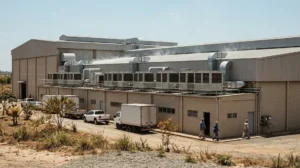
Companies such as industries, hospitals, logistics centers, and data centers, for example, are especially impacted.
Power interruptions can affect the continuity of operations, compromising essential systems and processes. In critical sectors, such as industries, hospitals, and data centers, this can result in delays, damage to sensitive equipment, and even affect the integrity of data and services.
Furthermore, it is important to consider the repercussions that can extend beyond operations, such as impacts on customer and partner trust, and brand image.
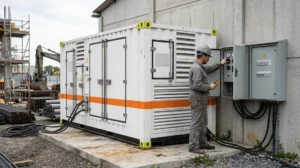
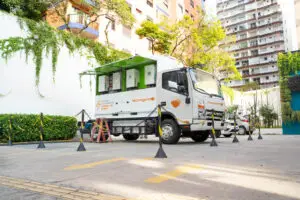
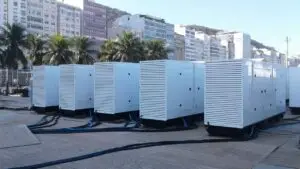
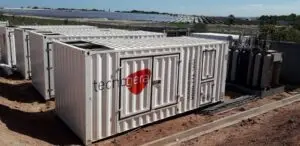
It is impossible to control the adversities of the Brazilian energy market. But it is possible to ensure an uninterrupted energy supply through backup systems, mobile substations, automation, and generator rentals.
It’s not just a technical issue, but a strategy for continuity and competitiveness.
The importance of preventive energy planning
Integrated energy planning allows businesses to better manage their resources, operate more efficiently, and build a solid foundation for future decisions.
By understanding consumption behavior, analyzing contracts, and studying supply options, it is possible to devise a plan that combines savings, predictability, and sustainability.
- Cost and waste reduction: identify consumption patterns and savings opportunities;
- Budget predictability: control expenses and avoid surprises in the energy bill;
- Operational efficiency: implement continuous improvements in processes;
- Adoption of smart strategies: seek solutions such as seasonality, free market, and use of clean energy;
- Security in decisions: rely on reliable data to make more accurate decisions.
Tecnogera: trust and technology to keep your business running
With 18 years of experience in the energy sector, Tecnogera is a reference in complete solutions to ensure the uninterrupted operation of businesses.
Excelling in temporary and permanent generation projects, we swiftly meet demands of different sizes and complexities, in any region of the country.
Our cases range from large-scale events to support in climate crises, and we stand out for our ability to act strategically and preventively.
All this with 24/7 service, ensuring continuous support to avoid downtime, reduce risks, and ensure the continuity of your business even in the face of unforeseen events.
We are much more than a generator rental company: Tecnogera delivers trust, efficiency, and the peace of mind knowing that your operation will always be active, from planning to execution.