The circuit breaker ensures the safety and proper operation of electrical equipment
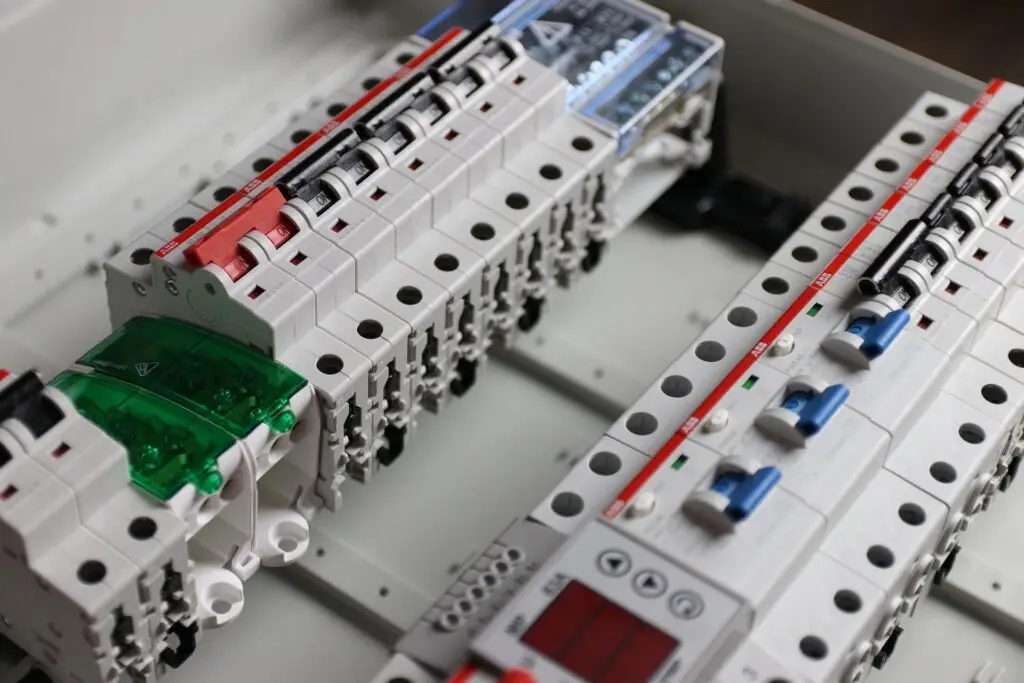
Having a circuit breaker in any type of electrical installation is mandatory and provides much more safety and protection against any type of fault, overload, or short circuit in the local systems. This electromechanical device protects, monitors, controls the electrical current, and interrupts the supply if any value exceeds what is considered appropriate.
There are also different types of circuit breakers that vary in their application and must be correctly sized by a technician or professional in the field to ensure system efficiency. Thus, it is important that this device operates within quality standards to ensure the safety of the electrical energy used in the environment.
Want to know more about what a circuit breaker is used for beyond its characteristics and applications? Keep following our post and find out!
What is a circuit breaker?
Circuit breakers are, in a direct way, devices installed in the local electrical system that act to prevent short circuits and overloads in the supply. Thus, when it detects any situation outside normal operating conditions, such as an excess of electrical current, it cuts the passage in the circuit.
The history of the circuit breaker is directly linked to the evolution of electrical equipment, especially the fuse. This device can also play a role in controlling the electrical quality of the location. When any type of overload occurred, the fuse would blow and be replaced – making its use more expensive.
This point completely influenced the migration from using fuses to circuit breakers, as the latter, upon detecting a current that exceeds its limit, trips and can be manually reset. This detail also allows the circuit breaker to be known as a switching device, functioning like normal switches that can interrupt the flow of electricity and be activated at specific times.
Circuit breaker as a safety device
As mentioned before, the circuit breaker is a safety device that acts directly when there is any type of overload in the electrical current of the system. Even though it may seem unlikely, it can lead to serious problems for the location, such as:
- The burning or destruction of electrical and electronic devices that cannot withstand the current spike reached by the system. The circuit breaker acts as a filter to ensure these devices function correctly;
- And in more extreme cases, even fires in different locations due to overload or short circuit, which is considered a common cause of residential fires.
For proper functioning, it is necessary to correctly size the type and characteristics of the circuit breakers used in the local electrical system, considering the load used and any type of consumption variation. The correct circuit breakers must be applied, paying close attention to adverse situations and ensuring the safety of the location.
Types of circuit breakers available for application
There are several different types of circuit breakers for various application scenarios, ranging from small ones recommended for domestic and residential use to larger ones that protect the electrical installation of high-voltage circuits. Great examples are the circuit breakers that power large cities and protect the entire local distribution system.
These systems generally power large cities and are essential for maintaining the quality of electrical energy that reaches consumers, working in conjunction with smaller circuit breakers installed within residences.
High-voltage circuit breaker
Working with high voltage requires specific equipment, and this type of circuit breaker is designed for this scenario, with special mechanisms for interrupting the electrical arc resulting from pole opening. The values reached for large powers can reach up to 100kA, making it essential for the circuit breaker to isolate and withstand the system’s voltages.
Magnetic circuit breaker
This type of circuit breaker is used to protect equipment against any type of anomaly, such as overload or short circuit in the electrical system. It operates based on the laws of electromagnetism, with the intensity of the current passing through the coils’ turns varying the equipment’s magnetic field. This allows it to shift its core and perform mechanical control of the circuit, protecting it.
The magnetic circuit breaker is recommended when the system requires precision control in its protection and can have either an instant action with a fast coil or contain a control fluid for controlled trips.
Thermal circuit breaker
The thermal circuit breaker uses the action of expansion and deformation of metal plates, caused by heating, to control overload or short circuit in the system. Through the Joule effect, a simple and robust electromechanical system is achieved, delivering an acceptable level of precision to protect small systems from overheating and potential fires caused by voltage fluctuations or other risk situations.
Thermomagnetic circuit breaker
This type of circuit breaker is widely used in both residential and commercial installations due to its robustness and ease of handling and application. It is also considered the combination of the thermal model with the magnetic model, delivering a good level of protection. Additionally, it has three main functions:
- The system’s switching capability, with voluntary opening and closing of the circuit, allowing this operation to be performed easily;
- Protection against short circuits, performed by the magnetic actuator that opens the circuit breaker instantly if an increase in the system’s electrical current values is detected;
- Protection against overload, performed by the heat-sensitive bimetallic actuator that opens the system when the electrical current remains above the device’s nominal current for a certain period.
The application characteristics of this circuit breaker are provided by manufacturers, with nominal current, nominal voltage, number of poles, and trip curve being essential information for its correct sizing.
Learn more!
Understanding what a circuit breaker is and its applications is one of the best ways to ensure the safety and quality of the electrical system used in specific locations. This device allows residential, commercial, industrial, and even high-voltage equipment to be operated according to technical standards and optimal usage conditions.