Electrical overloads are not just a domestic risk: in commercial and industrial environments, the use of extensions and makeshift connections to meet temporary demands, such as events, construction, or temporary expansions, is one of the main causes of short circuits and unscheduled shutdowns.
What causes an electrical overload?
Electrical overload occurs when the current passing through a circuit exceeds the capacity supported by the installation.
In operational and corporate environments, this usually happens due to the connection of multiple high-power devices at the same distribution point or the lack of adequate infrastructure sizing for the actual demands of the activity.
Signs of overload in industrial environments
Identifying the first signs of overload is essential to prevent more impactful failures. Among the main signs are:
- excessive heating of cables, connectors, and circuit breakers;
- frequent tripping of protection devices;
- voltage fluctuations that affect sensitive equipment;
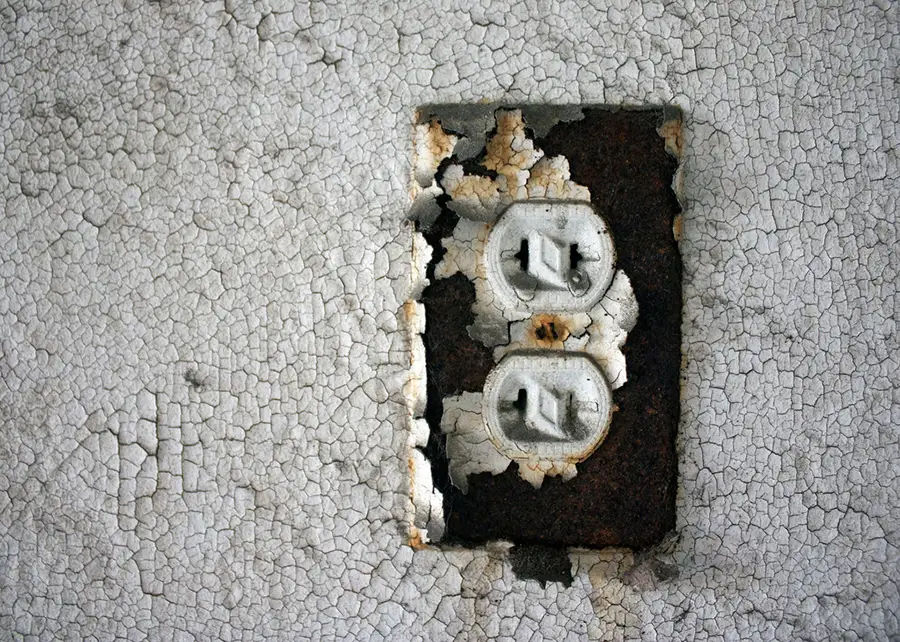
- darkening or deformation of outlets and connections;
- performance drops or unexpected machine shutdowns.
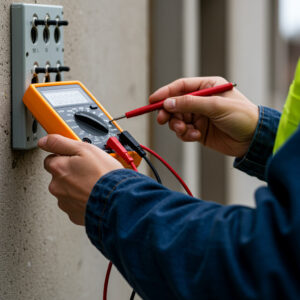
When this becomes recurrent, it is advisable to conduct a power quality analysis. This diagnosis allows identifying the source of the overload, assessing the load distribution, and defining the most appropriate corrective actions to ensure the safety and continuity of the operation.
What are the risks of improvised connections?
The lack of properly sized power points in industrial plants or construction sites often leads to the mistake of improvisation.
The indiscriminate use of adapters, common extensions, or power strips without proper specification to interconnect heavy loads is one of the main causes of incidents.
This compromises network stability, potentially resulting in short circuits, severe damage to high-value assets, electric shocks, and, in extreme cases, large-scale fires..
How to avoid electrical overload?
Prevention begins with the correct sizing of the electrical installation. Each circuit must be designed considering the equipment’s power, the expected current, and the operating conditions.
Among the main best practices are:
- Load distribution: distribute high-power equipment evenly across different circuits.
- Restricted use of adapters: limit the use of power strips exclusively for very low consumption devices (such as office and IT equipment). Heavy assets and industrial machinery should have fully dedicated circuits and protections.
- Use correctly specified protection devices: the correct selection and sizing of circuit breakers, fuses, and overload relays are essential. These components must be perfectly calibrated according to the conductors’ capacity and the electrical loads’ demand, acting quickly and safely before any anomaly causes damage to the assets.
- Conduct preventive inspections and maintenance: natural wear, loose connections, and component aging are major villains of electrical infrastructure. Regular preventive maintenance schedules help identify and correct potential failure and heating points before they turn into an overload or incident.
- Continuously monitor power quality: in highly complex sectors (such as hospitals, data centers, and large industries), real-time monitoring through power analyzers is indispensable. This technology allows tracking of quantities such as power factor, harmonics, and phase imbalances, providing predictive data for quick decision-making.
These measures reduce risks, increase the reliability of the electrical system, and contribute to operational continuity.
The solution is not to improvise, it is to size
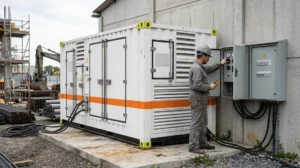
For temporary electrical demands, such as maintenance shutdowns, factory expansions, infrastructure works, or the holding of large events, the correct response should never be improvisation.
The best strategy is to hire tailor-made temporary power solutions for the real need of each project.
A well-planned project, with the correct load distribution, sized protection, and the support of leaders in power generation solutions, eliminates the risk of interruptions and ensures full compliance with technical safety standards.
Prevention through electrical projects and inspections
Definitive safety against electrical overloads begins long before the activation of equipment; it starts at the planning stage. Robust electrical projects are responsible for properly dividing circuits and precisely defining the nominal intensity of circuit breakers for each type of application (lighting, power, air conditioning, among others).
As a national reference and leader in engineering and temporary power solutions , Tecnogera goes beyond asset rental:
- Customized projects: we develop tailor-made solutions for the specific needs of your industrial plant, work, or event , ensuring perfect sizing and maximum operational efficiency.
- Specialized technical team: our engineering team conducts in-depth power quality analyses to diagnose anomalies and structure electrical systems that are fully safe and protected against short circuits and overloads.
- Readiness and reliability: we ensure that your operation maintains continuity with technical support and monitoring 24 hours a day, 7 days a week.
To ensure that your infrastructure operates at its maximum capacity and with zero risk, rely on the proven experience of those who deliver complete projects with safety first.
Avoid overloads in your operation with a properly sized power project. Contact Tecnogera.