

What are special electrical cables and what are they used for?
Choosing the right electrical cables is crucial to avoid disruptions and short circuits. Characteristics like electrical resistance and flexibility vary with nominal section: the larger the size, the greater the current resistance. Installations range from simple wires to special cables for areas requiring higher resistance, such as industries, automation lines, and port equipment. Made from copper, nickel-plated copper, or aluminum, they must comply with ABNT quality and safety standards.
How does a load bank for UPS work?

Anyone working in an office or owning a computer at home has likely heard of a UPS, an uninterruptible power supply that regulates the voltage and purity of the power reaching computers and other electronic devices and industrial equipment connected to it. The load bank for UPS is a system that allows the coupling of resistive electrical loads to power generators or battery banks, ensuring continuous power supply and preventing failures.
How Electrical Power Transmission Lines Work
The electrical power transmission system transports electricity from power plants to end consumers through high-voltage lines. In Brazil, 70% of the energy comes from hydroelectric plants like Itaipu. The system has three main components: towers that support the cables, insulators that prevent losses, and substations that adjust the voltage for safe use.
Electrical Conductors: What They Are, Types, and Applications

Electrical cables are essential in both commercial and residential installations within the construction industry. Choosing the right type is crucial, as electrical resistance and flexibility vary according to the nominal cross-section expressed in millimeters. The larger the nominal cross-section, the greater the resistance to electrical current. Types include solid wires made from solid copper forming a conductor, cables with twisted copper wires for greater flexibility, and flexible cables with thinner wires for installations with bends.
Overloaded outlets: how to prevent short circuits?
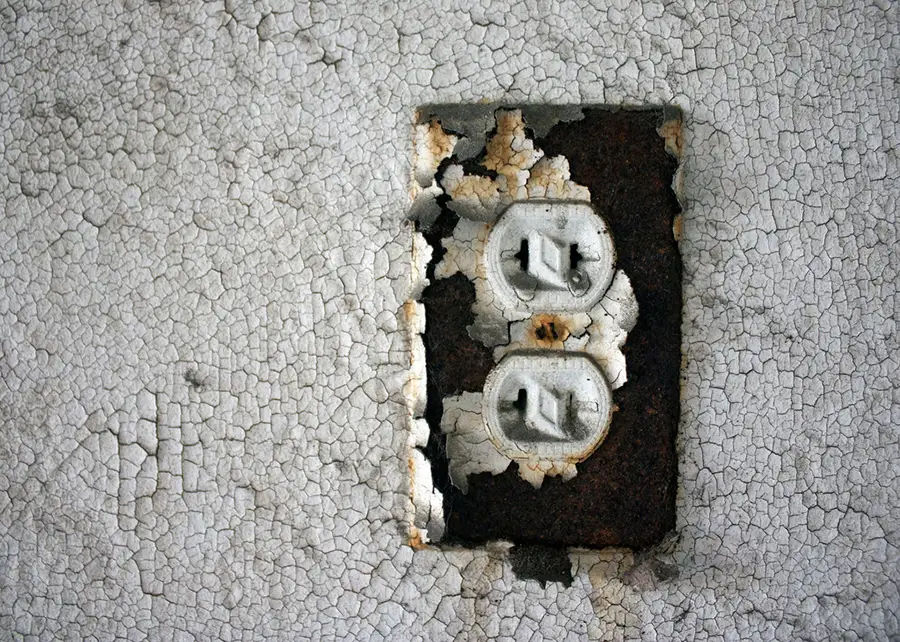
Power strips can cause overloads when current exceeds outlet capacity (10-20 amperes). Signs of trouble include heating, discoloration of outlets, and circuit breaker trips. The solution is to distribute devices across different outlets or install new ones. Power strips should only be used for low-power equipment like lamps and TVs, never for refrigerators, microwaves, or air conditioners. The best prevention is an electrical design…
Electrical Short Circuit

An electrical short circuit occurs when an excessive current flows through a circuit not designed to handle such a load. It’s a leading cause of fires in poorly constructed or maintained installations. Main causes: improper sizing and exposed wires. Prevention: install fuses and circuit breakers that detect faults and act as automatic switches. Avoid overloading outlets and perform regular maintenance. Warning signs: burning smell, outlets with black marks, exposed wires, frequently burning out bulbs, sudden power interruptions. Specialized technicians identify overloaded points and provide appropriate solutions.
Understand What Electrical Resistance Is
Electrical resistance is the ability of a body to oppose the flow of electric current. When current flows through a conductor, it creates a high number of free electrons that collide with each other and with the metal’s atoms, hindering movement. Influencing factors include the conductor’s resistivity, length, cross-sectional area, production material, and operating temperature. The calculation uses Ohm’s Second Law, considering resistivity, length, and area. The Joule effect converts electrical energy into thermal energy when electrons cannot overcome the resistance, applied in showers, dryers, and other appliances.
What are electrical conductors and insulators?
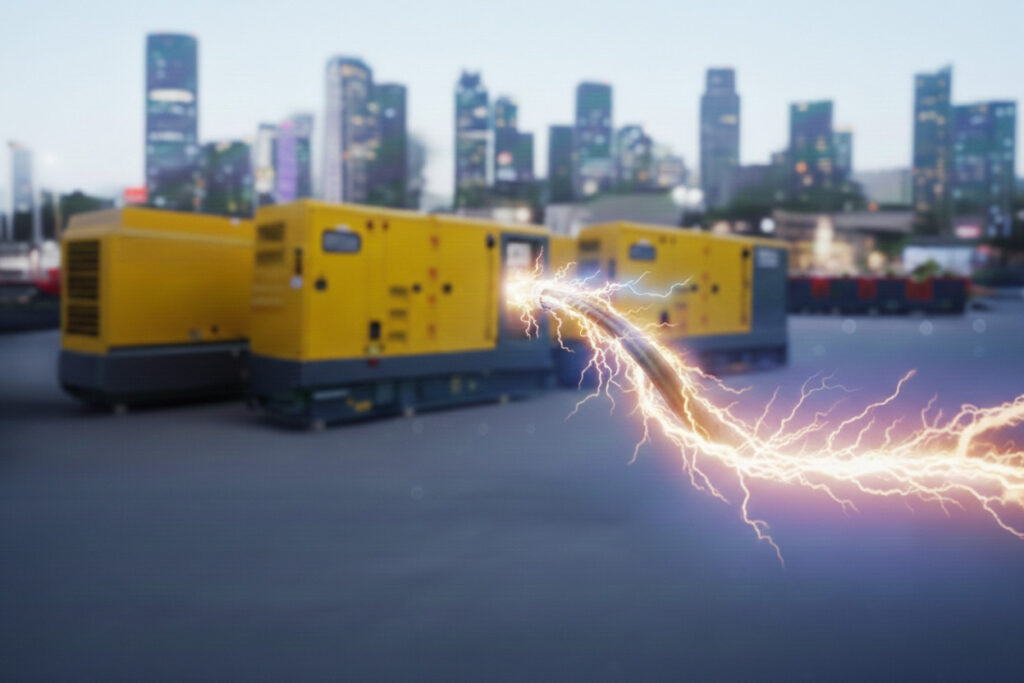
All matter is composed of atoms, which consist of small particles known as neutrons (which have no charge), protons (positively charged particles), and electrons (negatively charged particles). These particles are responsible for carrying electric current through materials.
Types of Electrical Transformers: Discover What They Are

An electrical power transformer receives high-voltage energy unsuitable for use and reduces it to a level usable in household appliances and lighting. There are various types classified by purpose, core material, or number of phases, including current, power, distribution, and force transformers. Power transformers step up or step down voltage and are divided into force for utilities and substations, and distribution for end consumers. Autotransformers convert between 110-240V.
Understand What a Circuit Breaker Is and Its Purpose

A circuit breaker is an electromechanical device that protects electrical installations from overloads and short circuits. It monitors electrical current, interrupting the flow when there are spikes above the appropriate level. It prevents accidents such as equipment damage and fires. Main types include: high voltage (large capacities up to 100A), magnetic (precise protection against anomalies), thermal (interrupts due to high temperature), and thermomagnetic (residential/commercial). Essential for electrical safety in various applications from domestic to industrial.