

See how power generator sizing is done
Proper generator sizing is crucial to ensure adequate operation during electrical system failures. The process considers electrical load, installation environment, temperature, pollution, and altitude. The power factor is calculated by considering the difference between apparent power (Volt-Ampere) and active power (Watt), as well as alternator efficiency losses and the engine’s mechanical power. The sizing must adhere to an 8-hour operation and 4-hour rest regime.
What are the differences between electric motors and generators?
Electric motors and generators operate similarly through electromagnetic induction, but they serve opposite functions. The generator converts mechanical energy into electricity by applying force to spin the rotor and create a magnetic field. The electric motor does the reverse process, transforming electrical energy into mechanical energy through fields…
How does a magnetic circuit breaker work?

The magnetic circuit breaker is the electromechanical device responsible for monitoring the electrical current and immediately interrupting the flow in cases of short circuit, protecting equipment and people. In operations that rely on temporary power generation, correctly sizing electrical protection is an essential part of the project, not a detail.
Do you know what power generators are?
An electric generator converts mechanical, chemical, solar, or other forms of energy into electrical energy. Composed of two poles (positive and negative), it maintains a potential difference, supplying energy to electrical loads. The simplest type is the dynamo, which converts mechanical energy using a magnet on a rotating shaft to create a magnetic field that generates electric current. Power generator sets, on the other hand, are large-scale equipment consisting of an engine, generator, and fuel tank, recommended for places that cannot afford power outages like hospitals, laboratories, and supermarkets.
What are the differences between an ideal and a real power generator?
A power generator doesn’t create energy but converts other forms (mechanical or chemical) into electrical energy, increasing the potential energy of the loads in the circuit. An ideal generator would have 100% energy efficiency, but in practice, due to electrical resistance, there are always losses. In an ideal generator, the voltage remains constant, while in a real one, it varies with the electrical current.
What is photovoltaic energy?
Photovoltaic energy is a sustainable alternative source that converts sunlight into electricity using panels made of gallium arsenide and crystalline silicon. It is completely renewable and applicable in commercial, residential, and industrial settings, offering a clean option with no waste emissions and costs limited to the installation of solar panels.
How does a thermomagnetic circuit breaker work?
The thermomagnetic circuit breaker monitors and controls electrical current, interrupting the flow when it detects spikes above the appropriate level. It protects installations from short circuits and overloads. When multiple devices are turned on simultaneously, the current intensity increases, potentially causing damage. The circuit breaker cuts off the supply upon detecting an overload, preventing further damage. It replaced the old fuses, offering greater safety and convenience.
Semiconductors: What They Are, Types, and Applications
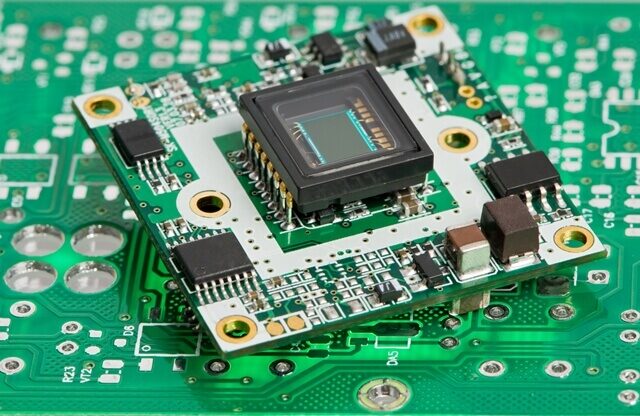
Semiconductor materials have an intermediate level of electrical conductivity between conductors and insulators. Silicon and germanium are the most common, with silicon being more widely used due to its more effective chemical bonding. Gallium arsenide…
How can an electric meter help with savings?
The electric meter, commonly known as the power meter, measures and controls energy consumption in homes, businesses, and industries. It features a metal disc that spins according to the amount of energy used, displaying data in kWh. It can be an excellent ally for saving energy by providing real-time consumption information, allowing you to identify excessive usage and detect electrical current leaks that increase the electricity bill and can damage equipment.
Power Generator: How It Works and a Guide to Choosing the Right One

An alternating current generator converts mechanical energy into electrical energy based on the induction of electromotive force. The simplest model consists of a coil that rotates through a turbine, generating electric current connected to rings that transmit the energy. It differs from a direct current generator by achieving higher voltage and range, although it requires transformation to lower voltages (110V or 220V) for residential use.