There are numerous types of generators, the simplest being known as the dynamo. Learn more about generators and how they work.
What is an electric generator?
An electric generator is a device that transforms mechanical, chemical, solar, or any other type of energy into electrical energy. This device is made up of two poles (positive and negative) and works to maintain a potential difference between these two points.
The positive pole is the source with higher electrical potential, while the negative pole has lower electrical potential. These poles form a circuit where the generator provides electrical potential energy to the loads, which move from the negative poles to the positive pole.
Types of generators
There are various types of electric generators. The simplest and most well-known type is the dynamo, which converts mechanical energy into electrical energy. The dynamo consists of a magnet fixed to a movable shaft that, when rotated, creates a magnetic field that generates electric current.
Power generator sets
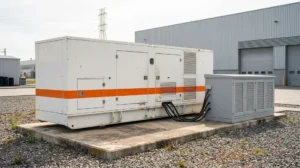
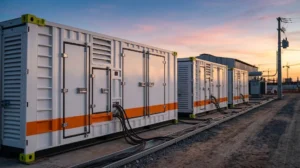
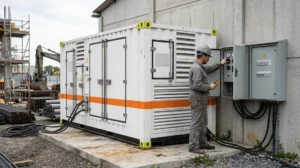
A power generator set is large-scale equipment composed of a generator, an engine responsible for driving the device, and a fuel tank to power the engine.
This machine is used to meet the energy needs of a specific location, either as a primary or supplementary source. The use of generator sets is recommended for environments that cannot experience power outages, even for a few minutes, such as hospitals, cold storage facilities, research laboratories, supermarkets, and convention centers, among others. Additionally, they come in various power capacities to suit the needs of each business.