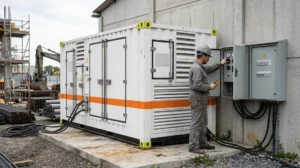
An electric power generator converts mechanical energy into electrical energy through electromagnetic induction, discovered by Michael Faraday, a British physicist and chemist.
This equipment is essential for ensuring continuous electricity supply, especially during main grid failures, securing operations for businesses and homes.
How does a power generator work?
The operation of an electric power generator is based on Faraday’s law of electromagnetic induction. When an electrical conductor moves within a magnetic field, or vice versa, an electric current is induced. This is how alternating current generators and other types transform mechanical energy into electrical energy.
Basic principle: from mechanical to electrical energy
The conversion of mechanical energy into electrical energy occurs in a sequential process:
- Source of mechanical energy: an engine (diesel, gasoline, gas, etc.) or a turbine (hydraulic, wind) provides the rotational force.
- Rotor movement: this force causes the rotor, a set of coils or magnets, to spin within the stator.
- Magnetic field and induction: the rotor’s rotation generates a moving magnetic field, inducing an electric current in the stator’s fixed coils.
- Generation of alternating current: the continuous movement results in the generation of alternating current, which can be used to power equipment.
Main components of an electric power generator
A power generator consists of essential parts for its operation. The stator and generator rotor are the main ones.
- Stator: fixed part with the coils
- Rotor: moving part, responsible for creating the rotating magnetic field
In addition, there is the engine that provides mechanical energy, the fuel system, the voltage regulator, and the cooling system.
These components work together to ensure efficient and safe generation of electric current.
What are the types of electric power generators and their applications?
The types of electric generators vary according to the energy source and application. The choice depends on the need for power, duration, and mobility, such as for emergency use or as a primary source.
Portable gasoline generators
Ideal for residential use, small businesses, or leisure, gasoline generators are compact and easy to transport. They are suitable for smaller energy demands and intermittent use, offering convenience in specific situations.
Diesel generators
Diesel generators are robust and efficient, perfect for industries, hospitals, events, and companies that require more power and operating time.
Tecnogera offers models from 10 KVA to 1500 KVA, ideal for continuous and high-demand operations.
Industrial generators
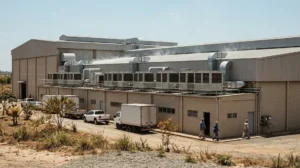
Designed to meet large complexes, such as mining operations, data centers, and large industries, industrial generators ensure large-scale energy security.
These are high-power solutions, often customized, that ensure the continuity of the most critical operations.
What is the power of a power generator?
The power of a generator is measured in kilovolt-amperes (KVA) and indicates the equipment’s capacity to supply energy. It is a key factor in choosing the right model, as inadequate power can compromise the operation of devices and system efficiency.
To meet the demands of different customer profiles, Tecnogera offers generators with power ranging from 10 KVA to 1500 KVA.
Which electric power generator to use?
To choose a power generator, it is necessary to evaluate the energy demand, usage time, and environment. The greater the energy need, the higher the generator’s power should be. For example, a pharmacy would require a generator with less power than what is recommended for a cold storage facility.
By opting to rent generators, customers have access to specific equipment sized by specialists, ensuring the ideal solution without worrying about maintenance and initial investment.
Gasoline vs diesel power generator: which is better?
The difference between gasoline and diesel generators mainly lies in application and cost-effectiveness. Gasoline generators are lighter and quieter, ideal for occasional use and lower demand.
Diesel generators, on the other hand, are more economical for long periods of operation and higher power, making them a frequent choice for commercial and industrial use.
There is no better or worse option, but rather the recommendation of each type of generator according to the need and characteristic of the operation.
Portable vs stationary generator: which to choose?
Portable generators are excellent for mobility and occasional use, such as on construction sites or smaller events.
Stationary generators, on the other hand, are permanently installed and sized to provide continuous power to large structures, being the solution for energy security for industries and hospitals.
Where to use a power generator?
Electric current generators are versatile and applied in various sectors. Oil & gas companies, mining, agribusiness, retail, and data centers use these devices to maintain their operations.
Additionally, they are indispensable in hospitals, events, and construction, where energy assurance is crucial.
What is the best power generator?
The best power generator is the one that perfectly meets your needs, and Tecnogera stands out by offering the most suitable and modern solutions on the market.
With a diverse fleet and specialized teams, we guarantee customized projects and high performance. Our generators, with power ranging from 10 KVA to 1500 KVA, are a benchmark in energy security and efficiency.
How long can a power generator run?
The runtime of a generator varies according to the model and fuel tank capacity.
Many industrial generators are designed for continuous operation over long periods, especially when connected to an automatic refueling system.
Where to rent a power generator?
Renting a generator is a smart and economical solution. Tecnogera is a specialist in power generator rental, offering technical support, maintenance, and remote monitoring.
Our customized solutions and 24×7 service ensure your company has the energy it needs, when it needs it.
How long does a power generator last?
The lifespan of a power generator can be many years, especially with proper maintenance.
Tecnogera ensures the quality of its fleet through rigorous preventive and corrective maintenance, ensuring that high-performance equipment is always ready for use, extending its durability and efficiency.
Difference between nominal power and maximum power of a generator
Nominal power refers to the continuous and safe energy supply capacity of a generator. Maximum power (or peak power) is the capacity the generator can deliver for a short period, usually to meet motor start-up demands.
To size a system, we always consider nominal power to ensure equipment stability and longevity.
What are the ABNT standards for power generators?
The Brazilian Association of Technical Standards (ABNT) establishes standards such as NBR 5410 (low voltage electrical installations) and NBR IEC 60034 (rotating electrical machines) for electric power generators.
These standards ensure the safety, efficiency, and compliance of equipment and their installations.
Myths and realities about electric generators
A common myth is that power generators are noisy and polluting. The reality is that, with technological advances, current models are quieter, more efficient, and offer biodiesel or gas options, significantly reducing environmental impact.
Another myth is that they are only for emergencies; in fact, they are increasingly used for cost optimization and as a primary energy source.
Rent the best power generator for your project at Tecnogera!
Tecnogera is your ideal partner in energy solutions, offering the most modern and efficient alternating current generators available.
With specialized 24×7 service and a top-notch fleet, we deliver tailor-made projects, from portable electric current generators to powerful industrial systems, ensuring energy security and the continuity of your operations with the best cost-benefit in the market.